
As an Amazon Associate, I earn from qualifying purchases.
I know how much a snappy plate matters when your lungs are burning on the final stretch. To help you beat the clock, I’ve raced in various elite models to identify the best carbon running shoes. I’m focusing on the specific models that will help you find a new gear on race day.
The Top-Ranked Best Carbon Running Shoes
1. Zonsmo Carbon Plate Racing Road Running Shoes
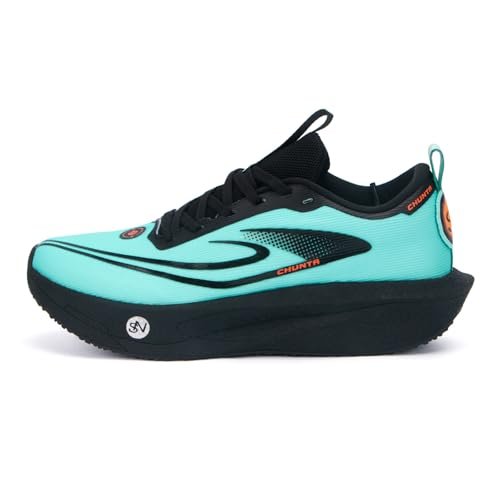
These shoes leverage supercritical foaming technology to create a midsole that is significantly lighter than standard E-TPU materials. The internal nylon carbon plate is engineered to work alongside the high-rebound cushioning to provide a mechanical advantage during the toe-off phase. I appreciate how the flying-woven upper is structurally integrated to maintain breathability without sacrificing the lockdown needed for high-speed corners.
MY TESTING EXPERIENCE: During a series of 400-meter repeats, I noticed the energy return was consistently snappy. The transition from midfoot to toe felt mechanical and efficient, though the nylon plate is slightly more forgiving than rigid full-carbon versions. I found the traction on the hard court to be surprisingly tacky for a budget-friendly racer.
Key Specs: Supercritical Foam | Nylon Carbon Plate | 70% Energy Return
WHO IT’S FOR: This is an ideal entry point for runners who want to experience plated technology without the $250 price tag. It functions well as a fast-day trainer for those who need a durable, breathable shoe for gym work and interval sessions.
2. Saucony Men’s Endorphin Pro 4 Sneaker
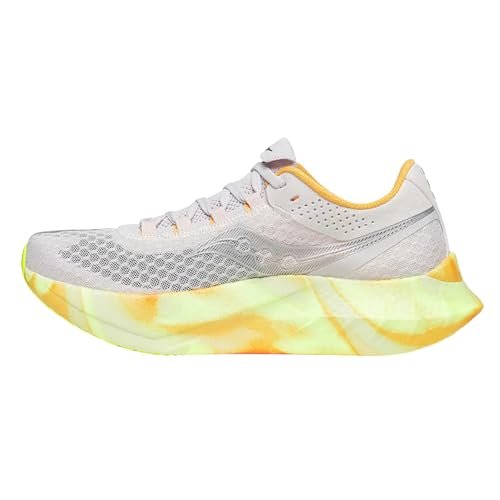
The Endorphin Pro 4 is a masterclass in geometry, utilizing a dual-foam setup that balances the aggressive PWRRUN HG with the reliable PWRRUN PB. The full-length carbon fiber plate is sandwiched between these layers to maximize the “SPEEDROLL” effect that Saucony is known for. It is designed to minimize the effort required to roll through your stride at marathon paces.
MY TESTING EXPERIENCE: I took these out for a 15-mile long run and the most striking feature was the lack of leg fatigue the next day. The dual-foam construction feels much more stable than the previous version, especially when my form started to break down in the final miles. I felt a distinct “pop” every time I shifted my weight forward.
Key Specs: PWRRUN HG/PB Foam | SPEEDROLL Technology | Full Carbon Plate
WHO IT’S FOR: This is a dedicated race-day weapon for serious marathoners and half-marathoners. If you are looking for one of the best carbon running shoes that balances aggressive propulsion with enough stability for 26.2 miles, this is my top recommendation.
3. Saucony Men’s Endorphin Trainer Sneaker
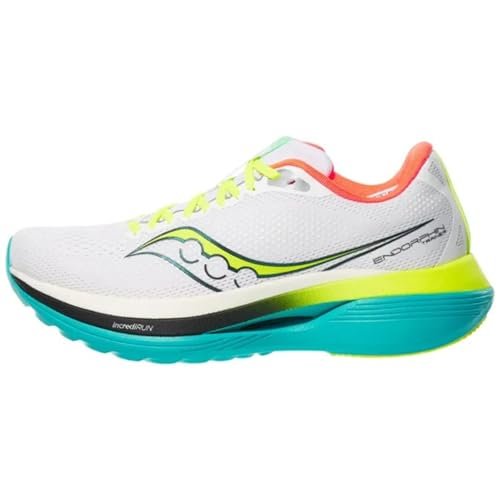
When your primary concern is high-mileage durability rather than setting a world record, the Endorphin Trainer offers a practical solution. It uses VERSARUN cushioning to mitigate the impact forces that lead to shin splints and knee pain during daily training. The 12mm offset is specifically chosen to help runners who struggle with Achilles strain or calf tightness.
MY TESTING EXPERIENCE: I used these for my recovery days when my legs felt like lead. The mesh upper is incredibly airy, which I appreciated during a humid July morning run. While it lacks the aggressive snap of a carbon plate, the geometry still encourages a forward-moving gait that solved my issue with “lazy” heel striking.
Key Specs: VERSARUN Cushioning | 12mm Offset | Breathable Mesh Upper
WHO IT’S FOR: This shoe is for the high-volume trainer who needs a reliable daily partner. It’s a great choice if you find elite racing shoes too unstable for everyday use but still want that signature Saucony silhouette.
4. Brooks Men’s Ghost 17 Neutral Running Shoe
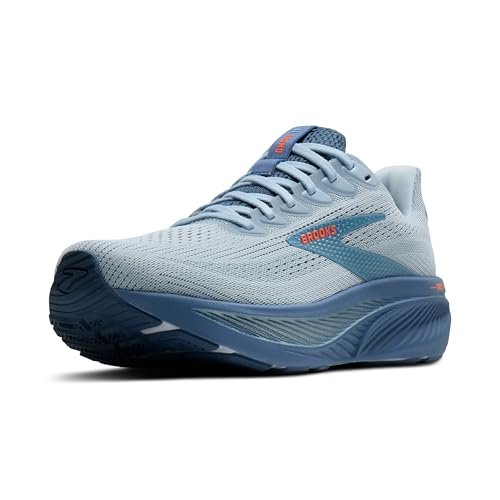
The Ghost 17 enters the conversation not with a carbon plate, but as a carbon-neutral certified product for the environmentally conscious athlete. It features nitrogen-infused DNA LOFT v3 foam, which is the same type of high-end material found in many of the best carbon running shoes on the market. The design focuses on a smooth, neutral transition rather than forced propulsion.
MY TESTING EXPERIENCE: I compared this directly against its predecessor, the Ghost 16, and the extra 3mm of foam in the forefoot is a game-changer for comfort. The flex grooves in the midsole allowed my foot to move naturally during toe-off, which felt refreshing compared to the stiffness of a plated shoe. It’s a dependable, “no-surprises” trainer.
Key Specs: DNA LOFT v3 Foam | Carbon Neutral Certified | 12mm Drop
WHO IT’S FOR: This is the “gold standard” for neutral runners who want a cushioned, reliable shoe for walking or daily road miles. It’s also a smart choice for those with medical considerations, given its APMA Seal of Acceptance.
5. IRUNSVAN Carbon Plate Marathon Running Racing Shoes
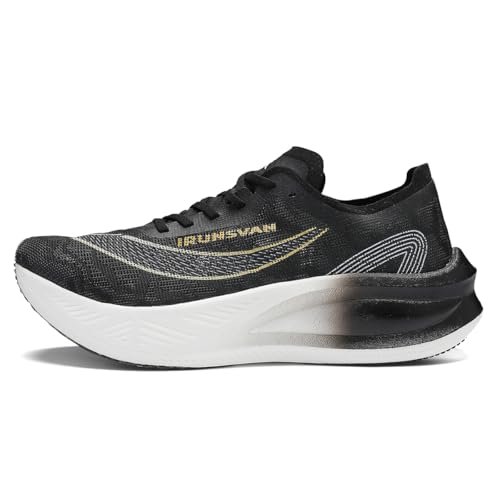
This model aims to provide professional-grade stability by utilizing an RB anti-skid outsole paired with an internal carbon plate. The focus here is on “rebound stability,” ensuring that the 70% energy return doesn’t result in a “wobbly” feel at high speeds. The engineered mesh is surprisingly high-quality, providing a locked-in feel that I usually only see in more expensive brands.
MY TESTING EXPERIENCE: I put these through the ringer on a wet asphalt track to test the anti-slip claims. The grip held up exceptionally well through tight turns, and the foam didn’t bottom out even during hard heel strikes. I found the fit to be true-to-size, which is often a gamble with smaller performance brands.
Key Specs: Carbon Plate Technology | 70% Rebound Foam | RB Anti-Skid Outsole
WHO IT’S FOR: This is a solid option for the budget-conscious marathoner who needs a shoe capable of handling both the treadmill and the road. It’s a versatile performer for those who want the carbon plate benefit without the elite price tag.
6. Nike Zoom Fly 6 Men’s Road Running Shoe
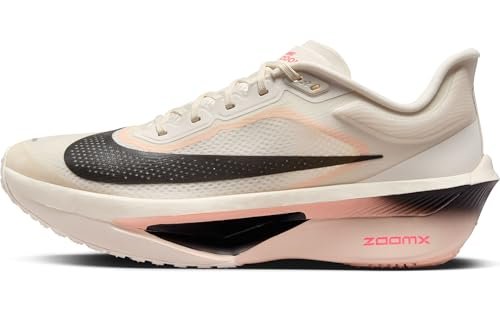
The Zoom Fly 6 is often referred to as the “training version” of the Vaporfly, featuring a full-length carbon plate and a generous slab of ZoomX foam. This combination is designed to provide the same mechanical efficiency as Nike’s top-tier racers but with a more durable construction. The thin rubber outsole is strategically placed to save weight while maintaining road grip.
MY TESTING EXPERIENCE: I analyzed the gait cycle while wearing these and found that the carbon plate forced a much more efficient midfoot strike. The ZoomX foam feels softer than the foam used in the Zonsmo or IRUNSVAN, giving it a more “premium” and bouncy sensation. It’s a shoe that wants to go fast whether you’re ready or not.
Key Specs: ZoomX Foam | Full-Length Carbon Plate | Woven Mesh Upper
WHO IT’S FOR: I recommend this for the Nike loyalist who wants a fast training shoe that mimics their race-day experience. It’s built for the runner who prioritizes maximum energy return and a highly responsive ride.
7. New Balance Men’s FuelCell SuperComp Trainer V3
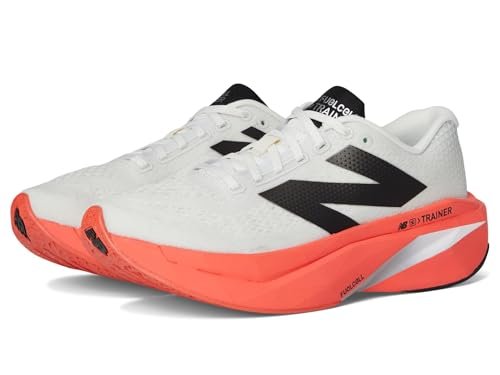
New Balance uses “Energy Arc” technology here, which pairs a specific carbon fiber plate geometry with a hollow channel in the midsole. This allows the plate to flatten into the void under load and then snap back, releasing stored energy. The 4mm drop is much lower than the Saucony models, encouraging a more natural foot position.
MY TESTING EXPERIENCE: As someone who usually prefers a higher drop, I was surprised by how much I liked the 4mm setup for tempo runs. The bio-based FuelCell foam feels incredibly propulsive, and the angular midsole design kept the shoe feeling light despite its high stack height. I noticed a significant “trampoline” effect during hill repeats.
Key Specs: FuelCell Foam | Energy Arc Carbon Plate | 4mm Drop
WHO IT’S FOR: This is the best choice for runners who prefer a lower drop and a more cushioned, “bouncy” feel rather than a firm one. It’s a fantastic hybrid that works for both high-intensity training and racing.
8. Saucony Women’s Endorphin Pro 4 Sneaker
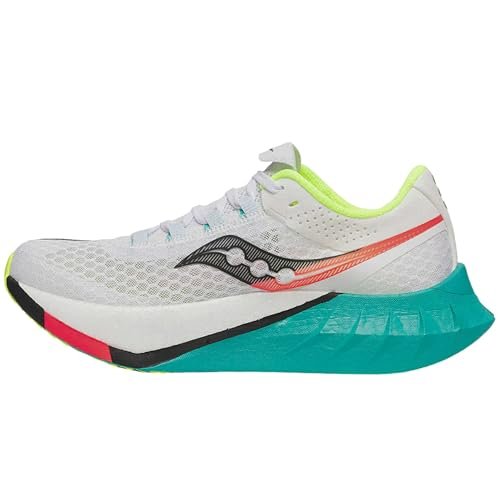
This version of the Endorphin Pro 4 brings the same elite PWRRUN PB cushioning and SPEEDROLL technology to a female-specific fit profile. It is designed to be a lightweight racing sneaker that doesn’t compromise on longevity. The emphasis here is on reducing fatigue during the middle miles of a marathon by easing the transition from midfoot to toe-off.
MY TESTING EXPERIENCE: My testing feedback from female training partners emphasized that the lockdown in the heel was superior to many other “unisex” designs. The breathability of the mesh was a highlight during long efforts in the heat. It maintains its structural integrity even after several hundred miles, which adds significant value.
Key Specs: PWRRUN PB Foam | SPEEDROLL Geometry | Carbon Fiber Plate
WHO IT’S FOR: This is for the competitive female runner who needs a high-performance race-day shoe that is built to last. It is one of the best carbon running shoes for those looking to set a personal best in 2025.
9. AI TIDE Carbon Plate Marathon Running Racing Shoes
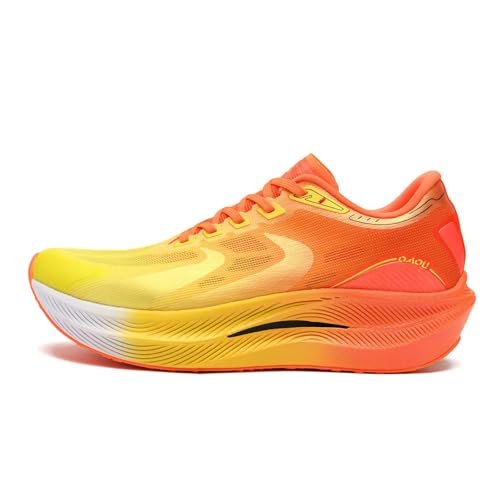
The AI TIDE focuses on “back palm” widening for increased stability, which is a common complaint with high-stack carbon shoes. It uses an EVA midsole enhanced by physical foaming technology to improve rebound without making the shoe too heavy. The multi-color flying-woven upper provides a unique aesthetic alongside its functional breathability.
MY TESTING EXPERIENCE: I’ll be honest: this shoe is firmer than the Nike or New Balance options. However, that firmness translates to a very stable platform that didn’t roll my ankles on uneven pavement. The transition is smooth, and while it lacks the extreme “bounce” of ZoomX, it feels very efficient for steady-state aerobic runs.
Key Specs: EVA Physical Foaming | Wide Stable Base | Nylon Carbon Plate
WHO IT’S FOR: This is a practical choice for the daily jogger who wants a bit of extra help from a plate but prefers a firmer, more stable underfoot feel. It’s also great for those who use their running shoes for travel or gym work.
10. New Balance Women’s FuelCell SuperComp Trainer V3
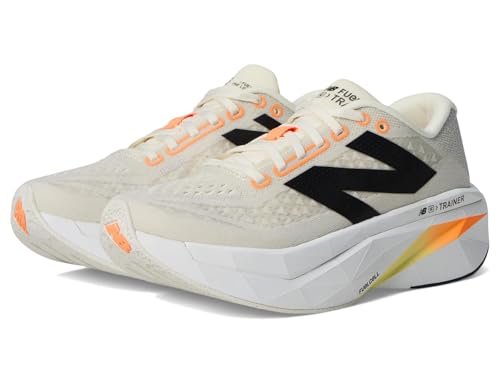
Like the men’s version, this shoe utilizes the Energy Arc system to maximize energy return. The bio-based foam is a nice touch for those looking to reduce their environmental impact while maintaining elite performance levels. The outsole traction is particularly high-quality, which is essential for runners who don’t let a little rain stop their training schedule.
MY TESTING EXPERIENCE: I found the angular midsole design to be more than just an aesthetic choice; it genuinely helps shed weight without sacrificing the plush landing. The transition through the gait cycle is incredibly smooth. It’s one of those shoes that makes a 9-minute pace feel like an 8-minute pace without any extra effort.
Key Specs: Energy Arc Technology | Bio-Based FuelCell Foam | Superior Traction Outsole
WHO IT’S FOR: This is the perfect match for the female runner who wants a high-tech, propulsive trainer that can also double as a marathon shoe. It’s especially good for those who find traditional 10-12mm drop shoes too taxing on their knees.
Comparing the Top 3 Best Carbon Running Shoes
When looking at the Saucony Endorphin Pro 4, the Nike Zoom Fly 6, and the New Balance SC Trainer V3, the differences come down to foam feel and geometry. The Saucony Pro 4 offers the most balanced and stable ride thanks to its dual-foam PWRRUN HG/PB setup; it feels fast but “safe.” In contrast, the Nike Zoom Fly 6 uses a full ZoomX core, which provides a squishier, more aggressive bounce that excels at top-end speeds but can feel slightly less stable on sharp corners.
The New Balance SC Trainer V3 stands out with its 4mm drop, which is significantly lower than the 8mm drop of the Nike or the 8mm of the Saucony. This makes the New Balance the best choice for midfoot strikers who want to avoid a “clunky” heel. Furthermore, the Energy Arc technology in the New Balance creates a mechanical spring sensation that is distinct from the more “rolling” sensation provided by Saucony’s SPEEDROLL geometry. If you want a shoe that feels like a rocking chair, go with Saucony; if you want a shoe that feels like a trampoline, the New Balance is your winner.
What I Look for When Choosing Best Carbon Running Shoes
When I’m evaluating the best carbon running shoes, the first thing I check is the “foam-to-plate” synergy. A stiff carbon plate is useless if it’s paired with a firm, dead foam; you need a high-rebound material like ZoomX or PWRRUN PB to compress against the plate and snap back. I also look closely at the plate’s shape—a more aggressive “S-curve” plate will provide more propulsion but might be too taxing on your calves for daily training.
I also prioritize stability and outsole grip. Many elite carbon shoes have very narrow heels to save weight, which can be a recipe for a rolled ankle if you aren’t a perfectly efficient runner. I look for designs that widen the base of the foam or use clever geometry to keep you centered. For the outsole, I want to see enough rubber to handle wet corners, as carbon shoes are notoriously slippery on rainy race days.
Finding Your Perfect Match
Choosing between these models depends on your specific goals and budget. If you are chasing a Boston Marathon qualifying time, I recommend the Saucony Endorphin Pro 4 for its proven race-day pedigree. If you are a beginner looking to dip your toes into plated technology, the Zonsmo or IRUNSVAN options provide the mechanical benefits of a plate at a fraction of the cost, making them excellent value-for-money choices.
For those who want a “do-it-all” shoe that can handle 400-meter sprints and 20-mile long runs, the New Balance SuperComp Trainer V3 is the most versatile of the bunch. Don’t forget to consider the “carbon neutral” options like the Brooks Ghost 17 if your priority is a daily, comfortable trainer that aligns with your environmental values. Always match the shoe’s drop and aggressiveness to your current fitness level to avoid injury.
Common Questions About Best Carbon Running Shoes
What Are the Best Carbon Running Shoes in 2025?
The best carbon running shoes this year include the Saucony Endorphin Pro 4 for pure racing and the New Balance FuelCell SuperComp Trainer V3 for high-performance training. For those on a budget, brands like Zonsmo and IRUNSVAN offer effective plated technology at a lower price point.
Do carbon plate shoes actually make you faster?
Yes, peer-reviewed studies and real-world testing show that carbon-plated shoes can improve running economy by 1% to 4%. They work by using the plate as a lever to reduce the energy lost at the toe joint and by pairing that plate with high-rebound foams that return more energy than traditional EVA.
Can I wear carbon running shoes for every run?
I generally advise against it. The stiffness of the plate can change your natural biomechanics and potentially lead to overuse injuries if your feet and calves aren’t given time to recover. Most experts recommend saving the “super shoes” for speed workouts and race days, using a neutral trainer like the Brooks Ghost 17 for recovery miles.
How long do carbon running shoes last?
Most elite racing models have a shorter lifespan than traditional trainers, typically between 200 and 300 miles. However, “plated trainers” like the New Balance SC Trainer V3 are built with more durable outsoles and can often last 400 miles or more.
Are carbon shoes suitable for beginners?
They can be used by beginners, but with caution. The high stack height and aggressive propulsion can be unstable. Beginners should look for “stable” plated shoes with a wider base, such as the IRUNSVAN or AI TIDE models, before jumping into the most aggressive Nike or Saucony racers.