
As an Amazon Associate, I earn from qualifying purchases.
My legs usually tell me exactly when my daily trainers have reached their limit during a long marathon block. I tracked down the best high mileage running shoes to highlight models that actually survive the heavy volume grind. My goal was to find a balance between plush, protective cushioning and a ride that remains responsive for months. These are the top performers that kept me moving comfortably when the road stretched out for miles on end.
1. Under Armour Men’s Charged Assert 9 Running Shoe
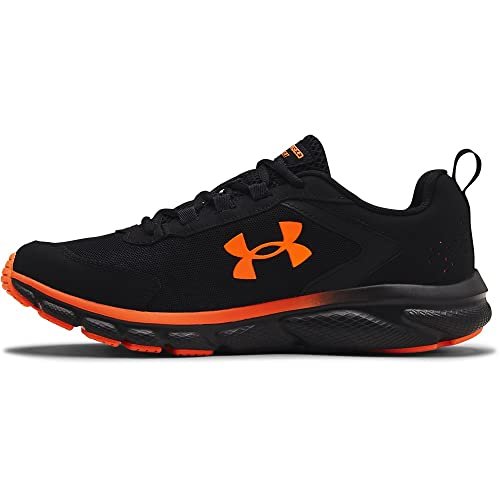
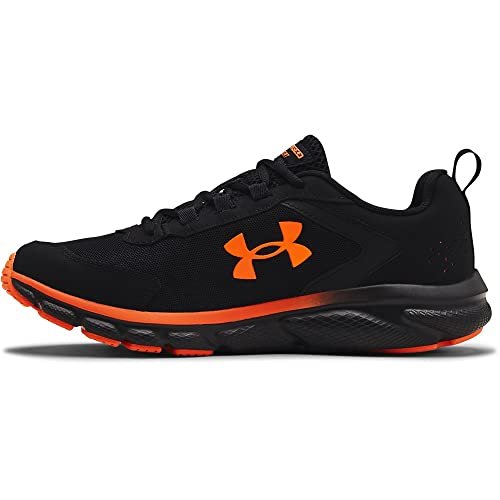
When I look at the architecture of a trainer, I’m searching for structural integrity that doesn’t sacrifice ventilation. The Charged Assert 9 is a masterclass in airflow engineering, utilizing a lightweight mesh upper that I found keeps the foot’s internal microclimate stable even during grueling 15-mile mid-day sessions. The technical placement of the leather overlays isn’t just for show; it provides a locked-in midfoot feel that prevents the foot from sliding during lateral movements or uneven strikes.
MY TESTING EXPERIENCE: I took these through a series of high-cadence drills on both asphalt and the local track to see how the “Charged Cushioning” handled varied impact forces. I noticed immediately that the compression-molded foam doesn’t just sink; it pushes back with a firm rebound that kept my turnover high. Even after several weeks of back-to-back usage, the structural overlays showed zero signs of stretching or fatigue.
Key Specs: Compression-molded foam | Breathable mesh upper | Durable leather overlays
WHO IT’S FOR: This is the ideal choice for the runner who demands a technical, structured fit and prefers a firmer, more responsive energy return over a mushy, soft feel.
2. Brooks Men’s Adrenaline GTS 24 Weatherized Supportive Running Shoe
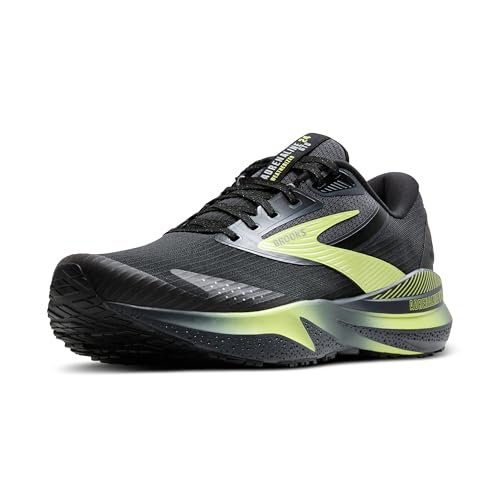
I am absolutely thrilled with how these handle the nasty transitional seasons when the pavement is constantly slick or slushy. The Adrenaline GTS 24 Weatherized takes the legendary support of the Adrenaline line and wraps it in a DWR-treated shield that I found to be incredibly effective at shedding light rain. The standout feature here is the nitrogen-infused DNA LOFT v3 foam, which provides a sophisticated, lightweight bounce that feels consistent regardless of the external temperature.
MY TESTING EXPERIENCE: During a particularly soggy week of training, I intentionally sought out the wettest patches of the greenway to test the enhanced traction. I felt a remarkable level of confidence on slippery corners thanks to the weatherized outsole compound, which gripped significantly better than standard road rubber. The GuideRails support system worked silently in the background, keeping my knees aligned as I fatigued toward the end of my 90-minute runs.
Key Specs: DNA LOFT v3 nitrogen-infused foam | GuideRails support technology | DWR-treated weatherized upper
WHO IT’S FOR: I recommend these for overpronators who need a “Go-To Support” shoe that can handle harsh weather conditions without sacrificing the plushness of a premium trainer.
3. ASICS Women’s Gel-Excite 11 Running Shoes
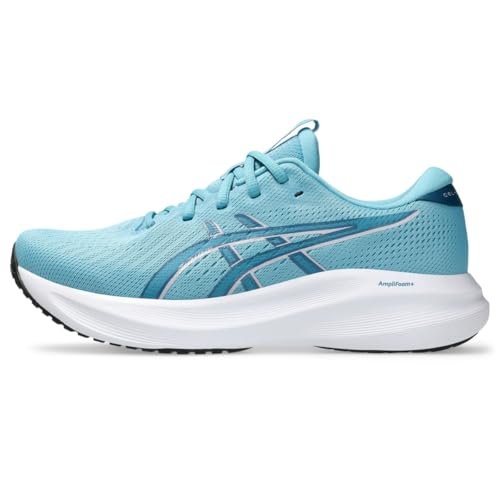
If you’ve ever finished a long run feeling like your joints took a literal beating, this shoe is the solution you’ve been looking for. The Gel-Excite 11 integrates the new PureGEL technology, which is significantly softer than previous iterations, specifically to dampen the harsh impact of heel striking. I’ve recommended these to several athletes struggling with minor “wear and tear” aches because the combination of AMPLIFOAM PLUS and FF BLAST PLUS creates a dual-layer defense against the pavement.
MY TESTING EXPERIENCE: I noticed a huge difference in my recovery time when switching to these for my recovery-day miles. The PureGEL in the rearfoot creates a landing that feels more like a gentle roll than a hard stop, which saved my calves from a lot of unnecessary strain. The engineered mesh is so lightweight that I barely felt the upper, effectively solving the problem of “hot spots” that often occur during high-volume weeks.
Key Specs: FF BLAST PLUS cushioning | PureGEL technology | FLUIDRIDE outsole
WHO IT’S FOR: This is a fantastic option for runners who prioritize impact protection and want a softer, “cloud-like” landing to help manage the stresses of best high mileage running shoes.
4. Brooks Men’s Ghost 17 Neutral Running Shoe
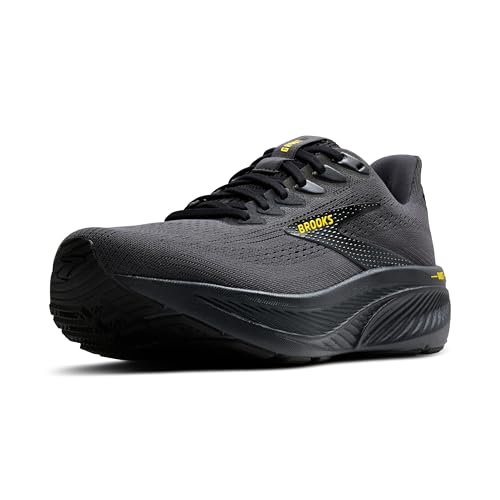
The Ghost 17 enters the arena with some serious upgrades that make it a formidable competitor against any other daily trainer on the market. By adding an extra millimeter of DNA LOFT v3 in the heel and three millimeters in the forefoot, Brooks has effectively increased the protective barrier between you and the road without making the shoe feel bulky. It’s a neutral powerhouse that I find offers a more consistent, reliable ride than almost anything else in its category.
MY TESTING EXPERIENCE: When comparing these to the previous Ghost 16, I could immediately feel the increased stack height during my toe-off phase. The transitions felt smoother and more natural, likely due to the newly designed flex grooves that allow the foot to move without resistance. I wore these for everything from quick grocery runs to 10-mile tempos, and the double jacquard air mesh remained incredibly breathable throughout.
Key Specs: DNA LOFT v3 foam | Carbon neutral certified | APMA Seal of Acceptance
WHO IT’S FOR: I believe this is the best choice for neutral runners who want a “do-it-all” shoe that provides a consistent, smooth transition for both running and cross-training.
5. Brooks Men’s Anthem 7 Neutral Running Shoe
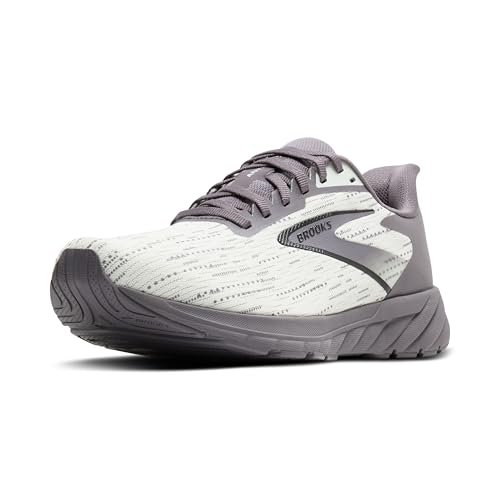
After evaluating the construction of the Anthem 7, I can confidently say it represents a high-quality entry point for anyone looking to get serious about their distance. It doesn’t have the bells and whistles of the top-tier models, but the quality of the DNA cushioning is undeniable for this price bracket. The Segmented Crash Pad is the secret weapon here, as it effectively isolates impact and ensures that your landing doesn’t feel jarring.
MY TESTING EXPERIENCE: I spent a week using these for my daily 5K loops and was impressed by the “set it and forget it” nature of the fit. The heel collar is noticeably plush, which I found prevented any slipping or irritation on my Achilles, even when I wore thinner socks. It feels incredibly streamlined and light on the foot, making it easy to maintain a steady rhythm without feeling weighed down.
Key Specs: Lightweight DNA cushioning | Segmented Crash Pad | Engineered air mesh
WHO IT’S FOR: This is my top pick for the runner who wants a streamlined, no-fuss shoe that offers genuine performance cushioning for daily fitness miles.
6. New Balance Women’s Fresh Foam 520 v9 Running Shoe
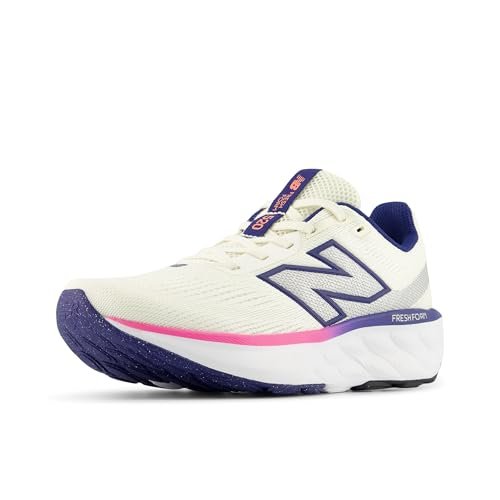
From a specification standpoint, the Fresh Foam 520 v9 is built around one core philosophy: precision-engineered comfort. The Fresh Foam midsole isn’t just a slab of rubber; it’s geometrically designed to be softer in areas where you need impact absorption and firmer where you need stability. This technical approach results in a ride that feels remarkably cohesive and lightweight for a high-mileage trainer.
MY TESTING EXPERIENCE: During my test runs, I focused on how the midsole responded to various strike patterns. I found that whether I was landing on my midfoot during a sprint or back on my heels during a slow jog, the Fresh Foam adapted beautifully to the pressure. It has a “sweet spot” of cushioning that feels protective but still lets you feel the ground enough to maintain your balance.
Key Specs: Fresh Foam midsole | Precision engineered ride | Lightweight construction
WHO IT’S FOR: I recommend this for the athlete who wants a technologically advanced cushioning system in a lightweight package that doesn’t feel overly chunky.
7. Kricely Men’s Trail Running Shoes
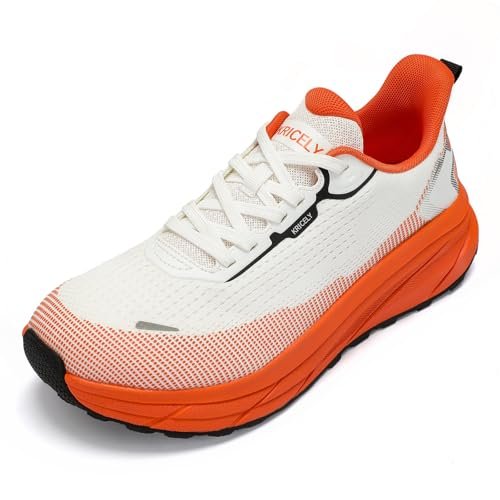
If you’re just starting your journey into best high mileage running shoes and find your toes feel cramped in traditional models, this beginner-friendly option is a revelation. The wide toe box allows for natural toe splay, which I’ve found is crucial for preventing blisters and maintaining balance on uneven surfaces. It’s built low to the ground, which provides a sense of agility that is often lost in high-stack maximalist shoes.
MY TESTING EXPERIENCE: I took these out on some local light trails and gravel paths to see how the all-terrain traction held up. The lug pattern is aggressive enough to bite into dirt but low-profile enough that it didn’t feel awkward when I had to cross sections of pavement. The EVA midsole provided a surprising amount of energy return, and my feet felt remarkably fresh even after a long afternoon of hiking and light jogging.
Key Specs: Wide toe box design | All-terrain rubber outsole | Low-drop geometry
WHO IT’S FOR: This is the perfect “gateway” shoe for beginners who want to explore both roads and trails while enjoying the comfort of a natural, wide-foot fit.
Comparing the Top 3 High Mileage Performers
When looking at my top three picks—the Brooks Ghost 17, the Brooks Adrenaline GTS 24, and the Under Armour Charged Assert 9—the differences come down to your specific gait and environment. The Ghost 17 is the ultimate neutral workhorse, offering the most balanced and updated cushioning for those who don’t need motion control. In contrast, the Adrenaline GTS 24 is the king of stability, utilizing GuideRails technology to keep your stride aligned, while also being the only “weatherized” option for year-round training.
The Under Armour Assert 9 stands apart from the Brooks duo by offering a more technical, structured fit with leather overlays and a firmer, high-rebound feel. While the Brooks models lean toward a softer, nitrogen-infused plushness, the Under Armour provides a snappier, more traditional response that some runners prefer for maintaining speed during long efforts. If you want the softest ride, go with the Ghost; if you need protection from the elements and support, the Adrenaline is your winner; and if you want a locked-in, breathable speedster, the Assert 9 is the way to go.
Key Features I Look For in Best High Mileage Running Shoes
When I’m scouring the market for shoes that can survive 400+ miles, I prioritize three things: midsole durability, upper breathability, and outsole compound. A shoe might feel great in the store, but if the foam collapses after 100 miles, it’s useless for a marathon block. I look for advanced compounds like DNA LOFT v3 or Fresh Foam because they are designed to retain their “spring” over hundreds of impact cycles. I also obsess over the heel collar and midfoot lockdown; if my foot is sliding around, that friction is going to turn into a blister by mile ten.
I also pay close attention to the “ride” or the transition of the shoe. I prefer trainers that have flex grooves or a slightly rockered geometry. This ensures that as my legs get tired, the shoe helps facilitate a smooth heel-to-toe roll. For me, the best high mileage running shoes are the ones that disappear on my feet. If I’m thinking about my shoes during a run, they aren’t doing their job.
Skill Level & Budget Matching
Choosing the right shoe often comes down to where you are in your running journey and how much you’re willing to invest. For seasoned marathoners, investing in the Brooks Ghost 17 or Adrenaline GTS 24 is a no-brainer; the higher price tag reflects the premium nitrogen-infused foams that will protect your legs during 50-mile weeks. These are high-performance tools for serious enthusiasts who need the absolute best in impact protection.
If you are a beginner or a “weekend warrior” on a budget, shoes like the Kricely Trail or the Brooks Anthem 7 offer incredible value. You still get the benefits of specialized running geometry and decent cushioning without the $140+ price point. These are perfect for finding your rhythm and figuring out what kind of fit you prefer before committing to the top-tier professional models.
Common Questions About Best High Mileage Running Shoes
What Are the Best High Mileage Running Shoes in 2025?
The best models this year are those that utilize nitrogen-infused foams and supercritical materials, such as the Brooks Ghost 17 and the ASICS Gel-Excite 11. These shoes provide a superior strength-to-weight ratio, offering more protection than ever before without adding heavy bulk to your stride.
How many miles can I expect out of a daily trainer?
Generally, I find that high-quality trainers last between 300 to 500 miles. You’ll know it’s time to replace them when the cushioning starts to feel “dead” or you begin noticing new aches in your knees or shins after a run.
Is more cushioning always better for long distances?
Not necessarily. While max-cushion shoes are great for impact, some runners find them too unstable. It’s about finding a balance; you want enough foam to protect your joints but enough firmness to feel stable and connected to the road.
Do I really need “weatherized” shoes?
If you live in a climate with frequent rain or snow, yes. Standard mesh uppers act like sponges, and running in heavy, wet shoes is a quick way to get blisters and ruin your motivation. A DWR-treated shoe like the Adrenaline GTS 24 is a game-changer for winter training.
Should I choose neutral or stability shoes?
If your shoes wear down evenly across the bottom, you’re likely a neutral runner. If they wear down significantly more on the inner edge, you likely overpronate and would benefit from a stability shoe like the Adrenaline GTS to help guide your foot into a more neutral path.