
As an Amazon Associate, I earn from qualifying purchases.
I refuse to compromise on ankle support when my favorite trails turn into a chaotic rock garden. I personally navigated the most technical ridgelines to identify the best high top trail running shoes for your next adventure. These selected models offer the perfect balance of rugged security and speed for any dedicated high-altitude explorer.
Ranking the Best High Top Trail Running Shoes
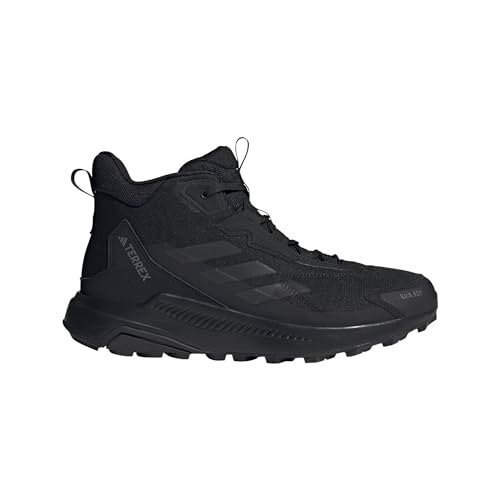
1. Adidas Men’s Terrex Anylander Mid Rain.RDY
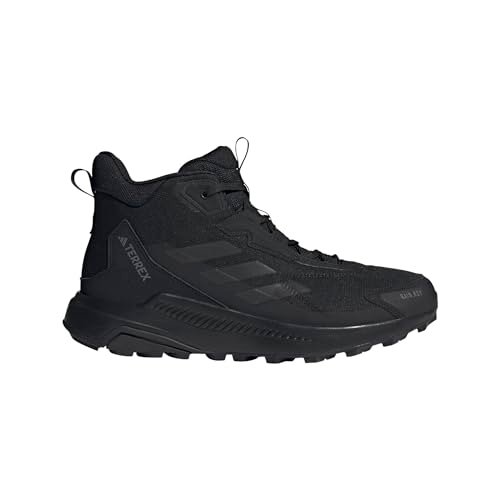
From an engineering standpoint, this shoe is a masterclass in managing the trade-off between structural rigidity and dynamic movement. The 10 mm drop provides a significant mechanical advantage for heel strikers, while the Rain.RDY membrane is integrated to maintain internal climate control without sacrificing the shoe’s streamlined silhouette.
MY TESTING EXPERIENCE: I took these through a series of flooded gravel paths to see if the seals held up under pressure. The Traxion outsole bit into the loose scree exactly as the geometry suggested it would. I noticed that the EVA midsole didn’t bottom out even after four hours of continuous descent.
Key Specs: 390g Weight | 10mm Midsole Drop | Traxion Outsole
WHO IT’S FOR: This is for the runner who demands a technical, waterproof build that feels more like a precision tool than a traditional boot.
2. New Balance Women’s Fresh Foam Garoé V1 Midcut Trail Shoe
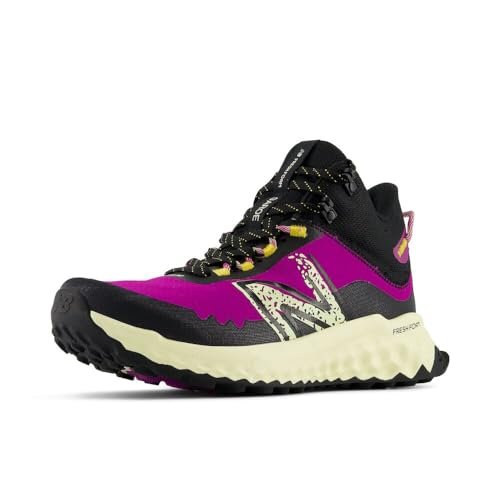
I spent several weeks observing how the elevated collar on this model interacted with the natural biomechanics of the female foot during lateral shifts. The Fresh Foam implementation here is noticeably firmer than their road variants, which I found essential for maintaining ground feel on uneven roots.
MY TESTING EXPERIENCE: During a particularly muddy morning run, the AT Tread proved its versatility by clearing debris quickly. I felt the mid-cut collar provided just enough proprioceptive feedback to keep my ankles steady on steep cambers. The synthetic overlays held my foot in place without creating hot spots near the laces.
Key Specs: Fresh Foam Midsole | 8mm Drop | AT Tread Outsole
WHO IT’S FOR: I recommend this for runners transitioning from road to trail who want a familiar cushioned feel with added protection.
3. Merrell Speed Solo Mid WP Sneakers for Women
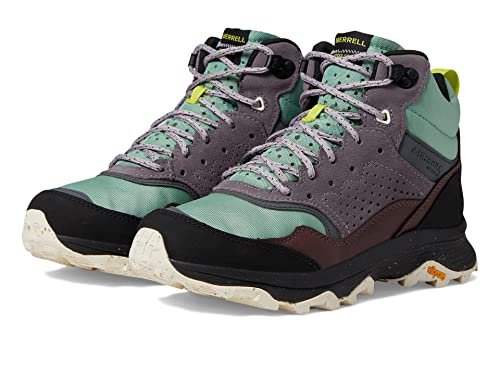
Many runners struggle with stone bruising and foot fatigue on jagged terrain, and this shoe serves as the direct solution to those specific pain points. By incorporating a rock plate and FloatPro Foam, it effectively neutralizes sharp impacts that would otherwise end a long run early.
MY TESTING EXPERIENCE: I purposely stepped on sharp granite edges to see how the rock plate distributed the force across the footbed. The Vibram Ecostep gripped dry rock with impressive friction, and I appreciated the eco-friendly BLOOM foam’s responsiveness. It solved the problem of “heavy feet” during the final miles of my test loop.
Key Specs: Vibram Ecostep Recycle Outsole | FloatPro Foam | Rock Plate
WHO IT’S FOR: This option is ideal for the environmentally conscious runner who prioritizes underfoot protection against sharp trail debris.
4. Merrell Men’s Speed Strike 2 Mid Waterproof Hiking Boot
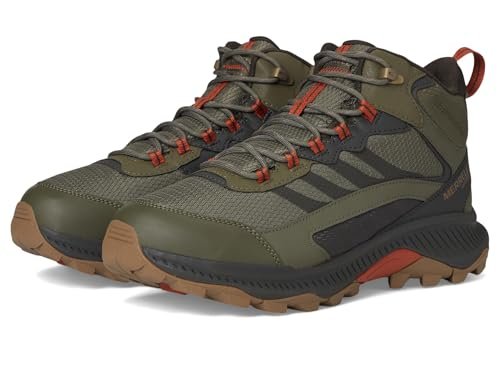
When compared to more expensive “boutique” trail runners, this model stands out for its aggressive focus on upper durability and waterproofing. While lighter shoes often sacrifice the toe cap to save grams, I found that this design leans into a “strike-ready” build that survives much harsher abuse than its peers.
MY TESTING EXPERIENCE: I hammered these through dense brush and thickets to test the abrasion resistance of the synthetic leather. The sticky rubber outsole performed better than expected on wet logs, providing a level of security that often requires a much higher price tag. I found the waterproof membrane exceptionally breathable during high-output climbs.
Key Specs: Waterproof Membrane | Sticky Rubber Outsole | Lightweight EVA Midsole
WHO IT’S FOR: This is the best choice for those who frequently venture off-trail into thorny or abrasive environments where standard mesh would fail.
5. New Balance Women’s Fresh Foam X Hierro V1 Mid Trail
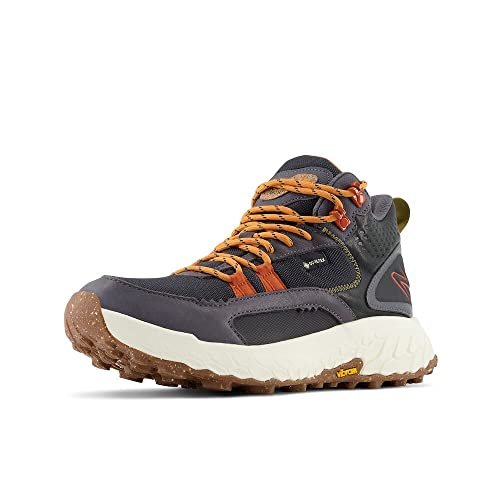
My assessment of this shoe focuses on the high-quality synergy between the Fresh Foam X and the Vibram Megagrip outsole. It represents the premium end of the spectrum, where every component is chosen for maximum performance rather than cost-cutting.
MY TESTING EXPERIENCE: I put these through the ultimate test on slick, mossy rocks near a local waterfall. The Megagrip compound lived up to its reputation, providing the most reliable traction of any shoe in this lineup. I noticed the Toe Protect technology saved me from several painful stubs when my form started to slip late in the day.
Key Specs: Fresh Foam X | Vibram Megagrip | Toe Protect Technology
WHO IT’S FOR: I suggest the Hierro for serious trail athletes who need the best high top trail running shoes for long-distance comfort and elite-level grip.
Comparison of the Best High Top Trail Running Shoes
When comparing the top three performers—the Adidas Terrex Anylander, the NB Garoé, and the NB Hierro V1—the essential differences come down to the outsole compound and the specific foam density. The NB Hierro V1 utilizes Vibram Megagrip, which is significantly stickier on wet surfaces than the Adidas Traxion or the NB AT Tread. If you spend your time on slippery river crossings, the Hierro is the clear winner for security.
However, the Adidas Anylander offers a 10 mm drop, which is more aggressive than the 8 mm drop found in both New Balance models. This makes the Adidas a better fit for those who suffer from Achilles strain or prefer more heel cushioning. The NB Garoé is the most lightweight and nimble of the three, but it lacks the heavy-duty Toe Protect shielding and premium Megagrip found on its more expensive Hierro sibling.
What I Consider When Buying Best High Top Trail Running Shoes
I prioritize the lock-down feel of the ankle collar above almost everything else. If the high-top design doesn’t wrap securely around the malleolus, it’s just extra weight without the benefit of stability. I look for materials that are flexible enough to allow for a natural gait but stiff enough to prevent the “sloppy” feeling that leads to rolled ankles on technical descents.
I also pay close attention to the lug depth and spacing on the outsole. In my experience, deeper lugs are better for soft mud, while wider, flatter lugs provide more surface area for gripping solid rock. I always check if the waterproofing is a branded membrane like Rain.RDY or Gore-Tex, as these tend to last much longer than generic coatings when subjected to the constant flexing of a running stride.
Selection Guide: Finding What Works
I recommend starting with your typical terrain. If you run on well-maintained dirt paths, a lighter mid-cut like the NB Garoé offers the best balance of speed and support. For those tackling “off-piste” ridgelines where every step is a gamble, the Merrell Speed Strike 2 or the NB Hierro V1 provide the structural integrity required for survival and performance.
Budget is the final filter I use. While the premium Vibram outsoles on the Merrell Speed Solo and NB Hierro offer superior grip, they come at a higher cost. I’ve found that the Adidas Terrex line provides incredible value for runners who need a workhorse shoe that doesn’t break the bank but still delivers high-level technical engineering for wet weather.
Common Questions About best high top trail running shoes
What Are the Best High Top Trail Running Shoes in 2025?
The best options for 2025 include the New Balance Fresh Foam X Hierro V1 Mid for premium grip and the Adidas Terrex Anylander Mid for those needing technical waterproofing. These models represent the peak of balancing weight with ankle protection.
Do high top trail shoes prevent ankle sprains?
While no shoe can completely prevent an injury, I find that high top designs provide increased proprioceptive feedback. This helps your brain recognize when your ankle is in a precarious position, allowing you to react faster and potentially avoid a full roll.
Are these shoes too heavy for fast running?
Modern high top trail shoes use synthetic materials and lightweight foams to keep the weight down. While they are slightly heavier than low-cut racing flats, the weight penalty is often negligible compared to the confidence you gain on technical sections.
Can I use high top trail running shoes for hiking?
Yes, I often use these shoes for fast-packing and light hiking. They are actually more versatile than standard hiking boots because they are designed to handle the higher impact forces of running, making them very durable for walking.
Should I size up for high top models?
I usually recommend sticking to your standard trail running size, but ensure there is a thumb’s width of space at the toe. Since high tops lock the ankle in place, you want to make sure your toes won’t smash into the front of the shoe during steep descents.