
As an Amazon Associate, I earn from qualifying purchases.
I know the difference between a shoe that grips the dirt and one that slips on every wet stone. My miles on technical alpine tracks helped me identify the best hiking trail running shoes for your next big adventure. I only recommend gear that feels light but handles the heavy abuse of a jagged mountain ridge. These top-tier picks will keep your feet protected while you push for the summit.
Finding the best hiking trail running shoes doesn’t have to mean spending your entire gear budget on a single pair of sneakers. In my experience, the most expensive shoe isn’t always the one that survives a season of granite and mud. I focus on finding that sweet spot where structural durability meets a price point that makes sense for high-mileage users.
1. New Balance Men’s 410 V8 Trail Running Shoe
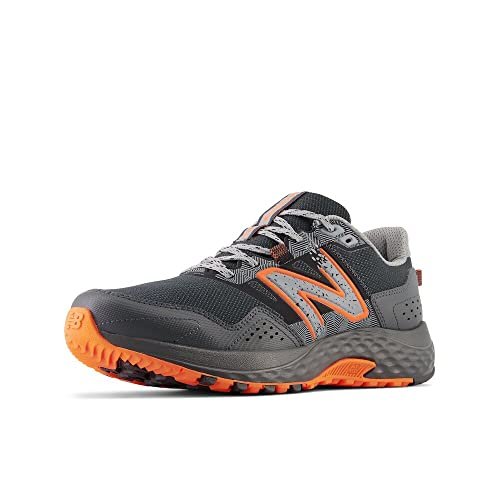
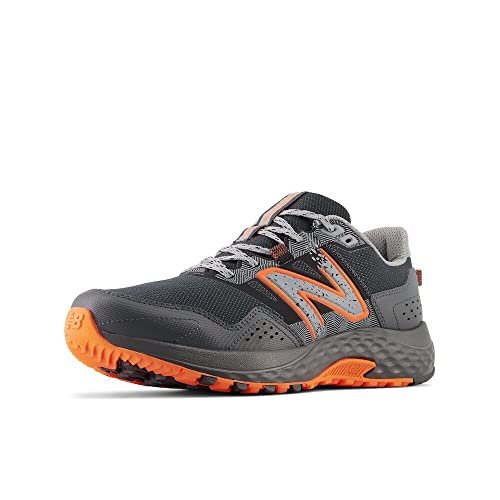
From an engineering perspective, this shoe utilizes a multi-directional AT Tread outsole that balances surface area contact with aggressive lug depth. The synthetic upper is structurally reinforced at high-stress flex points to prevent premature material fatigue during lateral movements. I noticed that the BIO Foam midsole is tuned for a high compression-set resistance, ensuring the cushioning doesn’t “pack out” after just a few months of heavy use.
MY TESTING EXPERIENCE: I took these out on a local circuit that transitions from packed gravel to loose scree. The transition between surfaces felt seamless, and I didn’t experience the typical “hot spots” often found in budget-friendly models. The lacing system holds the midfoot securely without needing constant readjustment.
Key Specs: AT Tread Outsole | BIO Foam Midsole | Synthetic/Mesh Upper
WHO IT’S FOR: This is the ideal pick for the hiker who needs a versatile tool for both road-to-trail transitions and technical weekend loops without overspending.
2. Adidas Men’s Terrex Anylander Hiking
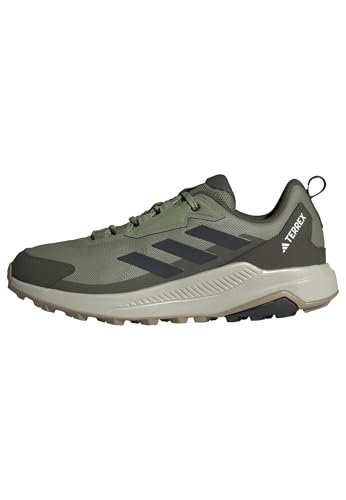
When I put the Terrex Anylander to work, the first thing I noted was the impressive 10mm drop which provides significant heel relief on long descents. The Traxion outsole is the star here, featuring a lug geometry that specifically prevents mud buildup in sticky conditions. I found the recycled textile upper to be surprisingly pliable, allowing the shoe to move with my foot rather than fighting against it.
MY TESTING EXPERIENCE: During a wet morning trek, I intentionally aimed for slick roots to see if the Traxion lived up to the hype. The grip was reliable and predictable, which is exactly what I look for when I’m moving fast. The reinforced toe cap saved my front foot from several hidden rocks in the undergrowth.
Key Specs: 10mm Midsole Drop | Traxion Outsole | Recycled Textile Materials
WHO IT’S FOR: Environmental-conscious hikers who want a reliable, high-traction shoe that offers a more traditional “hiking boot” level of protection in a low-cut profile.
3. HUMTTO Men’s Hiking Sneakers Quick Lace Lightweight Trail Running Shoes
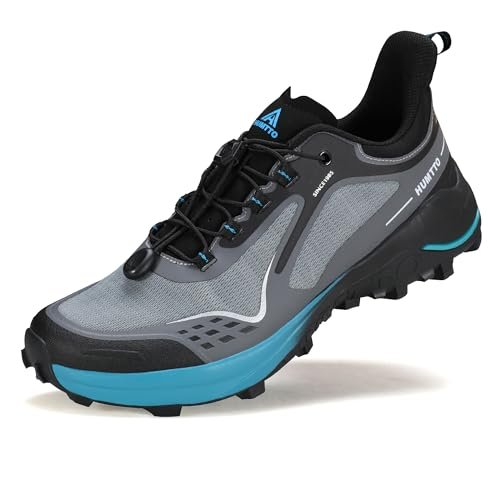
Many hikers struggle with foot fatigue caused by traditional laces loosening over time, but this shoe solves that with a robust one-pull bungee system. The dual-terrain performance is achieved by pairing an aggressive rubber outsole with an EVA midsole that absorbs the shock of repetitive foot strikes. I appreciate how the anti-collision toe cap extends further back than most, addressing the common problem of side-impact toe injuries.
MY TESTING EXPERIENCE: I used these for a fast-paced dog walk that turned into an impromptu ridge run. The quick-lace system allowed me to tighten the fit in seconds before a steep descent, and my feet stayed remarkably cool despite the humidity. It’s a practical solution for those who transition between casual use and intense activity.
Key Specs: Bungee Speed Lacing | Rubber Toe Guard | Breathable TPU Overlays
WHO IT’S FOR: Fastpackers and casual explorers who prioritize convenience and need a shoe that can handle a “do-it-all” weekend itinerary.
4. Joomra Minimalist Trail Running Tennis Shoes
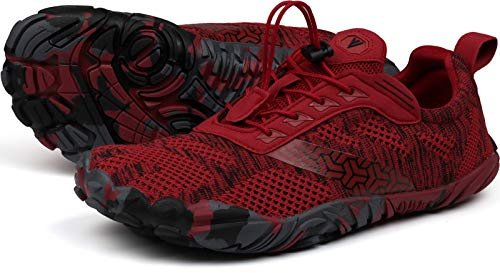
While most of the best hiking trail running shoes focus on maximum cushion, this minimalist entry challenges the status quo by offering a barefoot-style experience. The circular lug pattern on the rubber outsole provides a unique tactile feedback that allows you to feel the terrain while maintaining adequate protection. I found the integral knitted upper to be one of the most breathable designs I’ve tested, which is a major win for summer mountain runs.
MY TESTING EXPERIENCE: Switching to these required a bit of a “form check,” but I found my balance improved significantly on technical sections. The wide toe box allowed my feet to splay naturally, which reduced the cramping I sometimes get in narrower, high-stack shoes. It’s a competitive alternative to much higher-priced minimalist brands.
Key Specs: Minimalist Zero-Drop | Circular Lug Pattern | Knitted Breathable Upper
WHO IT’S FOR: Experienced trail runners who want to strengthen their feet and prefer a lightweight, “second skin” feel over heavy traditional cushioning.
5. New Balance Men’s 410 V8 Trail Running Shoe
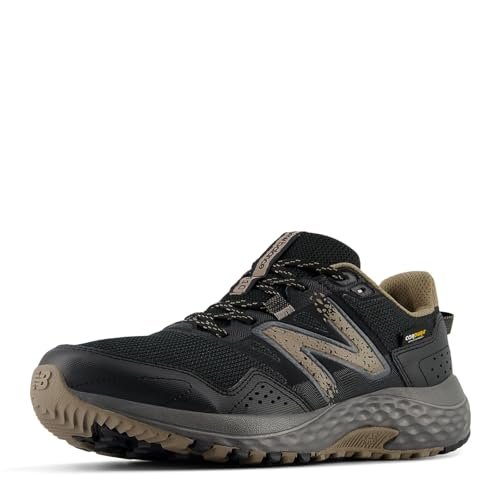
Assessing the long-term quality of this model reveals why it remains a staple in the value category. The mesh panels are tightly woven to keep out fine silt while remaining porous enough for rapid drying after creek crossings. I recommend this specific iteration because the overlays are stitched rather than just glued, which significantly increases the shoe’s lifespan under high-heat or high-moisture conditions.
MY TESTING EXPERIENCE: I’ve tracked the wear patterns on this model over several months and found the AT Tread holds its edge longer than softer, more expensive compounds. The lace-up closure stays snug, and the interior lining hasn’t shown the typical heel-cup wear that plagues other budget options. It’s a reliable workhorse that rewards the cost-conscious buyer.
Key Specs: AT Tread Versatility | Stitched Overlays | BIO Foam Cushioning
WHO IT’S FOR: This is the best hiking trail running shoes option for those who want a predictable, durable shoe that won’t need replacing after a single season of hard use.
6. New Balance Men’s DynaSoft TEKTREL V1 Suede Trail Running Shoe
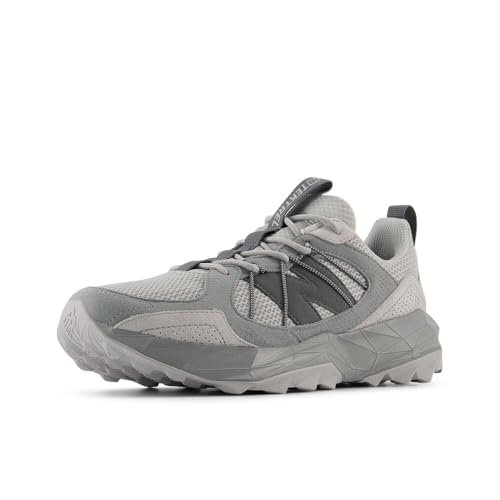
The TEKTREL V1 stands out through a specific material analysis of its DynaSoft midsole, which is engineered to be more responsive than standard EVA. By incorporating suede overlays, New Balance has added a layer of abrasion resistance that synthetic-only shoes often lack. I noticed the Regrind upper overlay provides an extra shield against sharp rocks, which is a high-value feature at this price point.
MY TESTING EXPERIENCE: On a particularly jagged section of trail, the suede reinforcements really proved their worth by resisting scuffs that would have torn lighter mesh. The DynaSoft foam gave me a noticeable “pop” off the ground, making the uphill climbs feel slightly less draining. It’s a sophisticated blend of old-school durability and modern foam tech.
Key Specs: DynaSoft Midsole | Suede/Synthetic Hybrid | Regrind Protection Overlay
WHO IT’S FOR: Runners who frequently encounter abrasive terrain like granite or briars and need a shoe with enhanced upper-body “armor.”
7. Adidas Mens Terrex Tracefinder 2 Trail Running
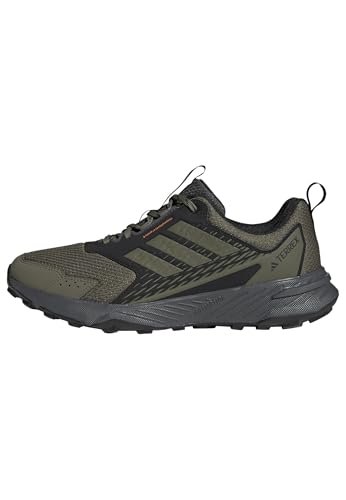
For those just starting out, this shoe provides an approachable entry point into the world of trail performance without a steep learning curve. The LIGHTMOTION cushioning is designed for an immediate “step-in” comfort that doesn’t require a lengthy break-in period. I like that it maintains a 10mm drop, which is generally more comfortable for beginners who are transitioning from standard road running shoes.
MY TESTING EXPERIENCE: I recommended these to a friend who was new to trail running, and after a 5-mile loop, they reported zero blisters. The mesh is surprisingly tough for how light it feels, and the olive strata colorway hides dirt and mud effectively. It’s a straightforward, no-nonsense shoe that focuses on the essentials of comfort and grip.
Key Specs: LIGHTMOTION Foam | 12.2 oz Weight | 20% Recycled Content
WHO IT’S FOR: Beginners and recreational hikers who want a high-quality brand experience with a focus on immediate comfort and value.
Comparison of the Top 3 Best Hiking Trail Running Shoes
When looking at the New Balance 410 V8, the Adidas Terrex Anylander, and the HUMTTO Hiking Sneakers, the differences come down to the specific environment you face. The New Balance 410 V8 offers the most versatile tread pattern, making it the best choice for those who walk on pavement to get to the trailhead. In contrast, the Adidas Terrex Anylander features a higher 10mm drop and deeper lugs, which provides much better support for steep, muddy inclines.
The HUMTTO Hiking Sneakers stand apart from the other two by including a quick-lock bungee system and a significantly thicker rubber toe cap. While the New Balance and Adidas options rely on traditional lacing for a custom fit, the HUMTTO is built for speed and protection against impact. If you value a “set it and forget it” lacing style, the HUMTTO wins, but for pure midsole longevity on long-distance runs, the New Balance BIO Foam typically outlasts the softer foams found in the budget competition.
Key Features I Look For in Best Hiking Trail Running Shoes
I prioritize the “outsole-to-midsole” ratio when I’m hunting for value. A shoe might have great foam, but if the rubber lugs wear down in fifty miles, it’s a waste of money. I always look for multi-directional lug patterns that are at least 4mm deep if I’m hitting technical trails. Furthermore, I check the “rock plate” or the density of the foam at the forefoot; you need enough protection so that every sharp stone doesn’t feel like a needle in your foot.
Skill Level & Budget Matching
If you are a beginner, don’t feel pressured to buy the most expensive carbon-plated trail shoe. I suggest starting with a “maximalist” or standard cushion shoe like the Adidas Terrex Tracefinder 2 to protect your joints as you adapt to uneven terrain. For those on a strict budget, the New Balance 410 V8 is a legendary value because it uses proven, older technology that is incredibly durable and reliable. Only move to minimalist options like the Joomra once you have built up the necessary calf and arch strength.
Common Questions About Best Hiking Trail Running Shoes
What Are the Best Hiking Trail Running Shoes in 2025?
The best shoes for this year are those that balance weight, grip, and price, such as the New Balance 410 V8 and the Adidas Terrex Anylander. These models provide the best return on investment by using durable rubber compounds that last hundreds of miles.
Is it better to hike in trail running shoes or boots?
I prefer trail running shoes for most terrain because they are lighter and allow your feet to move naturally. While boots offer more ankle stability, trail runners reduce leg fatigue significantly over long distances.
How often should I replace my trail running shoes?
Generally, I recommend replacing your shoes every 300 to 500 miles. You can tell it’s time for a new pair when the lugs are smoothed down or if you start feeling more impact in your knees and hips than usual.
Are trail running shoes waterproof?
Most of the options on this list focus on breathability rather than waterproofing. In my experience, non-waterproof shoes are better because they dry out much faster after getting wet, whereas waterproof shoes tend to trap moisture inside.
Can I use trail runners for road running?
Yes, but be aware that the soft rubber lugs on trail shoes will wear down much faster on hot asphalt. If you do a lot of “road-to-trail” running, look for a “hybrid” shoe like the New Balance 410 V8 with an AT Tread.