
As an Amazon Associate, I earn from qualifying purchases.
Boating is fun. But it can be tricky to understand how boat speed affects the water behind it. This water is called the wake. The size of the wake changes with the boat speed. For beginners, this can be confusing. This guide will help you learn about boat speed and wake size in a simple way.
Credit: slahampstead.org
What Is Boat Speed?
Boat speed is how fast the boat moves on water. It is usually measured in miles per hour (mph) or knots. One knot equals about 1.15 mph. When a boat moves, it pushes water aside. The faster the boat goes, the more water it moves.
Boat speed is important for many reasons:
- It affects safety on the water.
- It changes how the boat handles.
- It controls the size and shape of the wake.
What Is a Boat Wake?
A wake is the wave pattern created behind a moving boat. When the boat moves, it pushes water. The water moves in waves. These waves form the wake. The shape and size of a wake depend on:
- Boat speed
- Boat size
- Boat design
- Weight inside the boat
Some wakes are small and smooth. Others are large and choppy. Understanding wakes helps when you want to do water sports like wakeboarding or wakesurfing.
How Boat Speed Affects Wake Size
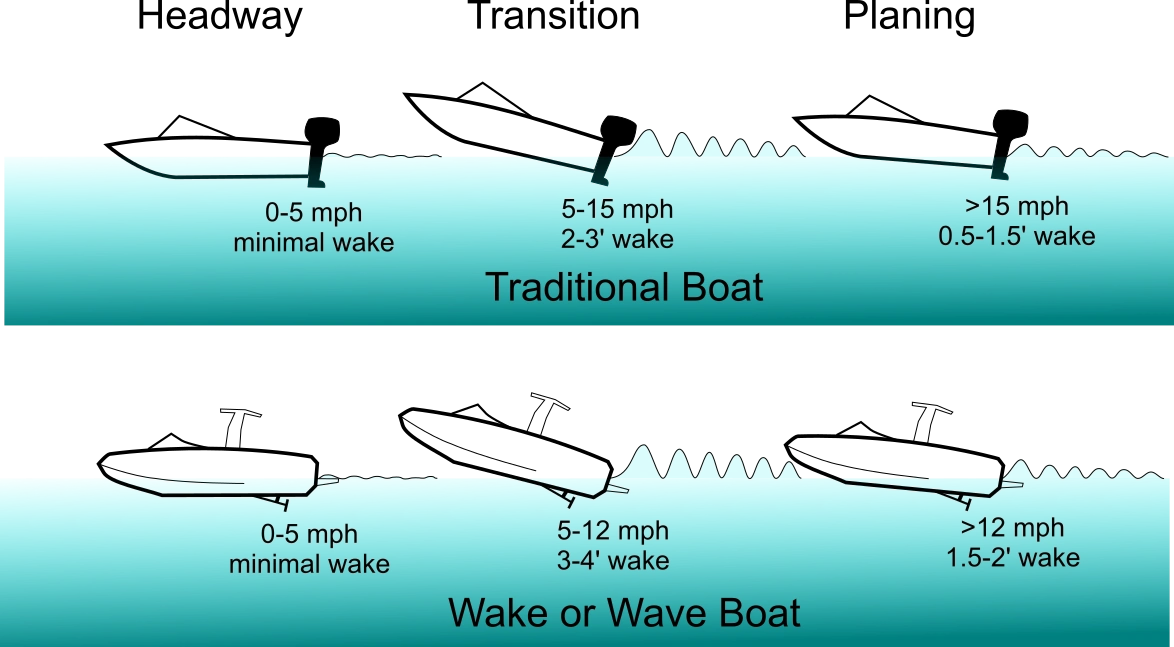
When a boat moves slowly, it creates a small wake. As the boat speeds up, the wake grows bigger. But if the boat goes too fast, the wake can get smaller again. This happens because the boat starts to plane on top of the water, making less water move to the sides.
Here is a simple way to think about it:
| Boat Speed (mph) | Wake Size | Wake Type |
|---|---|---|
| 0 – 5 mph | Small | Calm, small waves |
| 5 – 15 mph | Medium to Large | Big, good for wakeboarding |
| 15+ mph | Smaller again | Flat wake, less good for tricks |
So, the best wake for water sports is often made at medium speeds. This is why boat drivers try to keep speeds between 10 and 15 mph for wakeboarding.

Credit: www.swellwake.com
Factors That Change Wake Size Besides Speed
Boat speed is not the only thing that changes wake size. Here are other important factors:
- Boat Size: Bigger boats make bigger wakes.
- Boat Shape: Some boats make bigger wakes by design.
- Weight Distribution: Adding weight to the back of the boat can make the wake bigger.
- Water Conditions: Calm water shows wakes better than rough water.
How Weight Affects Wake Size
Weight inside a boat changes how it sits in water. If the boat is heavier at the back, it will push more water down there. This makes a bigger wake. People who want big wakes add weight or ballast to the back seats or swim platform.
But too much weight can make the boat hard to control. It can also use more fuel. So, adding weight must be done carefully.
Boat Speed and Wakeboarding
Wakeboarding is a popular water sport. The rider holds a rope attached to the boat. The boat pulls the rider on the water. The size and shape of the wake are very important for tricks and jumps.
For beginners, the boat speed should be slow. This helps the rider balance and get used to the sport. The common speed for beginners is around 10 to 12 mph. This speed creates a good wake that is not too big or too small.
Here is a quick guide for boat speed for wakeboarders:
- Beginners: 10 – 12 mph
- Intermediate: 13 – 15 mph
- Advanced: 15 – 18 mph
Adjusting the rope length also helps. A shorter rope makes the rider closer to the boat and easier to control.
Boat Speed and Wakesurfing
Wakesurfing is another sport where the rider surfs behind the boat. The boat speed is slower than regular boating. It is usually between 8 and 12 mph.
Wakesurfing needs a smooth, big wake. Boats designed for wakesurfing have special hulls and ballast systems. These help make the best waves.
Beginners should start at slower speeds. This helps them stand and balance on the board.
How to Measure Boat Speed Without a Speedometer
Not all boats have a speedometer. So, how can you know your speed?
- Use a GPS device or smartphone app that shows speed.
- Watch the water: calm water means slow speed; splashing means fast.
- Use landmarks on the shore and time how long it takes to pass.
With practice, you can guess your speed by how the boat feels.
Tips for Beginners to Control Boat Speed and Wake Size
- Start Slow: Always begin at low speed to learn controls.
- Check Water: Calm water helps make a clear wake.
- Adjust Weight: Add or move weight to change wake size.
- Use Proper Rope Length: Shorter rope for beginners.
- Communicate: Talk with riders about speed and wake.
- Practice: Try different speeds to see the effect on wake.
- Follow Safety Rules: Keep speed low near docks and swimmers.
Common Mistakes to Avoid
- Going too fast for the water sport you do.
- Having too much weight on the wrong side of the boat.
- Not checking the water for waves or obstacles.
- Not communicating with the rider or passengers.
- Ignoring local boating speed limits or no-wake zones.
Frequently Asked Questions
What Speed Should A Beginner Wakeboard At?
Beginner wakeboarders should ride at 15 to 18 mph. This speed offers stability and easier control for learning. Adjust speed based on rider comfort and water conditions.
What Is The 1/3 Rule In Boating?
The 1/3 rule in boating means using one-third of fuel to go out, one-third to return, and keeping one-third as emergency reserve.
What Size Wake Boat Do I Need?
Choose a wake boat between 20 to 25 feet for beginner to intermediate riders. Larger boats create bigger, smoother wakes. Consider passenger capacity and storage needs. Smaller boats offer agility, while bigger ones enhance wake size for advanced tricks. Match boat size to your skill level and wakeboarding goals.
What Size Wakeboard For Beginners?
Beginners should choose a wakeboard 5-10 cm shorter than their height. This size offers better control and easier learning.
Conclusion
Understanding boat speed and wake size is key for fun and safe boating. Speed controls the size and shape of the wake. The right wake helps with sports like wakeboarding and wakesurfing. Beginners should start slow and watch how the wake changes.
Remember to think about boat size, weight, and water conditions too. These all change the wake. Practice different speeds and learn what works best for your boat and riders.
With time, you will enjoy boating more. You will know how to make the best wakes and keep everyone safe on the water.