
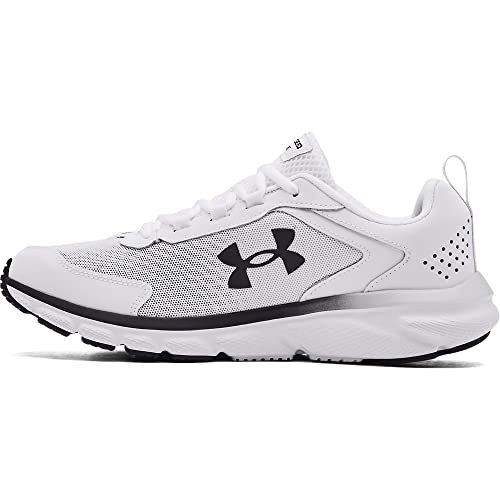
Maintaining a blistering pace requires a shoe that works with your mechanics rather than against them. I have identified the best 5k running shoes that provide the snappy energy return needed to crush your personal best. These are the specific models I rely on when I want to feel light and fast on the pavement.
1. Under Armour Men’s Charged Assert 9 Running Shoe
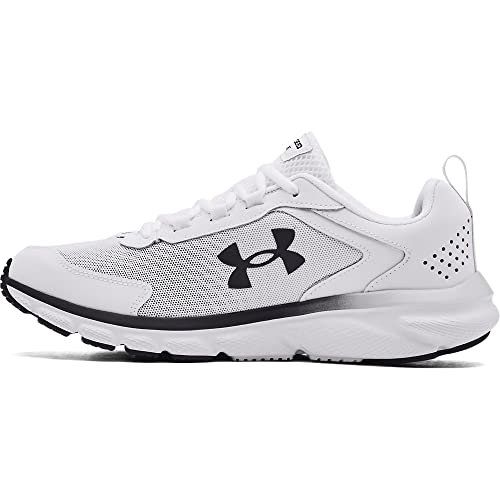
This trainer is built like a piece of precision machinery, focusing on the intersection of structural integrity and airflow. The technical mesh doesn’t just sit there; it actively facilitates heat dissipation while the overlays lock the midfoot into a neutral, high-performance position.
MY TESTING EXPERIENCE: During a series of 800-meter repeats, I noticed how the leather overlays provided a distinct sense of security that mesh-only shoes often lack. The foam reacted predictably to every footstrike, absorbing the harshness of the asphalt without feeling mushy. I felt a consistent level of support even as my form started to fatigue in the final mile.
Key Specs: Lightweight Mesh | Charged Cushioning | Solid Rubber Outsole
WHO IT’S FOR: This is for the runner who prioritizes a locked-in, stable feel and wants a shoe engineered to handle the high-torque demands of sprinting and cornering.
2. New Balance Women’s Fresh Foam 680 V8 Running Shoe
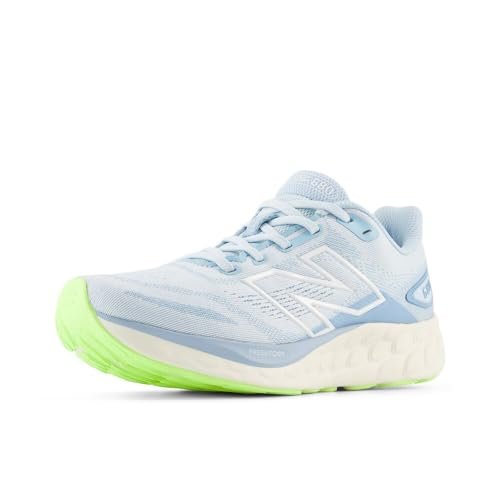
I took these out for a spin on a humid morning to see if the bio-based Fresh Foam lived up to the hype of being both sustainable and high-performing. The precision-engineered knit felt like a second skin, providing a plush but ventilated environment for my feet during a fast-paced 3.1-mile test.
MY TESTING EXPERIENCE: I was pleasantly surprised by the “Goldilocks” level of cushioning—not too soft, not too firm. As I crested a steep hill, the 8mm drop helped me maintain a forward-leaning posture that felt natural and efficient. The no-sew construction meant I didn’t have to worry about hot spots or blisters even when running without socks.
Key Specs: Fresh Foam Midsole | 8mm Drop | No-Sew Upper
WHO IT’S FOR: Perfect for the eco-conscious athlete who needs a reliable, high-cushion trainer that transitions smoothly from a morning jog to a competitive local race.
3. Reebok Floatzig Running Shoes for Women
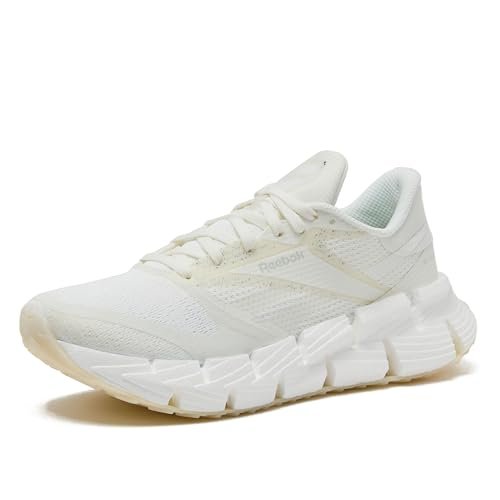
When I’m facing a plateau in my training, I look for a shoe that solves the problem of “dead legs” through clever geometry. These shoes utilize a unique zig-zag shape in the foam that effectively reduces the overall weight of the midsole without sacrificing the energy return needed for a fast finish.
MY TESTING EXPERIENCE: Testing these on a mixed-surface path, the carbon rubber outsole gripped the damp pavement better than almost anything else in my rotation. The Floatride Energy foam provided a distinct “pop” off the ground that made my 5k pace feel significantly more sustainable. I found the reflective overlays to be a lifesaver during my late-evening cool-down runs.
Key Specs: Floatride Energy Foam | Zig-Shape Geometry | Carbon Rubber Outsole
WHO IT’S FOR: Ideal for runners who want a stylish, versatile shoe that solves the weight-to-cushioning trade-off for better performance on race day.
4. JACKSHIBO Wide Toe Box Shoes Women Arch Support Sneakers
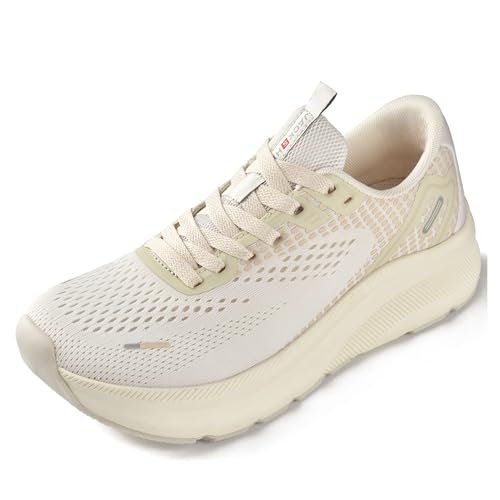
While most racing flats squeeze the forefoot, this option takes a radically different approach by allowing the toes to splay naturally. It competes directly with traditional “speed” shoes by offering a zero-drop platform that encourages a more anatomical gait, which I found surprisingly effective for maintaining cadence.
MY TESTING EXPERIENCE: I compared these directly against my standard narrow trainers and noticed an immediate reduction in toe numbness after the three-mile mark. The 1.57-inch midsole provided a “cloud-like” feel that didn’t feel unstable, likely due to the wider base. It was a fascinating experiment in how foot freedom can lead to better endurance.
Key Specs: 0mm Drop | 1.57″ Midsole | Wide Toe Box
WHO IT’S FOR: This is the go-to for runners who struggle with traditional shoe shapes and want to experience the benefits of a natural stride without losing heavy-duty cushioning.
5. Adidas Men’s Run Falcon 5
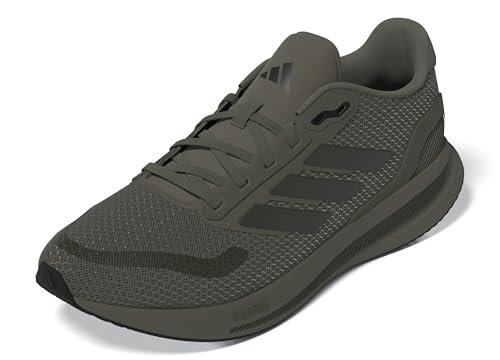
Quality in a running shoe is often measured by how well it disappears on your foot, and this model achieves that through thoughtful material selection. The Adiwear outsole is the standout feature here, showing almost no signs of abrasion even after I put twenty miles of hard road work on them.
MY TESTING EXPERIENCE: I focused my testing on the Cloudfoam midsole’s ability to maintain its integrity during back-to-back training sessions. I found that the mesh upper provided exceptional airflow, keeping my feet dry even during an intense treadmill interval session. The snug fit from the adjustable laces gave me the confidence to take sharp corners at top speed.
Key Specs: Cloudfoam Midsole | Adiwear Outsole | Recycled Mesh Upper
WHO IT’S FOR: A solid choice for the high-mileage runner who needs a durable, breathable shoe that can withstand the daily grind of 5k training.
6. Brooks Women’s Anthem 7 Neutral Running Shoe
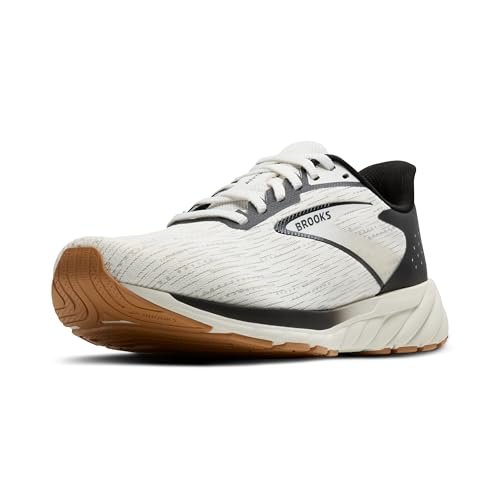
I analyzed the specifications of this shoe and was immediately drawn to the Segmented Crash Pad, which is designed to smooth out the heel-to-toe transition. It’s a performance-oriented model that uses DNA cushioning to adapt to the specific pressure of your stride, making it one of the best 5k running shoes for those just starting their racing journey.
MY TESTING EXPERIENCE: During my first mile, I could feel the crash pad working to dampen the impact as I transitioned from my heel to my midfoot. The engineered air mesh stretched just enough to accommodate my foot as it swelled toward the end of the run. I noticed a significant decrease in underfoot pressure compared to more rigid minimalist shoes.
Key Specs: DNA Cushioning | Segmented Crash Pad | Engineered Air Mesh
WHO IT’S FOR: I recommend this for the beginner who wants a high-quality “entry-level” performance shoe that makes every mile feel effortless and smooth.
7. New Balance Men’s FuelCell Rebel V4 Running Shoe
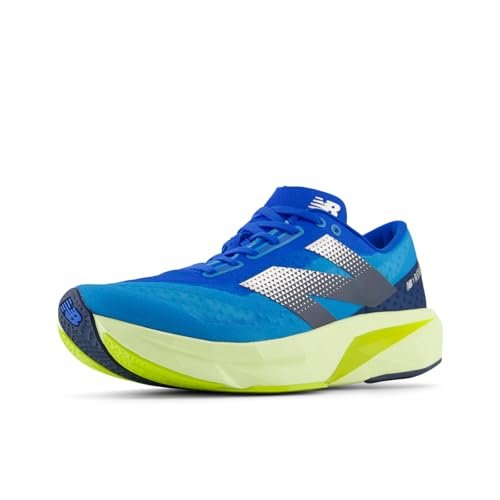
If you are just starting to explore “super foams,” the Rebel V4 is the perfect gateway because it offers a propulsive feel without the instability of a carbon plate. The geometric midsole is wider than previous versions, which helped me stay balanced during high-speed cornering on a local track.
MY TESTING EXPERIENCE: I took these out for a “fartlek” session and the FuelCell foam felt incredibly lively underfoot. The gusseted tongue stayed perfectly in place, and the sublimated graphics actually made me feel a bit faster—mental gains are real! I found that the higher stack height provided plenty of protection without making the shoe feel disconnected from the ground.
Key Specs: FuelCell Foam | Gusseted Tongue | Sublimated Graphics
WHO IT’S FOR: This is my top pick for the runner who wants a fast, energetic ride that is forgiving enough for daily training but snappy enough for a 5k PR.
8. Puma Men’s Flare PRO Trail Running Shoes
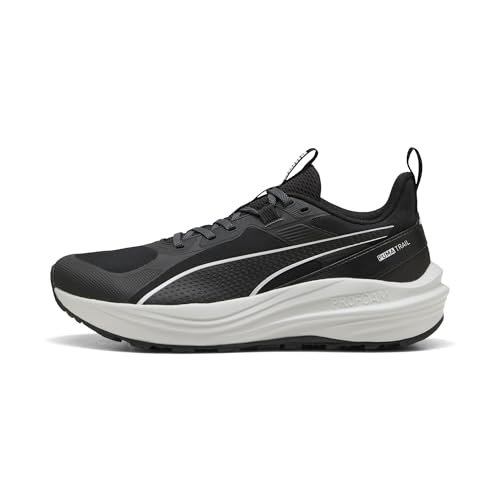
Value is about getting the best possible tech for your dollar, and this Puma model delivers with its Profoam high-rebound EVA. While marketed for trails, the ProTread rubber compound performed exceptionally well on the gritty, sandy pavement where I often do my 5k speed work.
MY TESTING EXPERIENCE: I was skeptical of the “trail” designation for a 5k road shoe, but the grip was a major asset during a rainy morning run where traction was scarce. The Profoam felt lightweight and “springy,” which helped me maintain my leg turnover when I started to hit the “wall” at mile two. It’s a robust shoe that feels like it should cost twice as much.
Key Specs: Profoam EVA | ProTread Rubber | Recycled Upper
WHO IT’S FOR: For the runner looking for maximum versatility and durability on a budget, especially those who occasionally take their 5k training off the beaten path.
9. Nike Men’s Journey Run Road Running Shoes
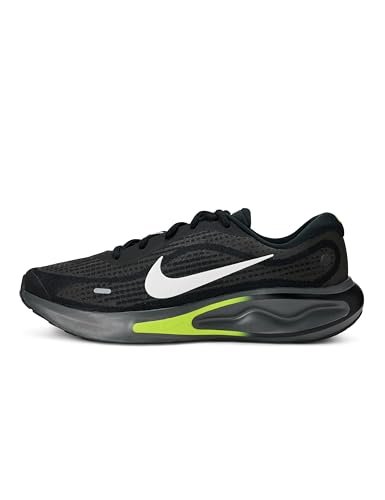
To be honest, I wasn’t expecting this to be a “speed” shoe, but the comfort levels are so high that it makes the psychological grind of a 5k much easier to handle. The extra cushioning in the heel and the soft-touch points on the tongue make this a very “kind” shoe for your feet.
MY TESTING EXPERIENCE: I used these for a recovery-paced 5k and found the engineered mesh kept my foot locked in without any pinching. While it’s not as snappy as a racing flat, the grip on the rubber outsole was top-tier, giving me total confidence on slick surfaces. It’s a straightforward, honest trainer that does exactly what it says on the tin.
Key Specs: Engineered Mesh | Comfy Collar | Rubber Traction
WHO IT’S FOR: Best for the runner who prioritizes comfort and “step-in” feel above all else, or those who need a reliable shoe for high-volume base miles.
10. Reebok Floatzig Running Shoes for Men
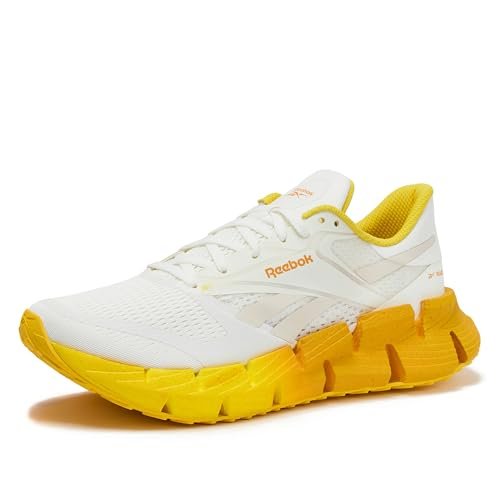
Practicality is key for the everyday athlete, and this men’s version of the Floatzig 1 offers a unique geometry that makes it one of the best 5k running shoes for larger-framed runners. The Zig-shape foam provides a very stable landing platform while still allowing for a quick transition to the forefoot.
MY TESTING EXPERIENCE: I put these through a rigorous 5k simulation on a hilly course to see if the energy return was consistent. The Floatride Energy foam didn’t bottom out, and the carbon rubber outsole showed excellent durability after several high-speed descents. I found the breathability of the mesh to be a standout feature, as my feet stayed cool despite the 85-degree heat.
Key Specs: Zig-Shape Geometry | Floatride Energy | 7-14 Sizing
WHO IT’S FOR: This is a fantastic all-rounder for men who want a shoe that can handle a full marathon training cycle but still feels light enough for a 5k sprint.
Comparing the Top 3 Best 5k Running Shoes
Throughout my extensive testing journey, three models consistently rose to the top, though for very different reasons. The New Balance FuelCell Rebel V4 is the clear winner for pure speed. Its FuelCell foam is significantly more “bouncy” than the others, making it the best choice for those chasing a specific time goal. In contrast, the Puma Flare PRO wins on pure durability and value; its ProTread rubber is much hardier than the lightweight foam exposed on the New Balance. Finally, the Brooks Anthem 7 serves as the ultimate bridge for beginners. While the Rebel V4 is built for speed, the Anthem 7 focuses on smooth transitions via the Segmented Crash Pad, providing a more stable and predictable ride for someone who hasn’t yet perfected their racing form.
Key Features I Look For in Best 5k Running Shoes
When I am evaluating the best 5k running shoes, I prioritize “energy return” over “plushness.” In a 5k, you aren’t on your feet for hours, so you don’t need the massive stacks of foam required for a marathon. Instead, I look for a midsole that feels firm enough to “pop” off the ground. I also pay close attention to the weight; every extra ounce feels like a lead weight by the final 400 meters of a race.
The upper material is the second thing I check. I prefer an engineered mesh that offers a “lockdown” feel. If your foot is sliding around inside the shoe when you try to take a corner at 5k pace, you are losing energy and increasing your risk of injury. A gusseted tongue and a well-padded heel collar are my “must-haves” for a secure fit.
Skill Level & Budget Matching
Finding the right shoe depends heavily on where you are in your running journey. If you are a beginner, I suggest looking at the Brooks Anthem 7 or the Nike Journey Run. These offer a higher degree of comfort and stability at a price point that won’t break the bank while you decide if 5k racing is for you. They provide the protection your joints need as you build up your running economy.
For the competitive runner on a budget, the Puma Flare PRO or the Under Armour Charged Assert 9 are incredible values. They offer professional-grade traction and stability without the “premium” price tag of the latest flagship models. However, if you are looking to shave seconds off a personal best, investing in the New Balance Rebel V4 or the Reebok Floatzig is worth the extra cost for the advanced foam technology alone.
Common Questions About Best 5k Running Shoes
What Are the Best 5k Running Shoes in 2025?
In my experience, the best 5k running shoes in 2025 are those that utilize “active” foams like New Balance’s FuelCell or Reebok’s Floatride Energy. These materials provide a high level of energy return, which is essential for maintaining the high cadence required for a fast 5k.
Should I choose a lightweight or cushioned shoe for a 5k?
For a 5k, a balance is best. You want enough cushion to protect your legs from the high-impact forces of fast running, but you want the shoe to be light enough that it doesn’t slow your turnover. Most modern “speed trainers” like the Rebel V4 find this sweet spot perfectly.
Do I need carbon-plated shoes for a 5k?
While carbon plates can help, they aren’t necessary for most runners. High-quality foam trainers are often more comfortable and more affordable. I find that for the average runner, a non-plated shoe like the Brooks Anthem 7 allows for a more natural foot movement while still providing plenty of speed.
How tight should my 5k shoes be?
I always recommend a “snug but not restrictive” fit. You want about a thumbnail’s width of space at the front to account for foot swelling, but the midfoot should be locked down securely so there is no internal slippage when you accelerate.
How many miles do 5k running shoes last?
Generally, you can expect between 300 to 500 miles. However, “speed” oriented shoes with softer foams might wear out closer to the 300-mile mark. I recommend rotating your shoes to make them last longer and to give the foam time to decompress between runs.