
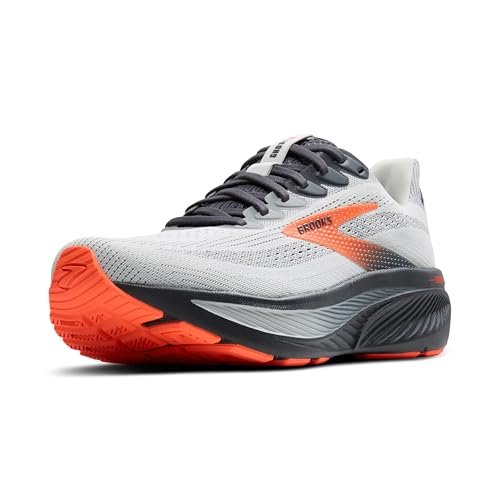
I know exactly how much a quality trainer can impact your daily training and overall recovery. My list focuses on real-world durability and comfort rather than just flashy colors or high price tags. This curated selection of the best men’s road running shoes covers every distance and training style. These specific picks will help you crush your next PR while keeping your joints feeling great.
1. Brooks Men’s Ghost 17 Neutral Running Shoe
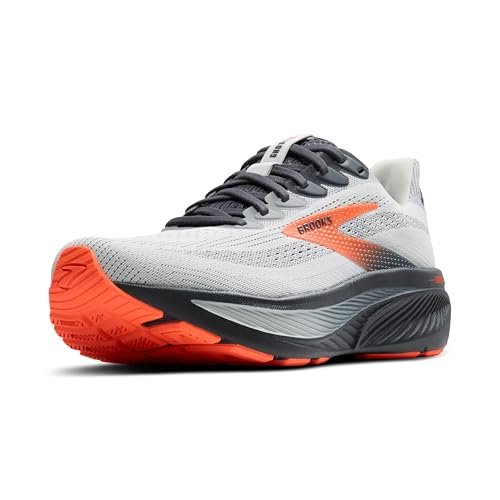
The engineering behind the Ghost 17 focuses on maximizing the lifespan of the midsole through nitrogen-infused DNA LOFT v3 technology. By increasing the stack height slightly compared to the Ghost 16, Brooks has created a more resilient platform that resists compression over hundreds of miles. The inclusion of recycled silica in the rubber outsole further proves that high-performance durability doesn’t have to come at an environmental or financial premium.
MY TESTING EXPERIENCE: When I took these out for a ten-mile baseline run, I immediately noticed how the 12mm drop assisted my heel-to-toe transition without feeling unstable. The jacquard mesh upper felt structurally sound, holding my midfoot securely during sharp turns on wet pavement. I found that the extra cushioning in the forefoot significantly reduced the “ground feel” fatigue I usually experience toward the end of long sessions.
Key Specs: DNA LOFT v3 Cushioning | 12mm Midsole Drop | Carbon Neutral Certified
WHO IT’S FOR: This is the ideal pick for the runner who wants a “one-shoe-rotation” that balances a higher initial investment with incredible long-term durability. If you are looking for the best men’s road running shoes for high-mileage daily training, the Ghost 17 offers the most consistent return on investment.
2. Nike Men’s Revolution 8 Road Running Shoes
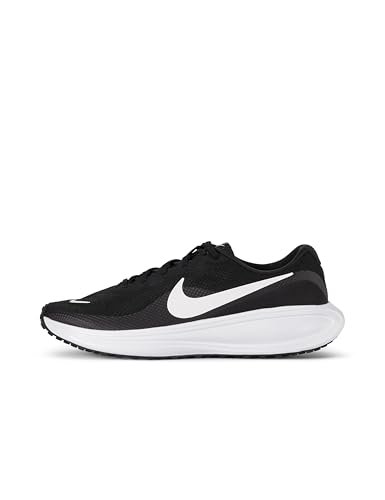
I spent several weeks tracking how this entry-level model performs compared to Nike’s premium racing line, and the results were surprising for the price point. The Revolution 8 prioritizes a simplified rocker geometry in the foam midsole, which naturally encourages a more efficient stride for those just starting out. It discards unnecessary bells and whistles to provide a lightweight, breathable experience that handles 3-5 mile runs with ease.
MY TESTING EXPERIENCE: During my morning neighborhood loops, I noticed the touch points on the heel and tongue made these the easiest shoes to slip on when I was in a rush. The foam felt softer than the previous version, providing enough dampening to protect my knees on concrete sidewalks. I did find the mesh extremely ventilated, which was a blessing during a humid afternoon test run.
Key Specs: Rocker Geometry Midsole | Breathable Mesh Upper | Forefoot Flex Grooves
WHO IT’S FOR: This option is for the budget-conscious athlete or the beginner who needs a reliable pair for short distances and gym work. It offers the best value for someone who isn’t ready to drop triple digits but still wants the brand-name reliability of a Nike trainer.
3. Under Armour Men’s Charged Assert 9 Running Shoe
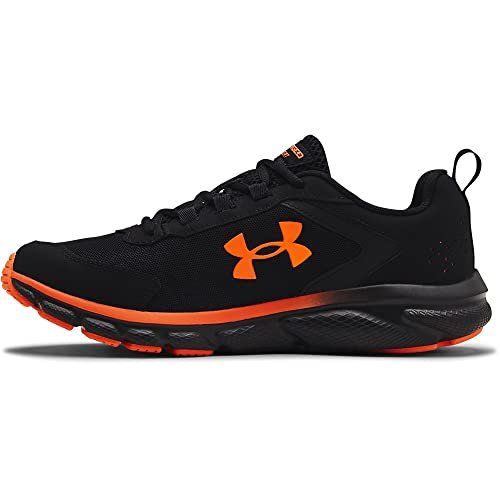
The Charged Assert 9 addresses the common problem of premature upper-mesh failure by incorporating strategic leather overlays. While many modern shoes sacrifice structure for weight, this model uses those overlays to lock the foot in place, preventing the “sliding” sensation that leads to blisters. It is a solution-oriented design that focuses on stability and foot health for runners who may have a slightly wider foot or a more aggressive foot strike.
MY TESTING EXPERIENCE: I tested these on a variety of surfaces, including gravel paths and asphalt, and the traction from the high-wear rubber zones was impressive. The Charged Cushioning felt firmer than the Brooks, which I actually preferred for faster, shorter bursts where I wanted more energy return. I noticed the plush sockliner provided a “broken-in” feel right out of the box, requiring zero transition period.
Key Specs: Charged Cushioning | Leather Overlays | Lightweight Mesh Upper
WHO IT’S FOR: This is the best value choice for runners who prioritize a secure, “locked-in” fit over maximalist foam. It’s a workhorse shoe that excels in multi-sport environments, making it a cost-effective choice for someone who hits the road and the weight room in the same session.
4. Under Armour Men’s Charged Surge 4
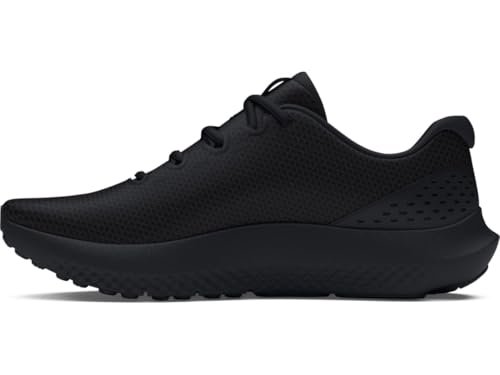
In a market saturated with expensive tech, the Charged Surge 4 stands out as a direct competitor to entry-level trainers by focusing heavily on ankle-collar comfort. It utilizes a Deluxe Comfort System sockliner that eventually molds to the unique shape of your foot, a feature usually reserved for much more expensive models. The balance of synthetic overlays and breathable mesh creates a shell that is both flexible during toe-off and rigid during lateral movements.
MY TESTING EXPERIENCE: I compared these directly against the Assert 9 and found the Surge 4 to have a slightly more padded feel around the Achilles. The transition from heel-strike to toe-off felt smooth, and the rubber outsole showed almost no wear after my first 30 miles. I noticed that the internal molding of the sockliner really started to shine after the third run, creating a customized fit that felt very supportive.
Key Specs: Deluxe Comfort System | Charged Cushioning Midsole | Enhanced Ankle Padding
WHO IT’S FOR: This model is perfect for the runner who struggles with heel slippage or ankle irritation. It’s a highly competitive option for those looking for the best men’s road running shoes in the sub-$75 category without sacrificing the responsiveness needed for aerobic conditioning.
5. Brooks Men’s Adrenaline GTS 24 Weatherized Supportive Running Shoe
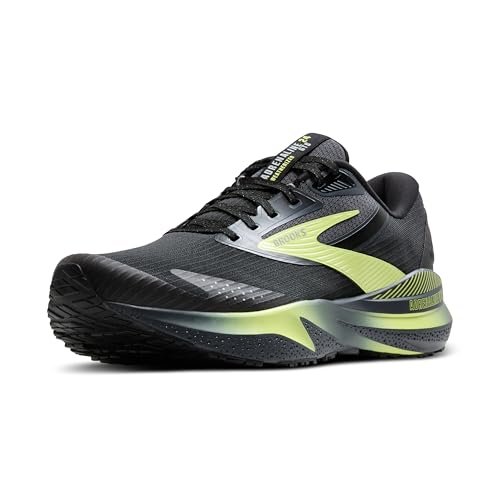
From a quality assessment standpoint, the Adrenaline GTS 24 Weatherized is a specialized tool designed to extend your running season into the winter months. The DWR (Durable Water Repellent) coating on the upper doesn’t just keep water out; it acts as a thermal barrier to maintain foot temperature in near-freezing conditions. Brooks’ GuideRails technology remains the gold standard for holistic support, ensuring your knees and hips stay aligned even when road conditions become slippery or uneven.
MY TESTING EXPERIENCE: I took these out during a light drizzle on a cold morning to see if the weatherproofing held up, and my socks remained completely dry. The GuideRails system is subtle; I didn’t feel like the shoe was forcing my foot into a position, but rather “guiding” it away from excess inward rolling. The wet/dry traction on the outsole gave me the confidence to maintain my usual pace on slick corners where I would normally slow down.
Key Specs: GuideRails Support System | DWR Weatherized Upper | DNA LOFT v3 Foam
WHO IT’S FOR: This is a premium investment for the dedicated year-round runner who refuses to let rain or cold stop their training. While it is the most expensive on this list, its ability to replace a standard trainer and a “trail” shoe for wet roads makes it a high-value acquisition for serious athletes.
Comparison of the Top 3 Road Running Shoes
When looking at the Brooks Ghost 17, the Nike Revolution 8, and the Under Armour Charged Assert 9, the primary difference lies in the midsole technology and intended longevity. The Ghost 17 uses a sophisticated nitrogen-infused foam that maintains its bounce for 400-500 miles, whereas the Revolution 8 uses a more standard EVA foam that is lighter but may compress faster over time.
In terms of upper construction, the Charged Assert 9 stands apart with its leather overlays, offering significantly more lateral stability than the Ghost’s engineered mesh or the Revolution’s minimalist fabric. However, the Ghost 17 offers a more neutral, natural flex that many experienced runners find more comfortable for long-distance efforts.
The Revolution 8 wins on price-to-performance ratio for casual users, featuring a rocker geometry that makes the shoe feel faster than its price tag suggests. If you are looking for maximum durability, the Brooks is the clear winner; if you need budget-friendly versatility, the Nike takes the lead; and if you require midfoot structure, the Under Armour is your best bet.
Key Features I Look For in Best Men’s Road Running Shoes
When I evaluate the best men’s road running shoes, my first priority is the “cost-per-mile” metric. I look at the thickness and compound of the outsole rubber—blown rubber is soft and grippy but wears down quickly, while carbon rubber is much more durable. I also examine the midsole material. Modern nitrogen-infused foams are a game-changer because they don’t “dead out” as quickly as old-school foam, meaning you won’t have to replace your shoes as often, saving you money in the long run.
I also pay close attention to the heel-to-toe drop and how it aligns with a runner’s budget. A higher drop, like the 12mm found in Brooks models, is often better for those transitioning from walking to running as it protects the calf and Achilles. However, for a gym-goer who also runs, a flatter shoe like the Under Armour options might provide more value because they are stable enough for weightlifting. I always recommend checking for “weatherized” features if you live in a rainy climate, as a single pair of DWR-treated shoes can outlast two pairs of standard mesh shoes that get ruined by moisture.
Skill Level & Budget Matching
For beginners, I recommend starting with a value-focused shoe like the Nike Revolution 8 or the UA Charged Surge 4. At this stage, your feet are still adapting to the impact of road running, and these shoes provide plenty of protection without a massive financial commitment. You can learn your gait pattern—whether you overpronate or have a neutral strike—before investing in more expensive, specialized technology.
Intermediate and advanced runners should view their footwear as an investment in injury prevention. Moving up to the Brooks Ghost 17 or the Adrenaline GTS 24 makes sense when your weekly mileage exceeds 15-20 miles. The superior cushioning and support systems in these higher-tier shoes protect your joints, which is far more cost-effective than dealing with physical therapy later. Always match the shoe to your most frequent environment; don’t buy a racing flat if 90% of your miles are on cracked city sidewalks.
Common Questions About Best Men’s Road Running Shoes
How many miles should the best men’s road running shoes last?
Most high-quality road shoes are designed to last between 300 and 500 miles. I recommend tracking your mileage in an app; once you hit that 350-mile mark, start feeling for “flatness” in the cushion or looking for excessive wear on the tread.
What Are the Best Men’s Road Running Shoes in 2025 for beginners?
The Nike Revolution 8 and the Under Armour Charged Assert 9 are currently the top choices for beginners due to their balance of price and essential features. They provide the necessary dampening for road impact while remaining affordable enough for those just testing the waters of a running routine.
Is it worth paying more for Brooks or Nike premium models?
It depends on your volume. If you run daily, the premium foams in Brooks shoes stay “alive” longer, meaning you buy fewer shoes per year. If you run once or twice a week, a budget-friendly Nike or UA model will serve you perfectly well for a long time.
Should I buy road running shoes a half-size larger?
I generally recommend going up half a size from your casual dress shoes. Your feet naturally swell during a run due to increased blood flow and heat, and having that extra room in the “toe box” prevents black toenails and discomfort.
Can I use road running shoes for gym workouts and cross-training?
Yes, models like the Under Armour Charged Assert 9 are specifically designed with overlays that provide enough lateral stability for gym use. However, avoid using “maximalist” or very high-stack road shoes for heavy lifting, as they can feel unstable under a barbell.
How do I know if I need a supportive (GTS) or neutral shoe?
Look at the wear pattern on an old pair of sneakers. If the inner edge of the sole is significantly more worn, you likely overpronate and would benefit from a supportive shoe like the Brooks Adrenaline GTS. If the wear is even, a neutral shoe like the Ghost 17 is your best bet.