
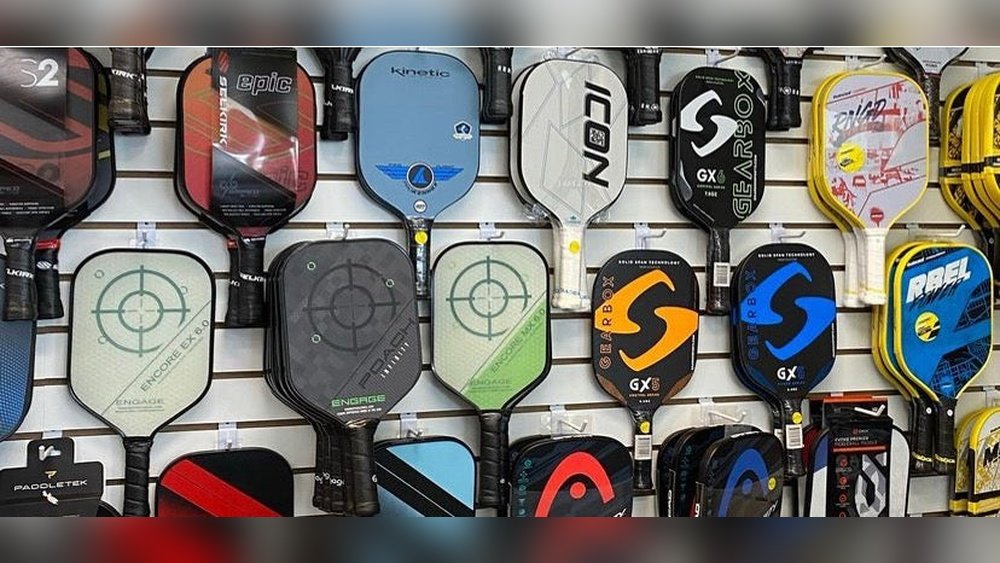
Pickleball is a fun sport for all ages. To play well, you need the right paddle. But how do you pick the best one? This guide will help you choose a pickleball paddle that fits your style and skill.
Credit: www.logotech.com
Why is Choosing the Right Paddle Important?
Your paddle affects your game a lot. It helps you hit the ball with power and control. A bad paddle can make the game hard and less fun. So, choose carefully.
Key Things to Think About When Choosing a Pickleball Paddle
- Weight
- Grip Size
- Paddle Shape and Size
- Core Material
- Surface Material
- Power vs. Control
- Price
1. Weight Of The Paddle
Paddles come in different weights. They usually weigh between 6 and 14 ounces. The weight affects how fast and how hard you can hit the ball.
Lighter paddles are easy to swing. They help you react fast and move the paddle quickly. Good for beginners or players who want less strain on their arms.
Heavier paddles give more power. They help you hit harder shots. But they can tire your arm faster. Best for players who want strong hits and have good arm strength.
2. Grip Size
The grip is the handle of the paddle. It should feel comfortable in your hand. If the grip is too small, your hand may slip or twist. If it is too big, you may lose control.
Grip sizes usually range from 4 to 4.5 inches in circumference. You can measure your hand or try paddles in the store. Pick a grip size that feels right and lets you hold the paddle firmly.
3. Paddle Shape And Size
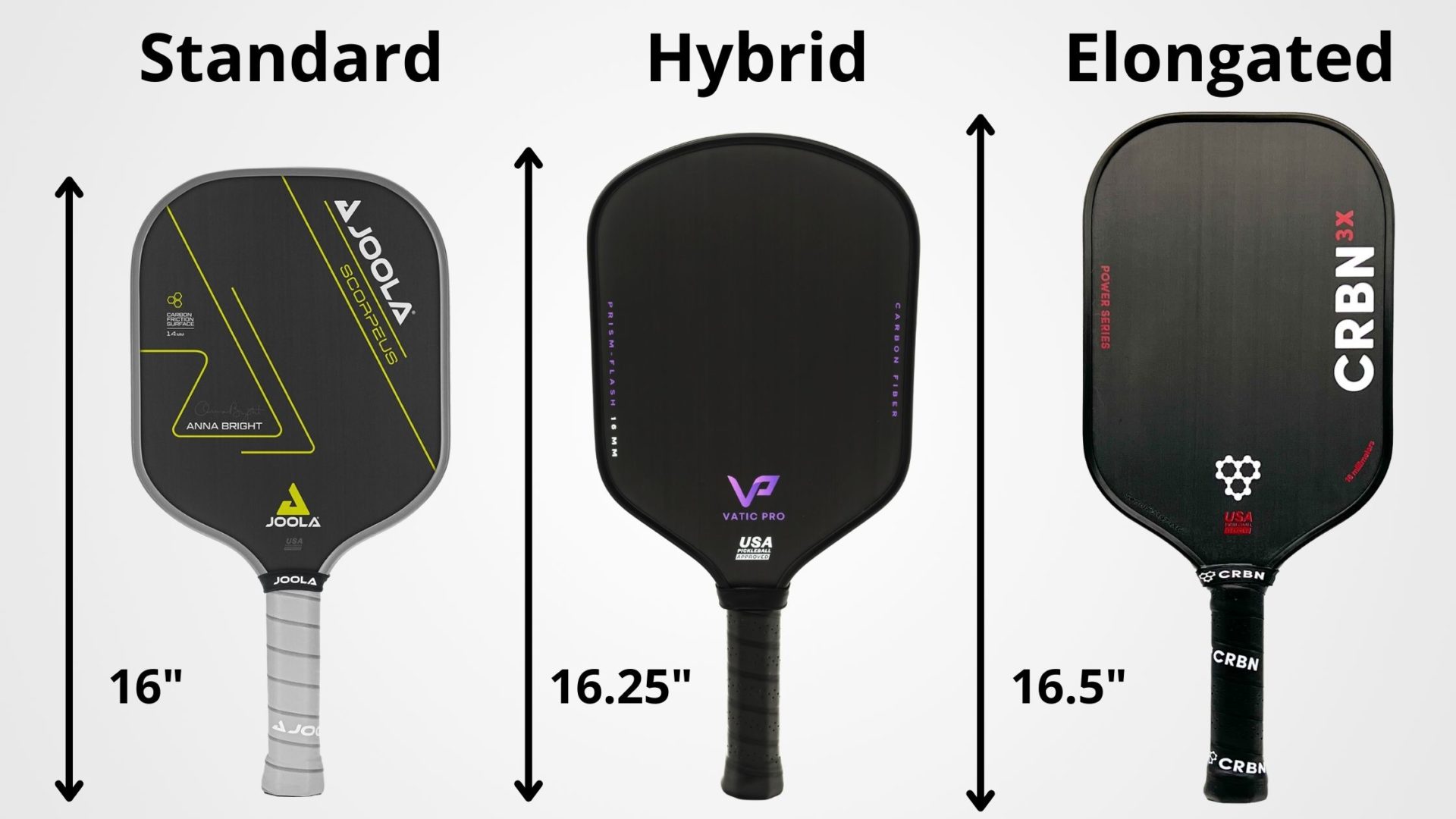
Paddles come in different shapes and sizes. The two main shapes are:
- Standard Shape: Wider face, larger sweet spot, easier to hit the ball well.
- Elongated Shape: Longer paddle, smaller sweet spot, more reach, good for advanced players.
The sweet spot is the best part of the paddle to hit the ball. A larger sweet spot helps beginners by making shots more forgiving.
4. Core Material
The core is the inside part of the paddle. It affects feel and performance. Common core materials include:
| Core Type | Feel | Best For |
|---|---|---|
| Polypropylene (Poly) | Soft, quiet, good control | Beginners and players who want control |
| Nomex | Hard, loud, more power | Power players and aggressive hitters |
| Aluminum | Medium hardness, balanced power and control | Intermediate players |
A thicker core absorbs more impact. It gives better control and a larger sweet spot. A thinner core returns energy faster. It gives more power and speed.
5. Surface Material
The paddle face is the outside surface. Common materials are:
- Composite: Made from fiberglass or carbon fiber. Offers good power and control.
- Wood: Heavy and less common today. Good for beginners on a budget.
- Graphite: Light and strong. Gives fast swings and good control.
The surface affects how much spin you can put on the ball. Carbon fiber paddles give more spin and speed.
6. Power Vs. Control
Think about your playing style. Do you want more power or more control?
- Power Paddles: Usually heavier and with thinner cores. Good for strong players who can create their own power.
- Control Paddles: Usually lighter and with thicker cores. Good for beginners and players who want precise shots.
Most beginners should choose paddles with more control. It helps with accuracy and reduces mistakes.
7. Price
Paddles vary in price from $20 to over $150. Expensive paddles often use better materials. They last longer and feel nicer.
But a high price does not always mean better for you. Beginners can start with affordable paddles. Focus on comfort and fit first.
Credit: pickleballeffect.com
How to Test a Pickleball Paddle Before Buying
It is best to try paddles before you buy. Visit a sports store or pickleball club. Hold the paddle in your hand. Swing it gently. Does it feel good?
Check the grip size. Is it comfortable? Try a few paddles to compare weight and shape. This will help you find the best fit.
Summary: Steps to Choose Your Perfect Pickleball Paddle
- Decide what weight feels comfortable for you.
- Measure your hand and pick the right grip size.
- Choose a paddle shape that matches your skill level.
- Pick a core material that suits your playing style.
- Choose a surface material based on power and spin needs.
- Balance your need for power or control.
- Set a budget and find the best paddle within it.
- Test the paddle before buying when possible.
Final Thoughts
Choosing a pickleball paddle is about comfort and play style. No one paddle is perfect for everyone. Take your time. Try different paddles. Find one that feels right.
With the right paddle, your pickleball game will be more fun. You will enjoy playing more and improve steadily. Happy playing!
Frequently Asked Questions
How Do I Know What Pickleball Paddle To Use?
Choose a pickleball paddle based on skill and play style. Beginners need lightweight, comfortable grips with larger sweet spots. Advanced players prefer paddles offering more power, speed, and precise control. Consider paddle core thickness for balance between control and power.
Test paddles to find your best fit.
Do I Want A 14mm Or 16mm Pickleball Paddle?
Choose a 14mm paddle for more power, speed, and maneuverability. Opt for 16mm for better control, a larger sweet spot, and softer feel. Beginners prefer 16mm; advanced players often select 14mm for aggressive play. Select based on your skill and playing style for optimal performance.
What Is The Difference Between T300 And T700 Pickleball Paddles?
The T300 paddle offers better control with a thicker core, ideal for beginners. The T700 has a thinner core, providing more power and speed for advanced players.
What Is The Most Forgiving Pickleball Paddle?
The most forgiving pickleball paddle has a thicker core, larger sweet spot, and absorbs impact well. It suits beginners and improves control.