
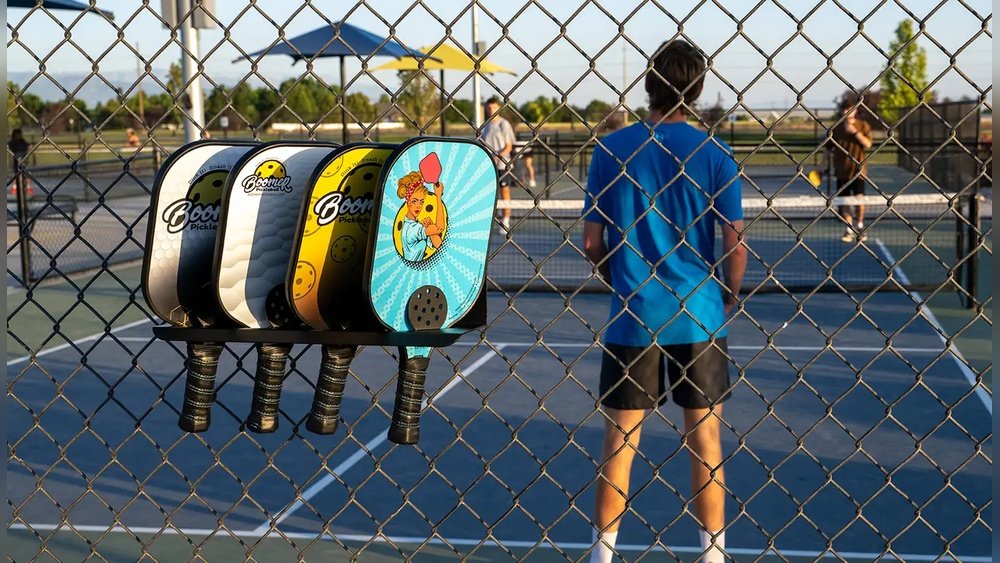
Starting pickleball is fun and exciting. But choosing your first paddle can feel hard. There are many paddles. Each paddle has different shapes, weights, and materials. It is important to pick the right paddle for you. This guide will help you choose a good paddle easily.
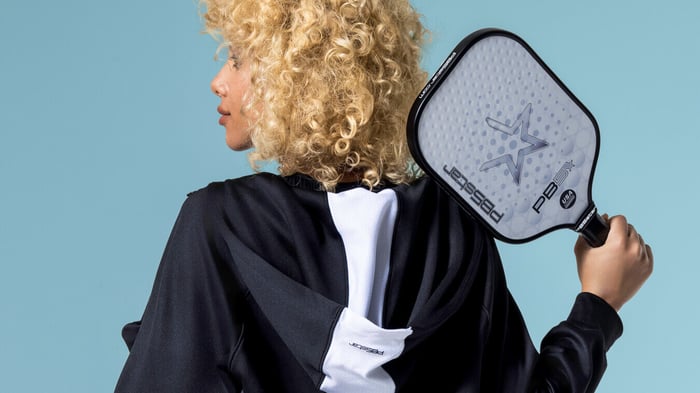
Credit: www.pb5star.com
Why is the Right Paddle Important?
The paddle you use affects how you play. A good paddle helps you hit the ball better. It makes the game more fun. A wrong paddle can make playing hard. It can cause mistakes or even hurt your hand. So, picking the right paddle is very important for beginners.
Main Parts of a Pickleball Paddle
Before choosing, know the paddle parts. It has three main parts:
- Face: The flat side that hits the ball.
- Core: The inside material that affects bounce and feel.
- Handle: The part you hold.
Each part changes how the paddle plays. We will talk about each part now.
Paddle Shape
Paddles come in different shapes. The two main shapes are:
- Standard Shape: Wide and round. Offers a large hitting area.
- Elongated Shape: Longer and narrow. Gives more reach but smaller hitting area.
For beginners, a standard shape is better. It has a bigger sweet spot. The sweet spot is the best place to hit the ball. A bigger sweet spot means fewer mistakes. You do not have to be perfect to hit well.
Core Material
The core is inside the paddle. It changes how the ball bounces and how the paddle feels. There are two common core types:
| Core Type | Description | Good for Beginners? |
|---|---|---|
| Polymer (Foam) | Soft core that absorbs shock. Gives control and comfort. | Yes. More forgiving and easier on the arm. |
| Nomex (Honeycomb) | Hard core that gives power. Less shock absorption. | No. It can be hard to control for beginners. |
Polymer core paddles help beginners with control. They absorb hits and feel softer. This helps when you learn to hit soft shots like dinks.
Face Material
The paddle face can be made from different materials:
- Graphite: Light and strong. Gives good control and power.
- Composite: Made from many materials. Usually heavier, but offers good durability.
- Wood: Heaviest and cheapest. Not common for regular play.
For beginners, graphite or composite faces are best. Graphite paddles are lighter and easier to swing. Composite paddles offer a little more weight and power but are still good.
Paddle Weight
Weight is very important. It affects how you swing and control the ball. Paddles usually weigh between 6 and 8.5 ounces.
| Weight | Feel | Best For |
|---|---|---|
| Light (6-7 oz) | Easy to swing and fast movement. | Beginners and players with arm pain. |
| Medium (7-8 oz) | Good balance of control and power. | Most beginners and intermediate players. |
| Heavy (8+ oz) | More power but slower swings. | Advanced players with strong arms. |
Beginners should choose light or medium weight paddles. Light paddles help with quick reactions and less arm strain.
Handle Length and Grip Size
The handle is the part you hold. It must fit your hand well. A wrong grip can cause pain or poor control.
To find your grip size:
- Use a ruler to measure from the middle crease of your palm to the tip of your ring finger.
- Match the measurement with paddle grip sizes.
Common grip sizes are 4 to 4.5 inches.
Tip: Beginners often prefer a grip size about 4 to 4.25 inches. This size fits most adults well.
Other Factors to Think About
- Noise: Some paddles are quieter. This is good for indoor play or neighborhoods.
- Price: Beginners do not need expensive paddles. A mid-price paddle works fine.
- Appearance: Pick a paddle you like to see. It makes playing more fun.

Credit: www.networldsports.com
Summary of Tips for Beginners
| Factor | Best Choice for Beginners | Why? |
|---|---|---|
| Shape | Standard (wide) | Bigger sweet spot, easier to hit the ball. |
| Core | Polymer (foam) | Absorbs shock, gives control, quiet. |
| Face Material | Graphite or composite | Lightweight and good control. |
| Weight | 6.5 to 7.5 ounces | Easy to swing, less arm fatigue. |
| Grip Size | 4 to 4.25 inches | Fits most hands, prevents injury. |
Final Thoughts
Choosing a pickleball paddle is simple if you know what to look for. Start with a paddle that feels comfortable. Don’t worry about power at first. Control is more important for beginners. Pick a paddle that matches your hand size and weight preference. Try to test paddles if you can. This helps find the best fit.
Remember, the right paddle helps you enjoy pickleball more. It makes learning easier and safer. Now, you can pick a paddle and have fun playing!
Frequently Asked Questions
Is A 14mm Or 16mm Pickleball Paddle Better For Beginners?
A 16mm pickleball paddle suits beginners better due to its larger sweet spot and increased forgiveness. It offers more control and shock absorption, helping improve consistency. A 14mm paddle provides more power but demands precise hits, making it less ideal for beginners learning the game.
How Do I Know What Pickleball Paddle Is Right For Me?
Choose a pickleball paddle by considering paddle shape, core and face material, weight, handle length, grip size, and your play style. Pick a paddle that feels comfortable and suits your control or power needs for better performance.
What Is The Most Forgiving Pickleball Paddle?
The most forgiving pickleball paddle has a thicker foam core and a larger sweet spot. It absorbs shock well, reducing mishits. The Joola Ben Johns Hyperion CFS is a top choice, offering stability, control, and a plush feel for consistent play.
What’s The Difference Between A Cheap And Expensive Pickleball Paddle?
Cheap pickleball paddles use basic materials, offering less control and durability. Expensive paddles feature advanced cores, better balance, larger sweet spots, and improved power and forgiveness for enhanced play.