
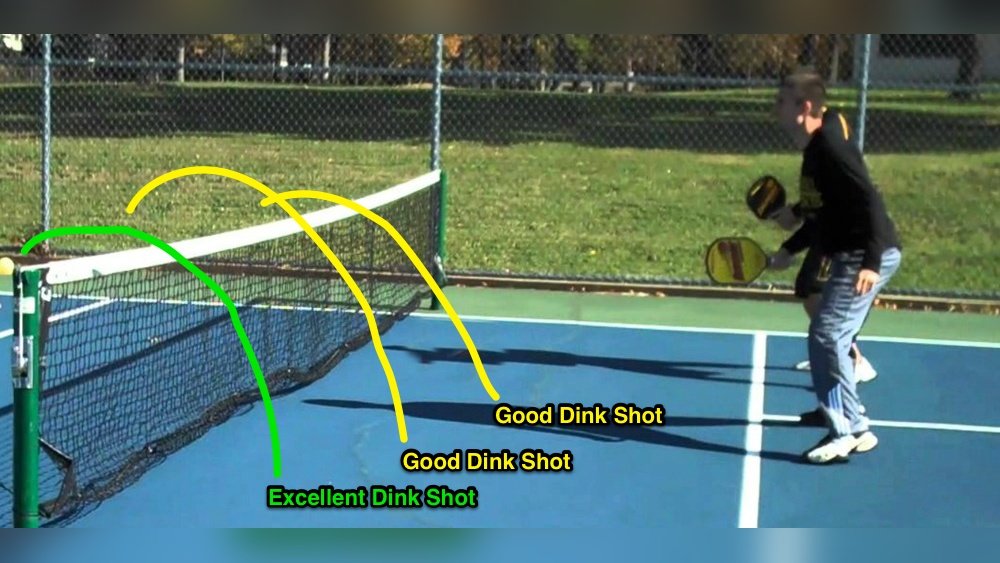
Pickleball is a fun sport played by many people. One important skill in pickleball is the dink. What is a dink? It is a soft, slow shot that just goes over the net. Dinking helps you control the game and make your opponent move.
What Is a Dink?
A dink is a gentle shot. It lands in a special place called the kitchen or non-volley zone. The kitchen is the area close to the net. When you dink, the ball moves slowly and stays low. This makes it hard for your opponent to hit hard.
Why Is Dinking Important?
- Dinking keeps the ball low and slow.
- It makes your opponent move forward and back.
- It helps you control the pace of the game.
- It can create openings for stronger shots later.
How to Hold Your Paddle for Dinking
The right paddle grip is important. Use the Continental grip. This grip is also called the “hammer grip.”
Why is the Continental grip good for dinking?
- It lets you switch quickly between forehand and backhand.
- It works well for soft shots like dinks.
- It helps you control the paddle easily.
To use this grip, hold the paddle as if you are holding a hammer. Your thumb and fingers wrap around the handle. This grip is natural and easy to use.
Steps to Dink in Pickleball
Follow these simple steps to dink well:
- Get close to the net: Stand near the kitchen line.
- Watch the ball: Keep your eyes on the ball as it comes.
- Hold your paddle up: Keep it ready in front of you.
- Use soft wrist movement: Gently push the paddle forward.
- Hit the ball softly: The ball should barely go over the net.
- Keep the ball low: A low ball is harder to return.
Important Rules for Dinking
There are some rules to follow when dinking:
- Never dink to the same spot more than twice in a row.
- Change your target to keep your opponent guessing.
- Keep your dinks inside the kitchen (non-volley zone).
- Avoid hitting the ball too hard or too high.
How to Vary Your Dinks
Varying your dinks is key to winning points. Try these tips:
- Hit to the left side, then to the right side.
- Mix in dinks to the middle of the court.
- Use soft dinks and a few slightly faster ones.
- Change the ball’s direction often.
This makes your opponent move more. They will find it hard to predict your next shot.
Common Dinking Mistakes to Avoid
Many players make these common mistakes:
- Stepping back and letting the ball bounce too much.
- Hitting the ball too hard or high.
- Dinking to the same spot repeatedly.
- Not keeping the paddle ready and steady.
- Using too much arm instead of wrist control.
Try to avoid these to become more consistent.
Practice Drills for Better Dinking
Practice is very important. Here are some drills:
| Drill | How to Do It | Why It Helps |
|---|---|---|
| Wall Dinks | Stand 6 feet from a wall. Dink the ball softly against the wall. | Improves control and touch. |
| Partner Dinking | Play near the net with a partner. Take turns dinking back and forth. | Builds consistency and timing. |
| Target Practice | Place targets in the kitchen. Try to dink the ball onto the targets. | Improves accuracy and aim. |
| Change Direction Drill | Dink to one side, then quickly dink to the other side. | Teaches quick changes and unpredictability. |
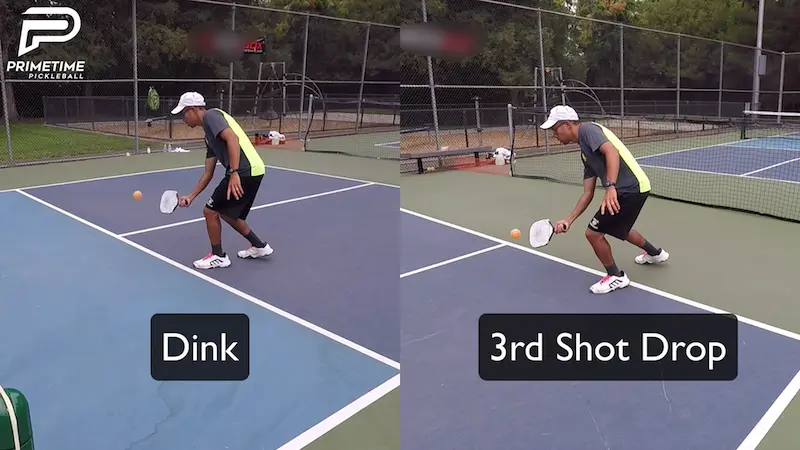
Credit: primetimepickleball.com
Tips for Successful Dinking
- Stay relaxed and use your wrist, not your arm.
- Keep your paddle face open, slightly tilted up.
- Watch your opponent’s position and move accordingly.
- Stay close to the kitchen line.
- Use small steps to adjust your position quickly.
- Keep your body balanced and ready.
How to Use Dinking in a Match
During a match, dinking helps you in many ways:
- It slows down the game when needed.
- It forces your opponent to move and make mistakes.
- It helps you set up stronger shots later.
- It creates pressure on your opponent at the net.
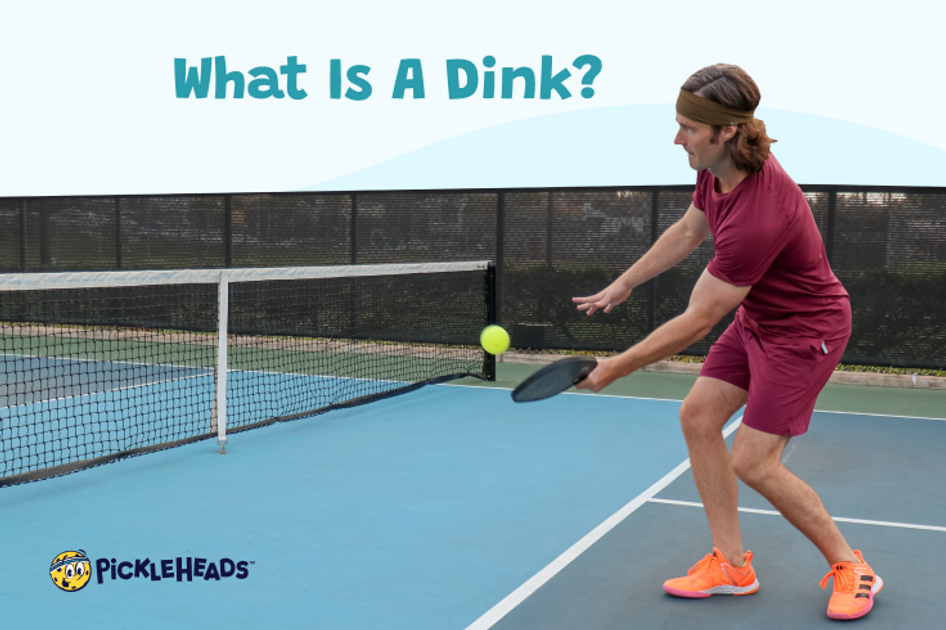
Credit: www.pickleheads.com
Summary
Dinking is a key skill in pickleball. It needs control, patience, and practice. Use the Continental grip for the best control. Stand near the net and hit soft, low shots into the kitchen. Change your target often to keep your opponent guessing. Avoid common mistakes like hitting too hard or repeating shots. Practice with drills like wall dinks and partner dinking. Follow these simple tips to improve your dinking skills and enjoy the game more.
Keep practicing, stay patient, and have fun playing pickleball!
Frequently Asked Questions
How Do You Hit A Dink In Pickleball?
To hit a dink in pickleball, use a soft, controlled shot with a Continental grip. Aim to land the ball in the opponent’s kitchen. Keep your paddle face open and gently push the ball over the net. Vary your dink placement to keep opponents guessing.
What Are Common Dinking Mistakes?
Common dinking mistakes include excessive movement, stepping back to let the ball bounce, and hitting the same spot repeatedly. Avoid these to maintain control and consistency in pickleball.
What Is The First Rule Of Dinking In Pickleball?
The first rule of dinking in pickleball is to never dink to the same spot more than twice consecutively. Vary your targets to keep opponents guessing and create openings. This strategy maintains unpredictability and control, improving your chances to win points in the non-volley zone.
What Grip Is Best For Dinking?
The Continental grip is best for dinking in pickleball. It allows quick forehand-backhand transitions and precise control. This versatile grip suits dinking, volleys, and defense, enhancing accuracy and consistency at the net. Use the Continental grip to improve your soft, controlled dinks effectively.