
Holding your pickleball paddle the right way is very important. It helps you play better and enjoy the game. Many new players do not know how to hold the paddle well. This guide will explain easy steps to grip the paddle. You will learn the most common and useful grip. It is called the Continental Grip. This grip works well for most shots in pickleball.
Why Is a Good Grip Important?
Your grip is how you hold the paddle handle. If your grip is wrong, you may miss shots or lose control. A good grip helps you hit the ball with power and accuracy. It also helps you change shots quickly. When you have a strong but relaxed grip, your wrist can move freely. This helps you play different types of shots easily.
Types of Pickleball Paddle Grips
There are a few grips you can use in pickleball. But the most common are:
- Continental Grip
- Eastern Grip
- Western Grip
We will focus on the Continental grip. It is simple and good for all players.
What Is the Continental Grip?
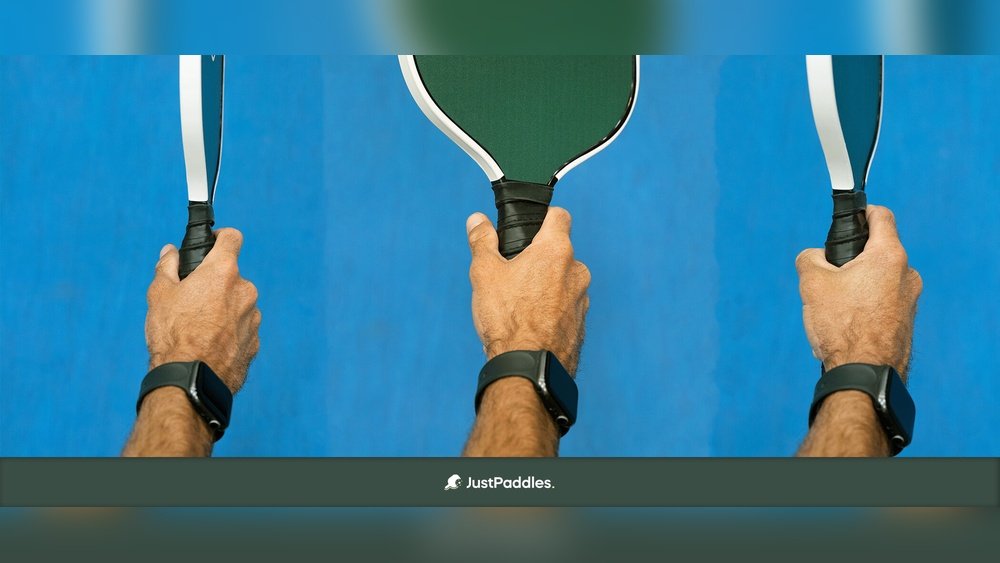
The Continental grip looks like you are shaking hands with the paddle. Your hand holds the handle like you hold a hammer. This grip gives you control and power. It helps you hit forehand, backhand, serve, and volley shots. It is the best grip to start with for beginners.
How to Find the Continental Grip: Step-by-Step
- Make a “V”: Put your thumb and index finger together. This makes a “V” shape.
- Find the right spot: For right-handed players, place the base knuckle of your index finger on the top-left bevel of the paddle handle. Left-handed players place it on the top-right bevel.
- Wrap your fingers: Wrap your other fingers around the handle. Your grip should be firm but not tight.
- Place your thumb: Let your thumb rest on the handle. It helps support your grip, especially for backhand shots.
- Hold the paddle at a slight angle: The paddle face should tilt a little upward. Avoid holding it like a hammer or table tennis paddle.
- Stay relaxed: Keep your grip relaxed. You want to move your wrist easily when hitting the ball.

Credit: www.justpaddles.com
Visualizing the Grip
| Right-Handed Player | Left-Handed Player |
|---|---|
| Base knuckle on top-left bevel | Base knuckle on top-right bevel |
| Thumb rests on handle | Thumb rests on handle |
| Fingers wrap comfortably around handle | Fingers wrap comfortably around handle |
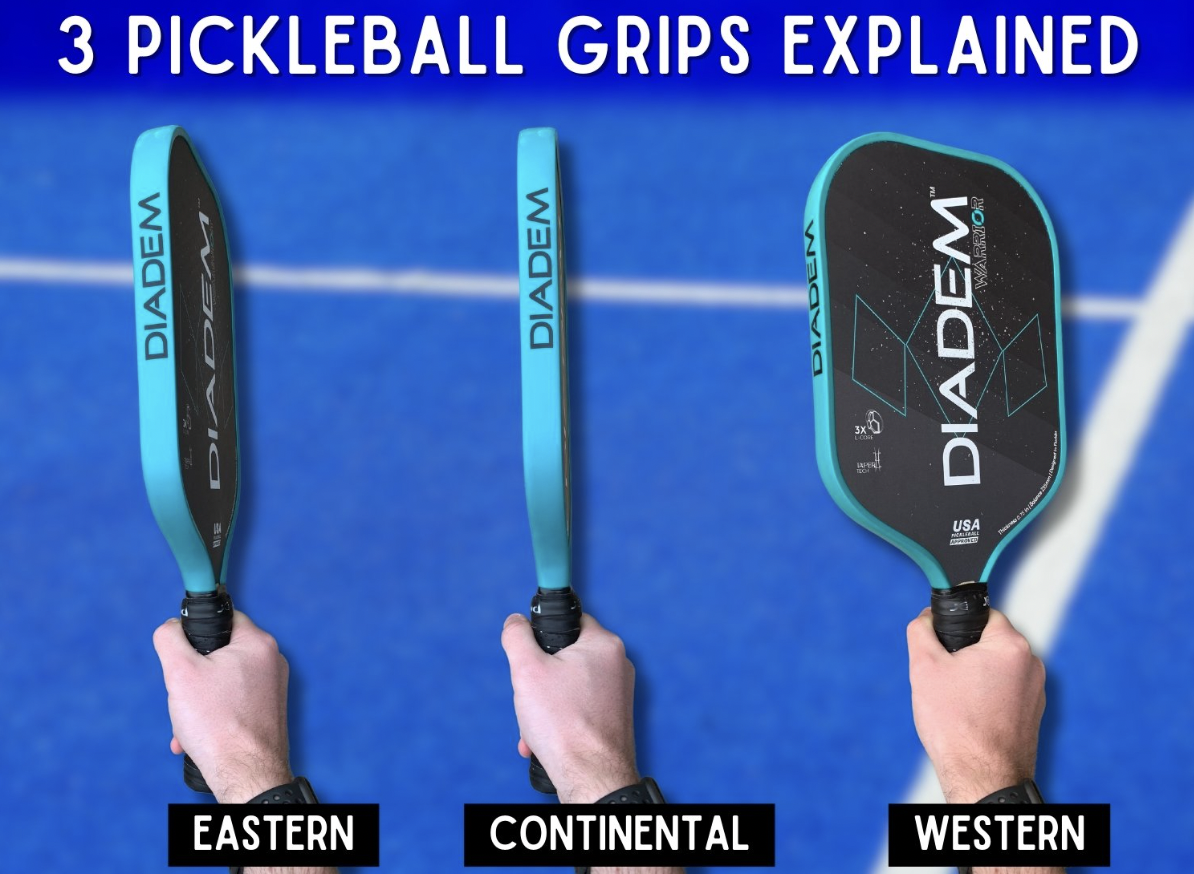
Credit: bepickleballer.com
Common Mistakes to Avoid
- Holding the paddle too tight. It makes your arm tired.
- Using a “hammer grip”. This limits wrist movement.
- Placing fingers too far up or down on the handle.
- Not resting the thumb on the handle.
- Holding the paddle flat or too vertical.
Why Keep Your Grip Relaxed?
A tight grip can make your hand hurt fast. It also stops quick wrist action. A relaxed grip lets you move your paddle fast. It helps you change shots easily during play. You can hit soft shots or strong shots with ease.
Using the Continental Grip in Different Shots
This grip works well for many shots in pickleball. Here are some examples:
- Serve: A good grip helps you serve the ball with control.
- Forehand: Hit the ball from your strong side with ease.
- Backhand: The grip supports your backhand swings well.
- Volleys: Quick shots near the net need a firm but relaxed grip.
- Smash: You can hit hard smashes by adjusting the grip angle.
How to Change Your Grip Quickly
Sometimes, you need to change your grip fast during the game. For example, switching from forehand to backhand. The Continental grip makes this easy. Your hand can slide slightly on the handle without losing control. Practice moving your hand on the paddle handle. This helps you play better in real games.
Tips to Practice Your Grip
- Hold the paddle and shake hands with it.
- Practice swinging slowly with the grip.
- Try hitting the ball with forehand and backhand.
- Play easy games to feel the grip comfort.
- Watch videos of players holding the paddle.
Benefits of Using the Continental Grip
| Benefit | Explanation |
|---|---|
| Versatility | Works for most shots in pickleball. |
| Easy to learn | Simple hand position for beginners. |
| Control | Helps you place the ball where you want. |
| Power | Allows good force behind your hits. |
| Quick changes | Easy to adjust for different shots. |
Other Grips You Can Try Later
Once you know the Continental grip, you can explore others. The Eastern grip feels different and suits some forehand shots. The Western grip is less common but used by some players for strong topspin. Start with Continental. Then try new grips slowly as you get better.
Summary
Gripping your pickleball paddle right is key for fun and good play. The Continental grip is best for most players. It is like shaking hands with the paddle. Keep your grip firm but relaxed. Your thumb should rest on the handle. Hold the paddle at a small angle. Practice this grip a lot. Avoid tight or wrong hand positions. This grip helps you hit all types of shots. You can change grips fast during the game. Remember, a good grip makes pickleball easier and more enjoyable.
Frequently Asked Questions
What Is The Correct Way To Hold A Pickleball Paddle?
Hold the pickleball paddle using a continental grip, like shaking hands with it. Place your index finger’s base knuckle on the top-left bevel (right-handed) or top-right bevel (left-handed). Wrap other fingers comfortably, keep a slight upward angle, and maintain a relaxed but firm grip for control.
How To Put Grip On A Pickleball Paddle?
Hold the paddle like shaking hands, using the continental grip. Place your index knuckle on the handle’s bevel. Wrap fingers comfortably and keep a relaxed, firm grip. Angle the paddle slightly upward for better control and shot versatility. Adjust grip as needed during play.
What Are The 5 P’s Of Pickleball?
The 5 P’s of pickleball are Preparation, Positioning, Patience, Power, and Precision. These key elements improve gameplay and strategy. Focus on each to enhance skills and win matches efficiently.
What Is The Right Grip For Pickleball?
The right grip for pickleball is the continental grip, similar to shaking hands with the paddle. Place your index finger’s base knuckle on the top-left bevel (right-handed). Wrap fingers comfortably, keep a relaxed hold, and angle the paddle slightly upward for control and versatility.