
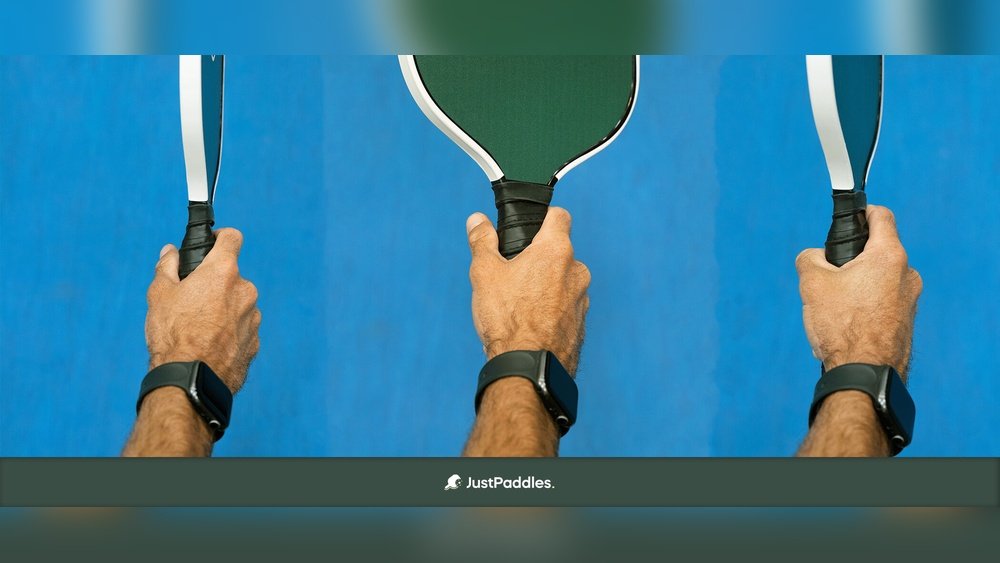
Pickleball is a fun sport. It is easy to learn and play. One important skill is how to hold the paddle. Holding the paddle correctly helps you play better. It also protects your hand from pain. In this article, we will explain simple steps to hold your pickleball paddle the right way.
Why Does Holding the Paddle Matter?
If you hold the paddle wrong, it can be hard to hit the ball well. You may lose control or miss the ball. If you hold it too tight, your hand can get tired fast. Holding the paddle right helps you play with control and comfort. It lets you hit different shots easily.
The Best Way to Hold a Pickleball Paddle
The best way is called the continental grip. It is like shaking hands with the paddle. This grip is easy to learn. It works well for all types of shots. You do not need to change your grip a lot during the game.
Step-by-step Guide To The Continental Grip
- Find the “V”: Hold the paddle handle. Look at your thumb and index finger. They make a “V” shape.
- Place your knuckle: For right-handed players, put the base knuckle of your index finger on the top-left edge of the paddle handle. For left-handed players, put it on the top-right edge.
- Wrap your fingers: Let the rest of your fingers wrap comfortably around the handle. Your thumb should rest on the handle’s side. This helps when you hit backhand shots.
- Keep a slight angle: Hold the paddle so it points a little upward. Do not hold it like a hammer or a table tennis paddle. This angle gives better control.
- Stay relaxed: Your grip should be firm but not too tight. If you squeeze too hard, your arm gets tired. Relax and keep your hand ready to move.
How to Check Your Grip
Try to shake hands with the paddle. Your hand should feel natural. The paddle handle fits well in your palm. Your thumb and fingers work together. You should feel ready to move the paddle in any direction.
Benefits of the Continental Grip
| Benefit | Why It Helps |
|---|---|
| Versatility | Use it for forehands, backhands, volleys, and dinks. |
| Quick Reactions | Allows fast moves to hit the ball on either side. |
| Better Control | The slight angle helps you guide the ball well. |
| Comfort | Keeps your hand relaxed and reduces fatigue. |
Common Mistakes to Avoid
- Holding the paddle too tight: This makes your arm tired fast.
- Using a hammer grip: Holding the paddle like a hammer limits control.
- Wrong knuckle position: Not placing your index finger knuckle on the correct edge reduces grip stability.
- Flat paddle angle: Holding the paddle flat makes it hard to move quickly.
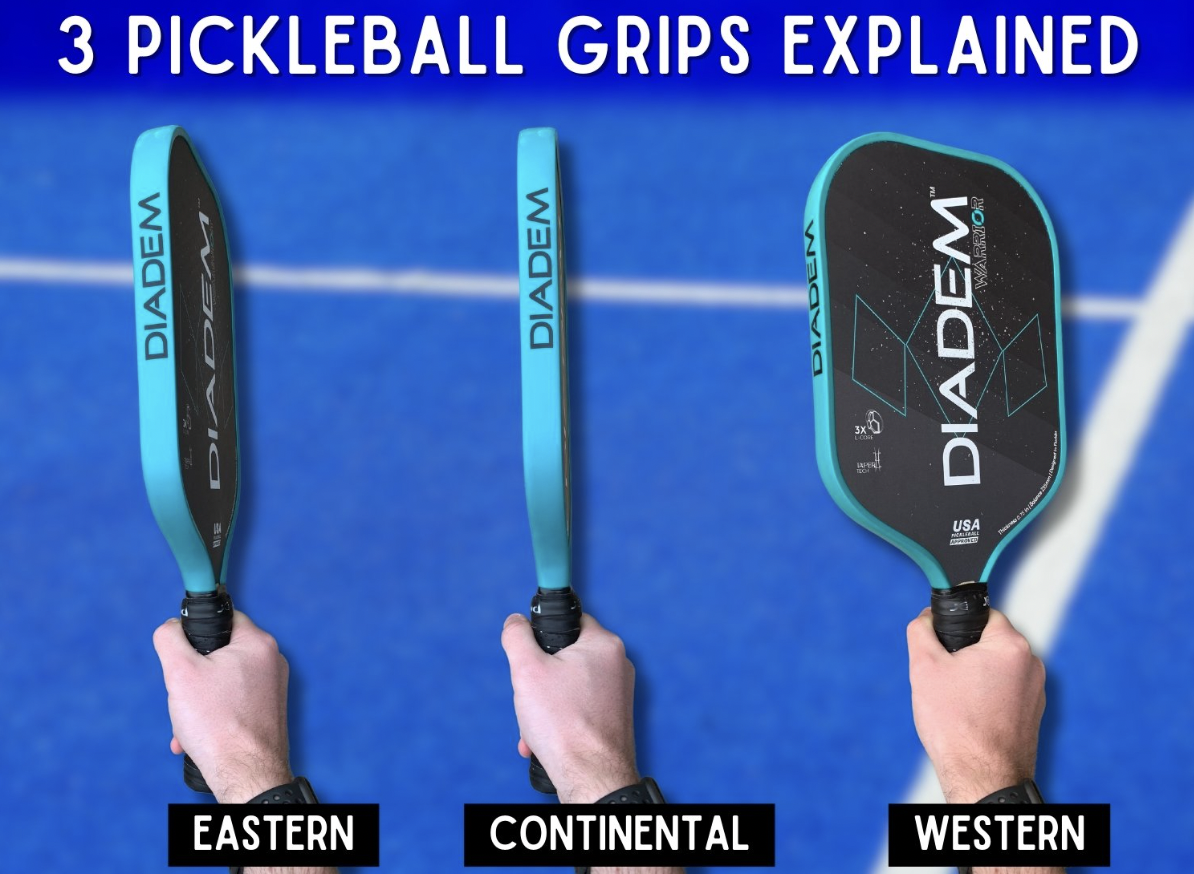
Credit: bepickleballer.com
Tips to Improve Your Paddle Grip
- Practice the continental grip slowly at first.
- Check your grip before each game.
- Keep your hand relaxed during play.
- Change your grip slightly for different shots if needed.
- Watch videos of players holding the paddle.
How to Hold the Paddle for Different Shots
The continental grip is good for most shots. But sometimes, you can adjust your grip a little. For example:
- Forehand shot: Hold the paddle as explained. Your palm faces the net.
- Backhand shot: Use the same grip but turn your wrist a bit. Your thumb supports the paddle.
- Volley: Keep the paddle up and ready. Use the continental grip for quick moves.
- Dinks: Hold the paddle steady with a slight angle. This helps control soft shots.

Credit: www.justpaddles.com
Practice Exercise for Holding the Paddle
Try this simple exercise to feel the right grip:
- Hold the paddle with your dominant hand.
- Shake hands with the paddle handle.
- Check that your index knuckle is on the correct edge.
- Wrap your fingers and thumb around the handle.
- Move the paddle up and down slowly.
- Keep your grip relaxed but firm.
Repeat this exercise every day for a few minutes.
How to Hold the Paddle if You Are Left-Handed
If you are left-handed, the steps are the same. Just place your index finger knuckle on the top-right edge of the paddle handle. Everything else stays the same. This way, your grip will feel natural and strong.
Summary
Holding the pickleball paddle correctly helps you play better. The continental grip is the best way to hold your paddle. It feels like shaking hands. Your index finger knuckle sits on the top-left or top-right edge. Wrap your fingers comfortably around the handle. Keep the paddle at a slight upward angle. Stay relaxed and firm. Avoid gripping too tight or holding it like a hammer. Practice this grip often. It helps you hit different shots with control and ease.
With time, holding the paddle will feel natural. You will enjoy playing pickleball more. Try these steps in your next game.
Frequently Asked Questions
What Is The Correct Way To Hold A Pickleball Paddle?
Hold the pickleball paddle using the continental grip, like shaking hands with it. Place your index finger’s base knuckle on the top-left bevel (right-handed) or top-right bevel (left-handed). Wrap fingers comfortably around the handle, keep the grip relaxed, and tilt the paddle slightly upward for better control and quick reactions.
What Is The Golden Rule Pickleball?
The golden rule in pickleball requires the serve to be underhand and hit below the waist. Players must keep both feet behind the baseline during the serve. This rule ensures fair play and consistent game flow. Following it helps players avoid faults and score points effectively.
What Is The Best Pickleball Paddle Grip?
The best pickleball paddle grip is the continental grip. It mimics a handshake, offering versatility and control. Place your index finger’s base knuckle on the paddle’s top bevel, wrap fingers comfortably, hold at a slight upward angle, and keep a relaxed, firm grip for quick reactions.
What Are The 5 P’s Of Pickleball?
The 5 P’s of pickleball are: Position, Paddle, Power, Placement, and Patience. Mastering these improves gameplay and strategy.