
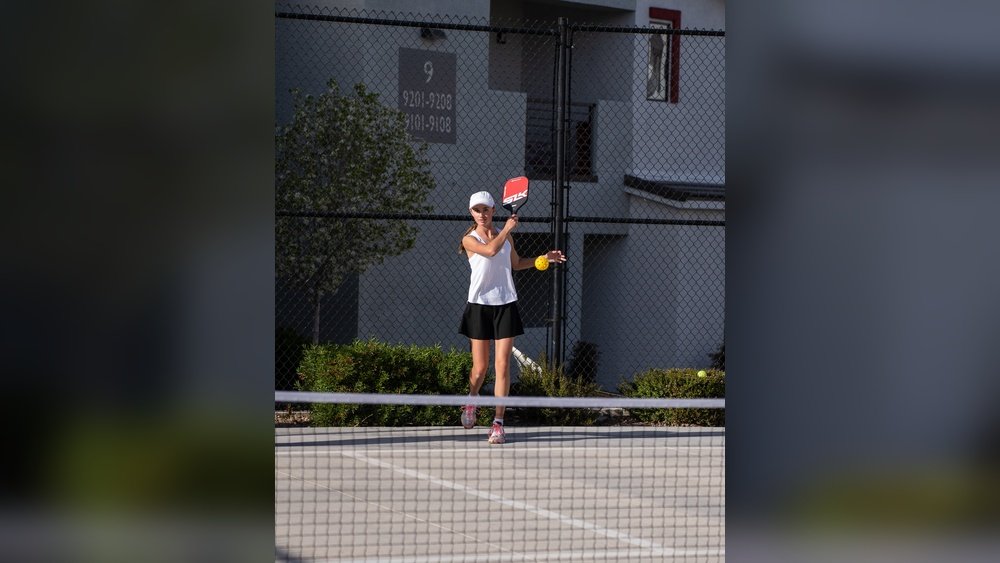
Pickleball is a popular sport that many people enjoy. If you are new to pickleball, you might wonder about some of its rules. One question often asked is, “Is there a let in pickleball?” This article will explain what a let means in pickleball. It will also compare pickleball to other sports like tennis. You will learn the rules about serves and what happens if the ball touches the net.
What is a Let in Sports?
In sports like tennis, a let happens when the serve touches the net but lands in the right area. The player gets to serve again. This rule helps players because the net can sometimes block the ball by accident. The referee calls a let to make sure the game is fair.
But, is this the same in pickleball? Let’s find out.
Is There a Let in Pickleball?
In pickleball, the rules are a bit different. For most games, there is no official let rule like in tennis. This means if the serve hits the net and lands in the right place, the ball is still in play. You do not get a second chance to serve.
However, in some professional pickleball matches, the rules may allow a replay of the serve if it hits the net and lands in the correct area. This is a special case and not common in regular play.
Summary Of Let In Pickleball
| Type of Play | Let Rule on Serve |
|---|---|
| Recreational or Amateur | No let. Serve continues if ball lands in service box. |
| Professional Matches | Let serve may be allowed. Serve is replayed. |
How Does the Serve Work in Pickleball?
Before understanding the let rule, it is good to know how serving works. The serve is the first hit to start a point. Here are the key rules for a legal pickleball serve:
- Underhand motion: The paddle moves upward when hitting the ball.
- Contact point: The ball must be hit below the waist.
- Foot position: One foot must stay behind the baseline when serving.
- Diagonal serve: The ball must go diagonally to the opponent’s service box.
- Landing spot: The ball cannot land in the kitchen (non-volley zone) on the serve.
- One attempt only: You get only one chance to serve.
If the serve does not follow these rules, it is a fault, and the serve is lost.
What Happens if the Ball Hits the Net on Serve?
In pickleball, if the serve hits the net and then lands in the right diagonal service box, the play continues. It is not a fault. The ball is good, and the rally goes on.
But if the serve hits the net and lands outside the service box, it is a fault, and the server loses their chance.
Example Of Serve Hitting The Net
| Situation | Result |
|---|---|
| Serve hits net, lands in service box | Play continues, no fault |
| Serve hits net, lands outside service box | Fault, serve lost |
Is There a Voice Let in Pickleball?
In tennis, sometimes players say “let” out loud to stop play. This is called a voice let. In pickleball, there is no official voice let rule. Players do not say “let” to stop play during a serve.
If players think there is a problem, they usually talk and agree on what to do. But no official voice let exists in pickleball rules.
Why Does Pickleball Not Use Lets Like Tennis?
Pickleball is faster and has different rules than tennis. The serve rules are simpler. Because of this, players get only one serve attempt. This helps the game move quickly.
If the ball hits the net and lands in the right place, the player does not get a second chance. This rule makes players focus on a good serve every time.

Credit: www.pickleheads.com
Types of Legal Serves in Pickleball
There are two main ways to serve in pickleball:
- Volley Serve: The player hits the ball out of the air before it bounces.
- Drop Serve: The player drops the ball and hits it after it bounces.
Both types must follow the basic serve rules mentioned earlier. The serve must always go diagonally and land outside the kitchen.

Credit: www.pickleheads.com
Common Serve Faults in Pickleball
Here are some common reasons a serve is a fault:
- Ball hits the net and lands in the kitchen.
- Ball lands outside the opponent’s service box.
- Server’s foot crosses the baseline before hitting the ball.
- Ball is hit above the waist.
- Ball is hit with a downward paddle motion.
If a serve is a fault, the server loses their turn. In doubles, both players get to serve before the serve goes to the other team.
Summary: What You Need to Know About Let in Pickleball
- Pickleball has no official let rule like tennis.
- If the serve hits the net but lands in the service box, play continues.
- In pro games, a let serve may be replayed, but this is rare.
- Players do not say “let” to stop play in pickleball.
- Only one serve attempt is allowed per turn.
- Serve must be underhand and hit below the waist.
Final Thoughts
Understanding the rules helps you enjoy pickleball more. Knowing there is no let in pickleball means you must be ready for any serve. If the ball hits the net on serve but lands well, keep playing. This rule keeps the game fast and fun for everyone.
Practice your serve to avoid faults. Remember, only one chance is allowed. Good luck and enjoy playing pickleball!
Frequently Asked Questions
Is There A Voice Let In Pickleball?
Pickleball has no official “let” call like tennis. Recreationally, net-served balls landing past the kitchen continue play. In pro matches, such serves get replayed. The serve must be underhand, below the waist, and land diagonally in the correct service box.
What Are The Rules For Let Serves In Pickleball 2025?
In 2025, let serves in pickleball are replayed only in professional matches. Recreational play continues without penalty. The serve must be underhand, below the waist, and land diagonally in the correct service box. Only one serve attempt is allowed per turn.
What Is A Let Cord In Pickleball?
A let cord in pickleball occurs when the served ball touches the net but still lands in the correct service box. Recreational play continues, while professional play requires a replay of the serve. This rule differs from tennis, where vocal lets can stop play.
Is There An Illegal Serve In Pickleball?
An illegal pickleball serve occurs if the paddle hits the ball above the waist, the ball lands outside the diagonal service box, or the server steps over the baseline. The serve must be underhand, below the waist, and land in the proper service area.
Only one serve attempt is allowed.