
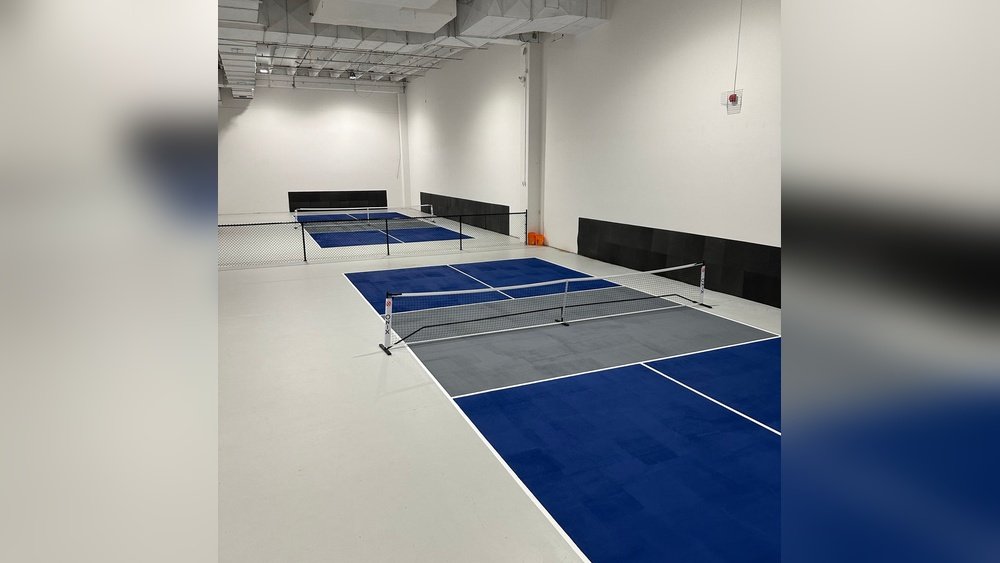
Pickleball is a popular sport played by many people worldwide. The court is a big part of the game. But what are pickleball courts made of? In this article, we will talk about the different materials used to build pickleball courts. We will also explain the pros and cons of each material. This will help you understand what makes a good pickleball court.
Why Does the Court Surface Matter?
The court surface affects how the ball bounces and how players move. A good surface helps players enjoy the game more. It also makes the game safer by reducing injuries.
Different materials give different bounce and grip. Some surfaces are harder, and some are softer. Each material has its own benefits and problems. Knowing these can help you pick the right surface for your needs.
Main Materials Used for Pickleball Courts
Most pickleball courts use hard surfaces. The three main types are:
- Concrete
- Asphalt
- Acrylic coatings
Other options include post-tension concrete, wood, rubber, and modular tiles.
Concrete Courts
Concrete is one of the most common materials for pickleball courts. It is very strong and lasts a long time.
| Pros of Concrete | Cons of Concrete |
|---|---|
| Very durable and long-lasting | More expensive to build |
| Provides consistent and predictable ball bounce | Takes longer to install |
| Works well with acrylic coatings | Hard surface may be tough on joints |
Concrete courts are often used for outdoor play. They handle weather well. But the hard surface can feel tough on knees and ankles over time.
Asphalt Courts
Asphalt is another popular base for pickleball courts. It is cheaper than concrete and easier to install.
| Pros of Asphalt | Cons of Asphalt |
|---|---|
| More affordable than concrete | Needs more maintenance |
| Softer surface, easier on joints | Can crack in hot weather |
| Quicker to install | Surface may wear faster |
Asphalt courts are softer, which helps players’ joints. But they need repairs more often. Hot temperatures can cause cracks and damage.
Acrylic Coatings
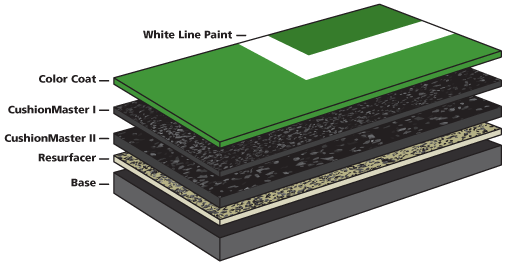
Acrylic is not a base material but a top layer. It is usually applied over concrete or asphalt. This layer gives a smooth, colorful surface.
| Pros of Acrylic | Cons of Acrylic |
|---|---|
| Improves grip for players | Increases total cost |
| Provides shock absorption | Needs re-coating over time |
| Helps control ball speed |
Acrylic makes the court safer and more comfortable. Many professional pickleball courts have acrylic surfaces. It also adds color and style to the court.
Credit: www.sportmaster.net
Other Court Material Options
Besides the main materials, some courts use other types of surfaces. These include:
- Post-Tension Concrete: This is a special concrete with steel cables inside. It is very strong and lasts a long time. It costs more but gives a high-quality surface.
- Indoor Synthetic or Wood Floors: Some indoor courts use wood or rubber floors. These feel soft and cushion the joints. But the ball may bounce unevenly.
- Modular Tiles: These are plastic tiles that snap together. They are easy to install and can be used indoors or outdoors. They offer good bounce and cushioning.
Choosing the Right Surface for You
When picking a pickleball court surface, think about these things:
- Your budget: How much can you spend?
- Where will you play? Indoor or outdoor?
- How often will you use the court?
- Do you want a soft or hard surface?
- How important is low maintenance?
Each material has good points and bad points. For example, concrete is strong but costs more. Asphalt is cheaper but needs repairs. Acrylic makes the surface better but adds to the price. Modular tiles are flexible but not always for serious play.
Summary: What Are Pickleball Courts Made Of?
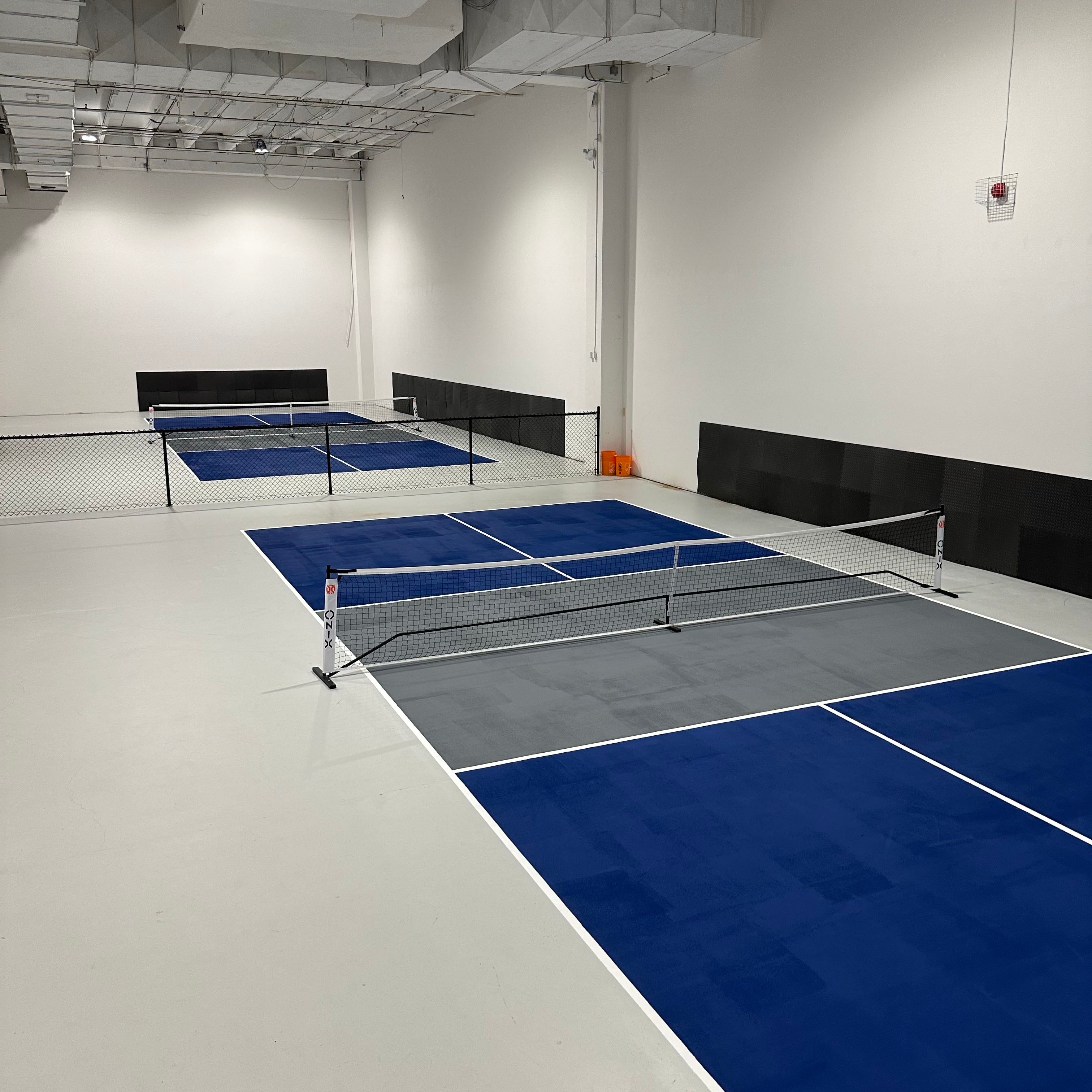
Most pickleball courts have a base of concrete or asphalt. Then, they often add an acrylic top layer. This combination gives a good bounce and grip. It also lasts a long time.
Concrete courts are very durable and give a good ball bounce. Asphalt courts cost less and are easier on joints. Acrylic coatings improve comfort and ball control. Other options like post-tension concrete and modular tiles fit special needs.
Think about your needs and budget before choosing. A good court surface helps you enjoy pickleball more. It also keeps you safe while playing.
Credit: slipdoctors.com
Final Thoughts
Pickleball courts use many materials. Each has its own benefits. The best court depends on how you play and where you play. Concrete and asphalt are the most common bases. Acrylic coatings make the court better for players.
Now, you know what pickleball courts are made of. This will help you understand the sport better. Whether you want to build a court or just play, knowing the surface is key.
Enjoy your pickleball games on the right court!
Frequently Asked Questions
What Is The Best Surface For A Pickleball Court?
The best surface for a pickleball court is acrylic-coated concrete or asphalt. These offer durability, consistent bounce, and excellent grip. Post-tensioned concrete provides premium performance and longevity. Asphalt is budget-friendly and easier on joints but needs more maintenance. Acrylic layers enhance comfort and ball speed.
What Is The Floor Of A Pickleball Court Made Of?
The floor of a pickleball court is usually made of concrete or asphalt. Acrylic coatings improve grip and durability. Post-tensioned concrete offers premium performance. Indoor courts may use wood or synthetic flooring. Modular tiles provide cushioning and versatility for indoor or outdoor play.
What Is The Material For A Pickleball Court?
Pickleball courts use acrylic-coated concrete or asphalt bases for durability and consistent bounce. Post-tensioned concrete offers premium performance. Indoor courts may use synthetic or wood flooring. Modular tiles provide cushioning and versatility for recreational play. Acrylic surfaces enhance grip and ball speed.
What Is The Coating On A Pickleball Court?
The coating on a pickleball court is typically acrylic paint applied over concrete or asphalt. It offers durability, grip, and consistent ball bounce. This layer enhances shock absorption and player comfort, making it ideal for both recreational and professional play.
Acrylic coatings resist wear and weather effectively.