
We hear about rules every day. But what are rules for? Why do we need them? This article explains the meaning of rules. It also talks about laws and regulations. You will learn how they help us live together safely and happily.
What Are Rules?
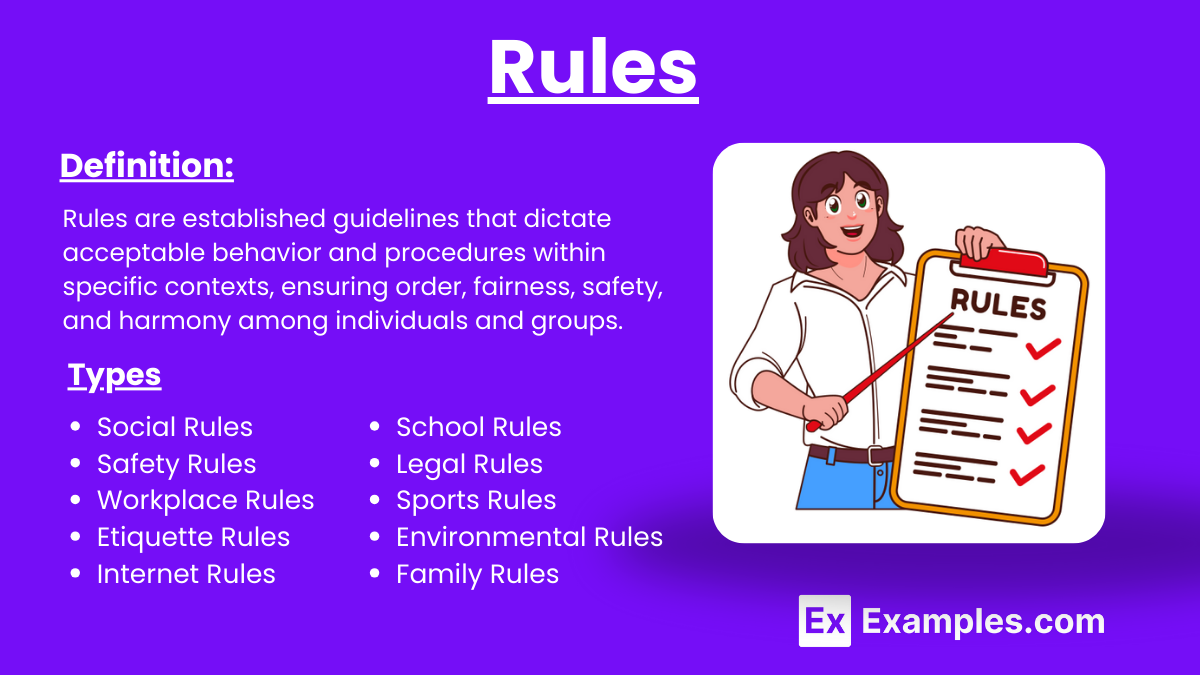
Rules are guidelines. They tell us what we should or should not do. Rules help groups of people work well together. For example, your family may have rules about bedtime or chores. Your school has rules for behavior in class. Rules keep things fair and safe.
Here are some examples of simple rules:
- Brush your teeth before bed.
- Do not litter on the street.
- Be kind to others.
- Raise your hand before speaking in class.
What Are Laws?
Laws are rules too, but they are made by the government. They apply to everyone in a country or state. Laws help keep people safe and protect their rights. If someone breaks a law, they may get a punishment.
For example, there is a law that says no one can drive a car without a license. This law helps keep roads safe. Another law says people cannot steal things. This protects people’s property.
What Are Regulations?
Regulations are special rules made by government agencies. They explain how to follow laws in detail. Regulations often cover technical or specific things. They help people understand what the law means.
For example, there is a law about clean water. A government agency can make a regulation about how much pollution is allowed in rivers. This tells factories exactly what they can and cannot do.
Credit: www.hhzfamilylaw.com
Difference Between Rules, Laws, and Regulations
| Type | Who Makes Them? | Who Must Follow? | Purpose | Example |
|---|---|---|---|---|
| Rules | Small groups like families or schools | Members of the group | Guide behavior within the group | Do homework before playing |
| Laws | Government (like Congress or state legislature) | Everyone in the country or state | Protect safety and rights | No stealing |
| Regulations | Government agencies | Specific industries or groups | Explain how to follow laws | Limits on factory pollution |
Why Do We Need Rules?
Rules help us live together peacefully. Imagine a world with no rules. People would do whatever they want. It would be hard to stay safe. Everyone could feel worried or scared.
Rules make sure things are fair. They help us know what is right and wrong. They also keep places clean and healthy. For example, rules stop people from throwing trash on the street.
How Do Rules Affect Kids?
Kids have many rules. These help them learn and grow. Parents make rules to keep kids safe. Schools have rules to help students learn better.
Some common rules for kids are:
- Do your homework every day.
- Listen to your teachers.
- Do not run in the hallways.
- Be polite to others.
Following these rules helps kids develop good habits. It also helps them make friends and do well in school.
How Do Laws Protect Us?
Laws protect our rights. They tell us what we can and cannot do. Laws stop people from hurting others. They also help solve problems when people fight.
For example, there are laws about driving. These laws keep roads safe for everyone. There are laws about school too. They make sure all kids can go to school.
How Do Regulations Work?
Regulations help make laws clear. They give rules that are easy to understand. They tell people how to do things right.
For example, a law might say factories cannot pollute water. A regulation will say how much pollution is allowed. It also says how to check if factories follow this rule.
Credit: www.examples.com
Who Makes Rules, Laws, and Regulations?
Different people make these rules. Families and groups make simple rules. Governments make laws. They pass laws in meetings called legislatures. Agencies make regulations. They work for the government and know special details.
What Happens If You Break a Rule or Law?
If you break a simple rule at home or school, you may get a small punishment. For example, no TV time or a warning.
If you break a law, the punishment can be bigger. You might have to pay money or go to court. Laws are more serious than simple rules.
Examples of Rules, Laws, and Regulations in Real Life
| Type | Example | Why Important? |
|---|---|---|
| Rule | Do not run in the school hallway. | Prevents accidents and keeps students safe. |
| Law | No stealing from others. | Protects people’s belongings and promotes trust. |
| Regulation | Factories must limit smoke pollution to certain levels. | Keeps the air clean and protects health. |
Summary
Rules, laws, and regulations guide our behavior. They help us live safely and fairly. Rules are made by small groups. Laws are made by governments and apply to everyone. Regulations explain how to follow laws.
We need these guidelines to keep order. They protect our rights and safety. Following them makes life better for all of us.
Frequently Asked Questions
What Are The Rules And Laws For Kids?
Kids must follow laws that protect their safety and rights, like traffic and school rules. Families set additional rules at home. Laws apply to everyone, while rules guide behavior in smaller groups. Breaking laws can lead to penalties, ensuring children learn responsibility and respect.
What Are The 35 Rules?
The 35 rules are dating guidelines from the book “The Rules. ” They advise on behavior, communication, and dating etiquette to attract lasting relationships.
What Is True About Rules And Regulations?
Rules and regulations guide behavior and ensure order. Laws apply broadly, while regulations detail and enforce laws. Rules are specific guidelines within regulations. All are enforceable and maintain safety and fairness in society.
What Is The Difference Between A Law And A Rule?
A law is a formal legal rule made by government and applies to everyone. A rule is a guideline set by smaller groups like families or clubs. Laws have broader authority and penalties, while rules govern specific behaviors within limited settings.