
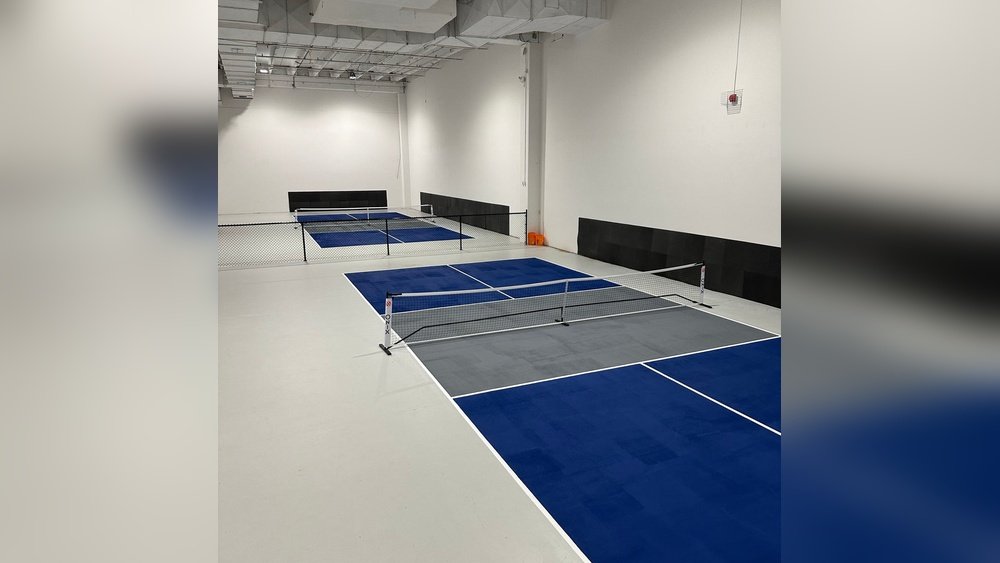
Pickleball is a fun sport played by many people. But have you ever wondered what a pickleball court is made of? The court’s surface is very important. It affects how the ball bounces and how players move. Let’s learn about the materials used for pickleball courts.
Why Does the Court Material Matter?
The court surface changes how the ball bounces. It also affects player safety and comfort. Some surfaces are hard and fast. Others are soft and slow. Choosing the right material helps players enjoy the game more.
Main Types of Pickleball Court Surfaces
There are several types of surfaces used for pickleball courts. Each has its own pros and cons. The most common materials are:
- Acrylic over concrete or asphalt
- Synthetic turf
- Asphalt alone
- Clay
- Modular tiles
Acrylic Over Concrete Or Asphalt
This is the most popular choice. It is often called the best surface for pickleball. Why? Because it offers a smooth, even bounce for the ball. The base is either concrete or asphalt. Then, a special acrylic coating is added on top.
Advantages of Acrylic over Concrete or Asphalt:
- Consistent and predictable ball bounce
- Good traction for players
- Durable and long-lasting
- Great for competitive and recreational play
Disadvantages:
- Can be hard on the joints
- Concrete is durable but may crack over time
- Asphalt may crack more often than concrete
Synthetic Turf
Synthetic turf is a newer option. It looks like grass but is made from plastic fibers. It offers a softer surface than acrylic courts. This can be easier on your knees and feet.
Advantages of Synthetic Turf:
- Soft and comfortable to play on
- Reduces risk of injury
- Durable and weatherproof
- Needs little maintenance
Disadvantages:
- Ball bounce can be less consistent
- More expensive than some other surfaces
- Less common than acrylic courts
Asphalt Alone
Some courts are just asphalt without acrylic. Asphalt is cheaper to build. But it can crack and wear down faster than concrete. Asphalt courts may need more repairs.
Advantages:
- Cost-effective
- Good for recreational play
Disadvantages:
- More prone to cracks
- May need resurfacing often
- Ball bounce less smooth than acrylic courts
Clay Courts
Clay is less common for pickleball. It is used more in tennis. Clay courts give a slower game because the ball does not bounce high. Some players like it, but many do not.
Advantages:
- Offers a different playing style
- Soft surface
Disadvantages:
- Not many pickleball players prefer clay
- Ball bounce is uneven
- Needs more upkeep
Modular Tiles
Modular tiles are plastic pieces that fit together. They can be used indoors or outdoors. Tiles have small holes to drain water. They offer good traction and bounce.
Advantages:
- Easy to install
- Good drainage
- Durable
- Works indoors and outdoors
Disadvantages:
- Can be expensive
- Not as common as acrylic courts
Comparison Table of Pickleball Court Materials
| Surface Type | Ball Bounce | Player Comfort | Durability | Maintenance | Cost |
|---|---|---|---|---|---|
| Acrylic over Concrete | Consistent and true | Hard on joints | Very durable | Low to moderate | Moderate to high |
| Synthetic Turf | Less consistent | Soft and forgiving | Durable | Low | High |
| Asphalt | Less smooth | Hard surface | Moderate | High (due to cracks) | Low |
| Clay | Uneven | Soft surface | Low | High | Moderate |
| Modular Tiles | Good | Moderate | Durable | Low | High |
How is a Pickleball Court Built?
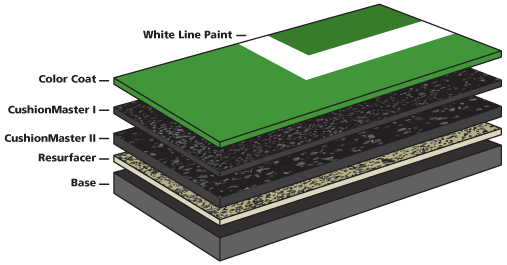
First, the ground is prepared. It needs to be flat and smooth. Then, a base layer of concrete or asphalt is poured. This takes time to dry and harden.
After the base is ready, the acrylic layers are added. These layers give color and texture. The surface is often rough to help players not slip.
If using synthetic turf, the turf is rolled out on the base. It is fixed tightly so it does not move. Sometimes, sand is added under the turf for extra support.
Modular tiles are snapped together on the base. This can be done quickly. The tiles have a textured surface for grip.

Credit: www.sportsimports.com
Choosing the Best Surface for You
Think about how you will use the court. Will you play often? Is the court for fun or competition? Do you have joint problems? These questions help decide the best surface.
If you want a court for serious games, acrylic over concrete is ideal. It gives the best bounce and grip. But it can be hard on knees.
If you want a soft surface that is easier on your body, choose synthetic turf. It is gentle and reduces pain in joints.
If you want a low-cost option, asphalt is a good choice. Just remember it may need repairs.
Modular tiles work well if you want a quick install and good drainage. Clay courts are less common but provide a unique feel.
Credit: www.sportmaster.net
Frequently Asked Questions
What Is The Best Surface For A Pickleball Court?
The best pickleball court surface is acrylic over concrete or asphalt. It offers consistent bounce, durability, and excellent traction. Synthetic turf suits recreational players seeking a softer, joint-friendly surface. Both options provide good weather resistance and low maintenance, catering to different playing styles and preferences.
What Is The Floor Of A Pickleball Court Made Of?
The floor of a pickleball court is usually made of concrete or asphalt with an acrylic overlay. This surface ensures consistent ball bounce and good traction. Synthetic turf is another option, offering a softer, joint-friendly playing experience. Modular tiles and clay are less common alternatives.
What Is The Cheapest Surface For A Pickleball Court?
The cheapest surface for a pickleball court is asphalt. It offers affordability but may crack and need frequent resurfacing. Asphalt provides decent traction and ball bounce, making it a budget-friendly choice for recreational play.
What’s The Average Cost To Build A Pickleball Court?
The average cost to build a pickleball court ranges from $15,000 to $30,000. Costs depend on surface type, size, and location. Acrylic hard courts typically cost more, while asphalt courts offer a budget-friendly option. Additional expenses include fencing, lighting, and site preparation.
Conclusion
Pickleball courts can be made from many materials. The most common are acrylic over concrete or asphalt and synthetic turf. Each surface changes how the game feels.
Hard surfaces give a fast, predictable bounce. Soft surfaces are easier on the body. Think about your needs before choosing a court surface.
Now you know what pickleball courts are made of. Next time you play, you can notice the surface beneath your feet!