
Pickleball is a fun sport played by many people. The ball is very important in the game. But what is a pickleball made of? Let’s learn about the materials and how these balls are made.
What Makes a Pickleball Different?
Some people think a pickleball is like a wiffle ball. But they are not the same. The original pickleball was played with a wiffle ball. Today’s pickleballs are made in a special way. They are stronger and made for pickleball games.
| Feature | Pickleball | Wiffle Ball |
|---|---|---|
| Holes | Round and evenly spaced on the whole ball | Oblong and only on one side |
| Material | Durable, high-impact plastic | Lightweight plastic |
| Weight (ounces) | About 0.88 | About 0.7 |
| Purpose | For the sport of pickleball | For the sport of wiffle ball |
What Are Pickleballs Made Of?
Pickleballs are made from plastic. Not just any plastic, but special types called polymers. The two main types are polyethylene and polypropylene. These plastics make the ball strong and light.
Here is what these plastics do:
- Polyethylene: This plastic is tough. It helps the ball last a long time.
- Polypropylene: This plastic is also strong but a bit more flexible. It helps the ball bounce well.
How Are Pickleballs Made?
There are two main ways to make pickleballs. These are called rotational molding and injection molding. Both ways use plastic, but the process is different.
Rotational Molding
In this method, plastic powder goes into a hollow mold. The mold turns slowly while it heats. The plastic melts and sticks to the mold’s inside. When cooled, the ball shell is ready.
This way makes a hollow ball with smooth walls. It is light and strong. Many pickleballs are made this way.
Injection Molding
Here, melted plastic is pushed into a mold. The mold has the shape of the ball. The plastic cools fast and hardens. Then the ball is taken out and finished.
Injection molding makes balls with very exact shapes. It can be faster for big batches.
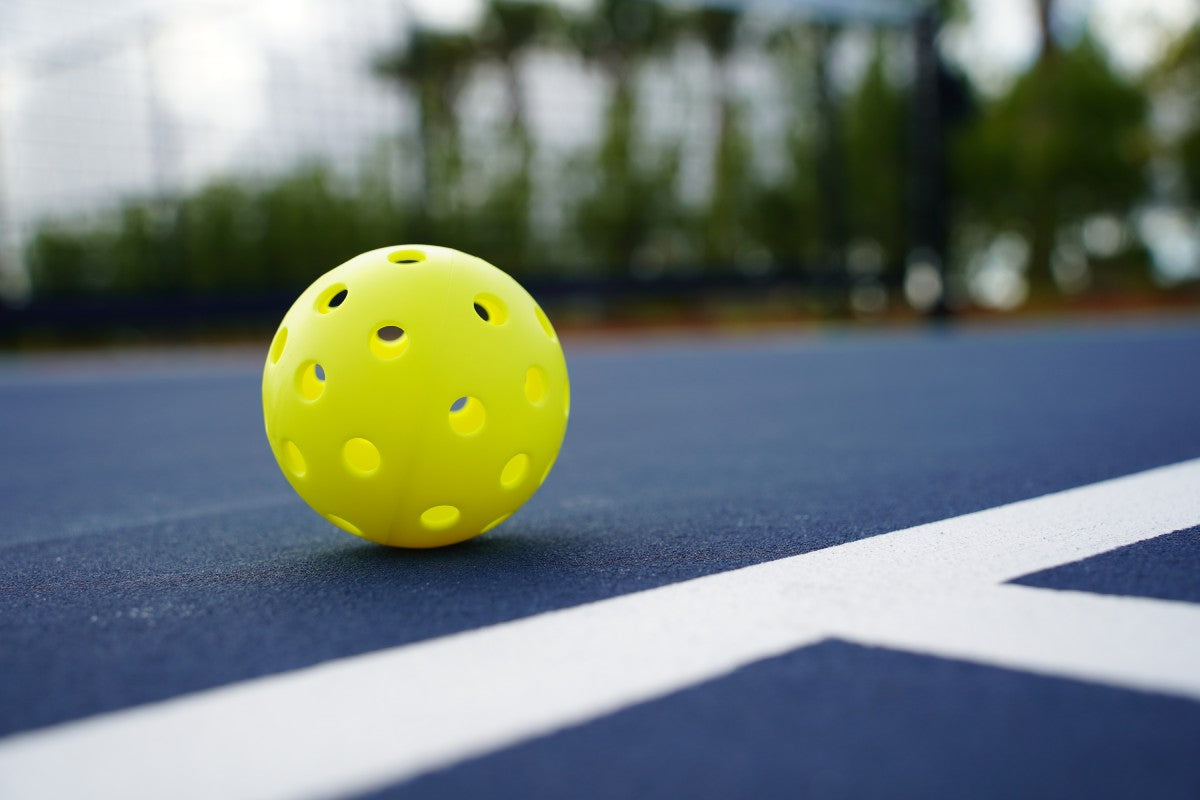
Credit: pickleballsuperstore.com
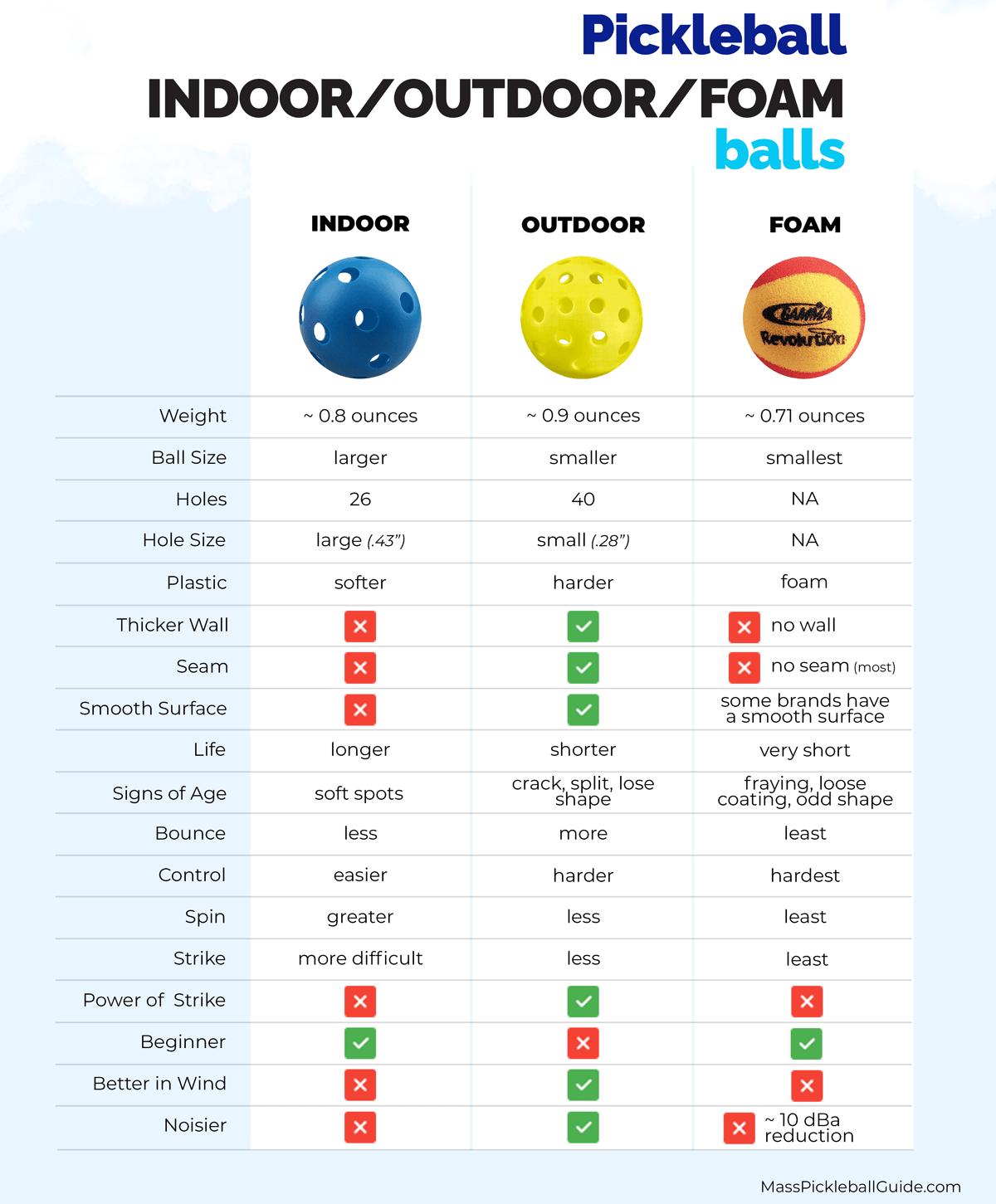
Credit: masspickleballguide.com
The Holes on the Pickleball
Pickleballs have many holes. These holes are round and spread evenly. Why? To help the ball move through the air better.
The holes reduce air resistance. This makes the ball fly smoothly. The size and number of holes affect how the ball moves.
Here are some facts about the holes:
- The balls usually have 26 to 40 holes.
- Holes are the same size and shape.
- They help the ball slow down after hitting the paddle.
Pickleball Size and Weight
Pickleballs are about 2.87 inches wide. They weigh close to 0.88 ounces. These sizes are important to keep the game fair.
If the ball is too light, it can fly too fast. If it is too heavy, it can be hard to hit. The size and weight also affect how the ball bounces.
Why is Plastic Used for Pickleballs?
Plastic is the best choice for pickleballs. Here is why:
- Durability: Plastic balls last long even if hit hard.
- Lightweight: Plastic is light, so the ball is easy to hit.
- Weather-resistant: Plastic balls work well inside and outside.
- Cost-effective: Plastic balls are cheaper to make.
How is a Pickleball Different from a Tennis Ball?
Tennis balls are made of rubber and covered with felt. Pickleballs are hollow plastic balls with holes. This makes pickleballs lighter and slower.
Tennis balls bounce higher. Pickleballs bounce less but are easier to control. The difference in material changes how the ball behaves on court.
Types of Pickleballs
There are two main types of pickleballs:
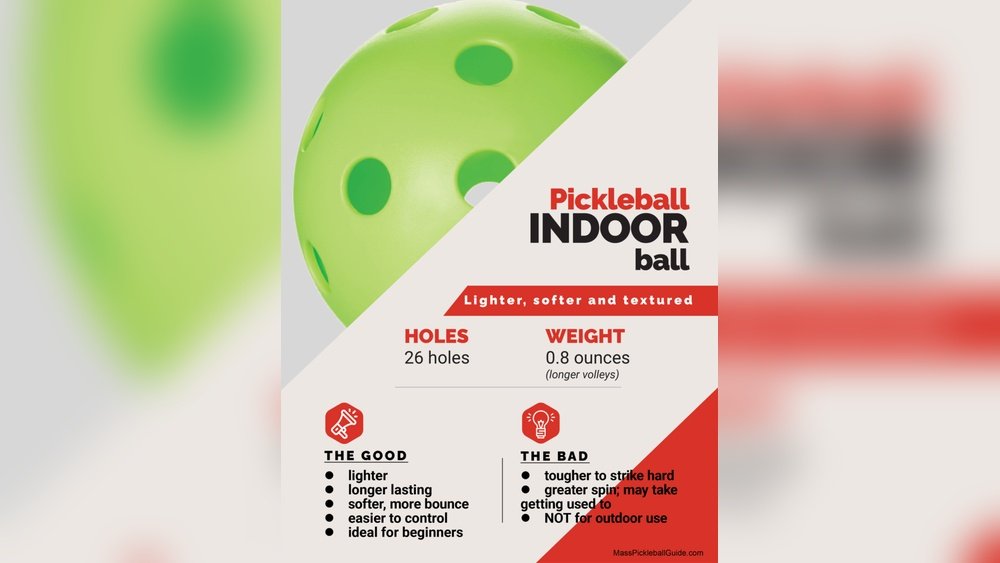
- Indoor Pickleballs: These balls have bigger holes. They are lighter and slower.
- Outdoor Pickleballs: These balls have smaller holes. They are heavier and can handle wind better.
Choosing the right ball depends on where you play. Indoor balls help you play well inside. Outdoor balls work best outside.
Summary
Pickleballs are made of special plastic called polymers. These plastics make the balls strong and light. The balls have many round holes that help them move in the air. They weigh about 0.88 ounces and are around 2.87 inches wide.
Pickleballs are not the same as wiffle balls or tennis balls. They are made just for pickleball sports. The two main ways to make them are rotational molding and injection molding. Both create hollow plastic balls with holes.
Different balls exist for indoor and outdoor play. Indoor balls have bigger holes and are lighter. Outdoor balls have smaller holes and are heavier.
Understanding what a pickleball is made of helps players choose the right ball. It also shows how much thought goes into making this simple but important ball.
Frequently Asked Questions
What Material Is Pickleball Made Of?
Pickleballs are made from durable plastic polymers like polyethylene or polypropylene. They feature evenly spaced round holes for consistent flight and durability on the court. This high-impact plastic ensures long-lasting performance in the sport of pickleball.
Are Pickle Balls And Wiffle Balls The Same Thing?
No, pickleballs and wiffle balls are different. Pickleballs have round, evenly spaced holes and are heavier. Wiffle balls have oblong holes on one side and are lighter. Pickleballs use durable, high-impact plastic for paddle sports; wiffle balls use lightweight plastic for batting games.
Is A Pickleball Heavier Than A Tennis Ball?
A pickleball weighs between 0. 78 to 0. 935 ounces, making it slightly lighter than a tennis ball. Tennis balls typically weigh about 2 ounces. Pickleballs are made of durable plastic, while tennis balls are felt-covered rubber, contributing to the weight difference.
Are Pickleballs Plastic Or Rubber?
Pickleballs are made from durable, high-impact plastic polymers like polyethylene or polypropylene. They are not made of rubber. These plastics provide strength, responsiveness, and longevity for consistent play. Unlike rubber balls, pickleballs feature round, evenly spaced holes for optimal flight and control on the court.