
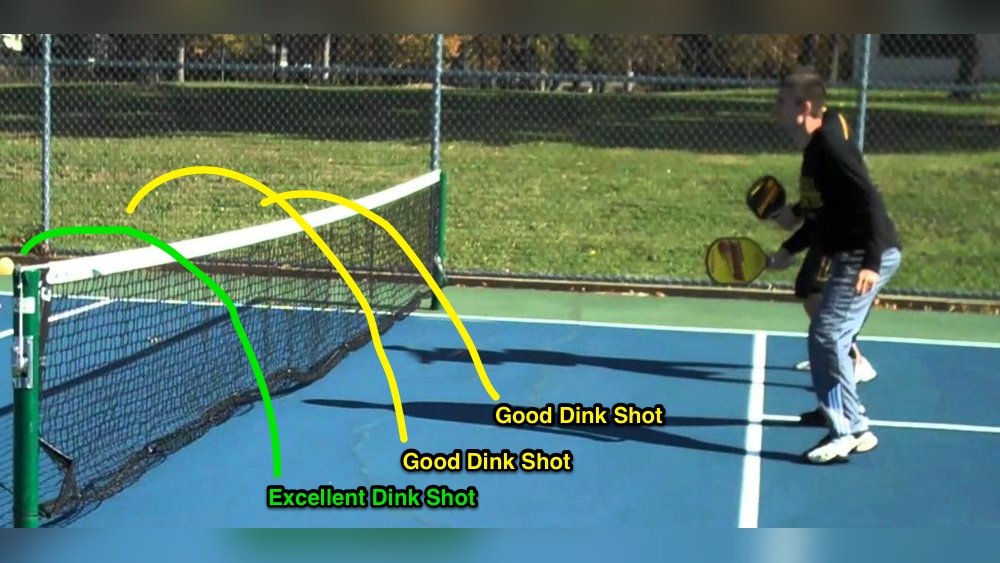
Pickleball is a fun sport. It mixes tennis, badminton, and ping-pong. Many people play it today. If you want to get better, you must know about the “dink.”
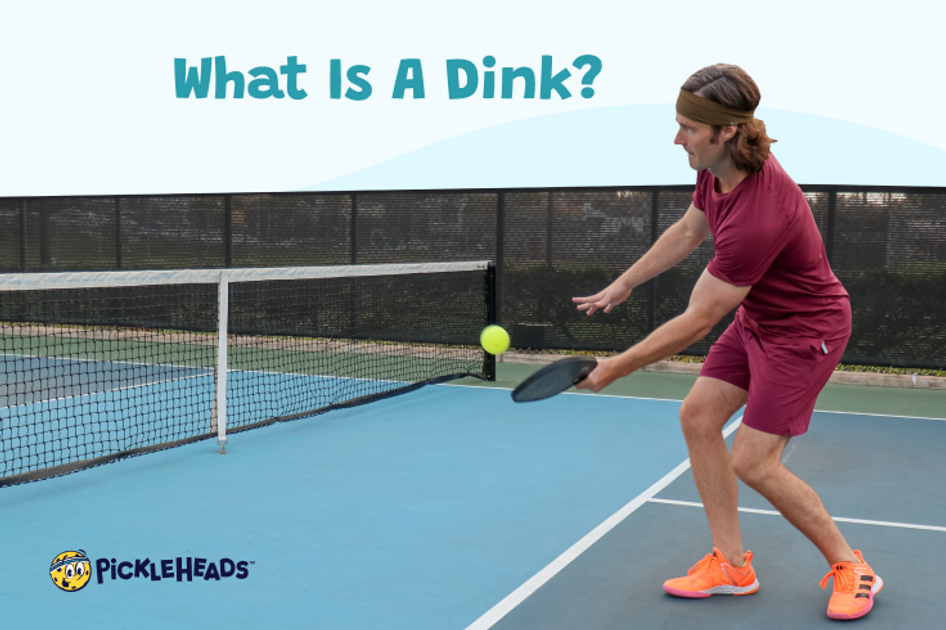
Credit: www.pickleheads.com
What Does “Dink” Mean in Pickleball?
The dink is a special type of shot. It is soft and slow. Players hit the ball gently, so it just goes over the net. The ball lands near the kitchen line. The kitchen is the area close to the net.
When you dink, you do not hit hard. The goal is to make your opponent work hard to return the ball. A good dink makes the other player move and think.
Why Is It Called a “Dink”?
The name “dink” comes from the sound the ball makes. When hit softly, it sounds like a “ding” or “dink.”
- In tennis, “dink” means a soft shot.
- In pickleball, it is the same idea: a gentle, soft hit.
- The word fits well because it shows how careful and small the hit is.
So, the dink is all about soft control, not power.
Where Do You Use a Dink in Pickleball?
You usually dink near the kitchen. The kitchen is also called the non-volley zone. It is the area 7 feet from the net on each side. You cannot hit the ball in the air here.
Dinking is a way to keep the ball low. This makes it hard for your opponent to smash or hit hard. The ball stays close to the net and moves slowly.
This shot is important because it changes the game pace. Instead of fast hits, you use soft shots.
How to Make a Good Dink Shot?
Making a dink takes practice. Here are simple steps:
- Hold your paddle gently but firmly.
- Stand close to the kitchen line.
- Watch the ball carefully.
- Use a soft, short swing.
- Hit the ball just enough to clear the net.
- Aim to land the ball inside the kitchen on the other side.
Remember, the ball must not bounce twice on your side. You want to control the ball softly.
Why Is Dinking Important?
Dinking is key to winning many points. It helps in several ways:
- Control the Game: It slows the game. You decide the ball speed.
- Force Mistakes: Your opponent may hit the ball into the net or out of bounds.
- Create Openings: You can move your opponent out of place. Then hit the ball to a free spot.
- Reset Play: When you are in a bad spot, dinking helps you get back.
- Prevent Power Shots: It stops strong smashes. The ball stays low.
Dinking turns pickleball into a smart game. You use skill, not just strength.
Types of Dinks
There are many ways to dink. Here are some common types:
| Type | Description | Use |
|---|---|---|
| Soft Dink | Very gentle tap over the net. | To keep the ball low and close. |
| Cross-court Dink | Ball goes diagonally across the court. | To make opponent move sideways. |
| Drop Dink | Ball barely clears the net and drops fast. | To surprise the opponent and win the point. |
| Fake Dink | Pretend to dink but then hit a stronger shot. | To trick the opponent. |
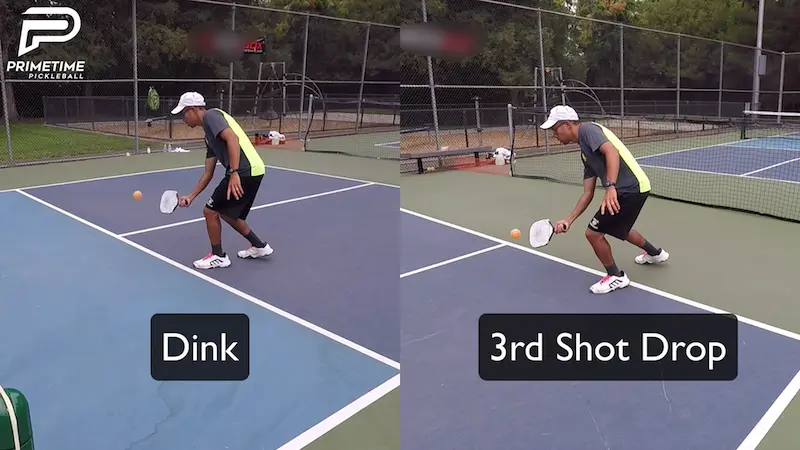
Credit: primetimepickleball.com
When Should You Use Dinks?
Dinks are best when the ball is near the net. Also, when you want to slow down the play.
If your opponent is strong in hitting, dinks can help you avoid hard returns. You want to control the point carefully.
Try dinking when you want to stay close to the kitchen line and keep the ball low.
How to Practice Dinking?
Practice is key to good dinking. Here are some tips:
- Practice with a partner near the net.
- Focus on soft, controlled hits.
- Try to land the ball inside the kitchen.
- Use drills to improve accuracy.
- Practice moving quickly after each dink.
With time, your dinks will be more precise and useful.
Common Mistakes in Dinking
Many beginners make mistakes. Watch out for these:
- Hitting too hard. The ball goes out or too far.
- Standing too far from the kitchen line.
- Not watching the ball closely.
- Missing the soft touch needed.
- Not moving after the shot.
Fix these to improve your dinking game.
Summary
The dink is a soft, gentle shot in pickleball. It is used near the kitchen line. The goal is to keep the ball low and slow. This forces the opponent to make a hard return.
Dinking helps control the game pace. It creates chances to win points with skill. Learning to dink well makes pickleball more fun and strategic.
Practice your dinks often. Use soft touches and good aim. Soon, you will see better results in your games.
Frequently Asked Questions
What Is Considered A Dink In Pickleball?
A dink in pickleball is a soft, controlled shot tapped gently over the net near the kitchen line. It aims to force a difficult return by keeping the ball low and precise. Dinking helps control the game pace and creates strategic opportunities.
Why Is Pickleball Called Dink?
Pickleball calls a soft, controlled shot near the net a “dink” due to its delicate tap sound. It combines tennis’s “dink” term with the soft “ding” noise from the ball. This name highlights the shot’s gentle, precise nature, essential for strategic play in the kitchen area.
What Is The Point Of Dinking In Pickleball?
Dinking in pickleball controls the game’s pace and forces opponents into difficult returns. It creates offensive openings by moving them out of position. This soft shot neutralizes power, turning play into a strategic battle of finesse near the net.
What Is The Most Difficult Shot In Pickleball?
The most difficult shot in pickleball is the dink. It requires soft, precise control near the kitchen line. Mastering dinks forces opponents into tough returns. This shot demands excellent touch and patience, making it challenging to execute consistently under pressure.