
As an Amazon Associate, I earn from qualifying purchases.
Every single time I step onto the local courts, players pull me aside to ask the exact same question. They desperately want to know which type of pickleball paddle is the best for their specific style of play. The honest truth is that the right option depends entirely on your power and control preferences. Let me break down the core materials and shapes so you can confidently dominate your next match.
1. TENVINA Pickleball Paddles, Multi-Layer T700SC Textured Carbon Fiber
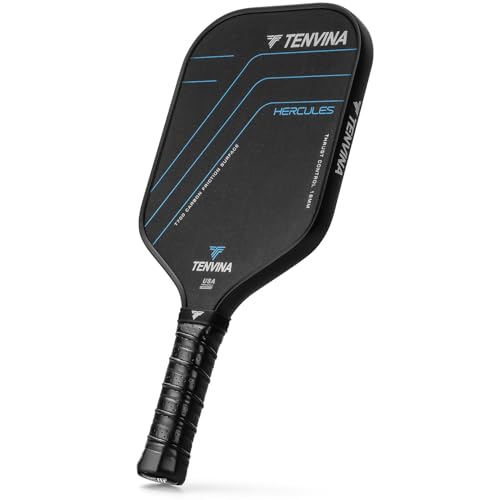
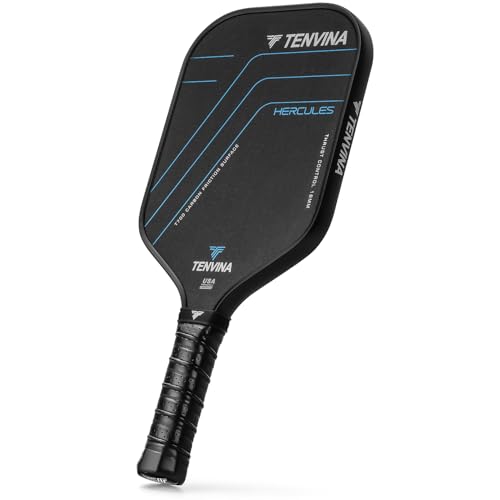
From a structural engineering perspective, this option showcases impressive material optimization. The multi-layer T700SC carbon fiber face is manufactured using Dry Jet-Wet Spinning technology, which aligns the carbon fibers uniformly to maximize energy transfer. This advanced layering eliminates the structural dead spots common in cheaply constructed entry-level equipment.
MY TESTING EXPERIENCE: When I took this paddle to the courts, I immediately noticed how the matte-textured carbon surface gripped the ball during cut shots. The sweet spot on the 16mm core felt remarkably stable, absorbing heavy baseline drives without twisting in my hand. I also appreciated that the synthetic leather grip remained secure during a sweaty two-hour morning session.
Key Specs: Weight: ~8.0 oz | Core: 13mm or 16mm Polymer Honeycomb | Face: Multi-Layer T700SC Carbon Fiber
WHO IT’S FOR: Developing intermediate players who want high-friction, raw carbon performance to improve their spin game without paying high premium brand markups.
2. MTEN Pickleball Paddles Set of 2, USAPA Approved Fiberglass Set
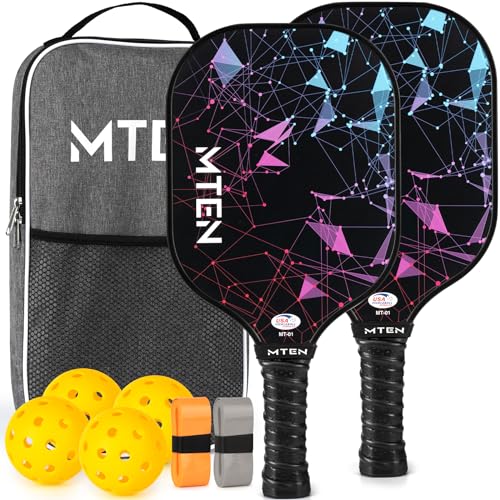
Hands-on testing reveals that this set focuses heavily on delivering extra power right out of the box. The fiberglass face acts like a spring, launching the ball deep into the opponent’s court with minimal physical effort. While fiberglass offers less raw friction than textured carbon fiber, it provides a highly responsive feel that helps beginners clear the transition zone.
MY TESTING EXPERIENCE: During outdoor testing on windy courts, I noticed the extra pop of the fiberglass face helped keep my deep returns low and fast. The 4.57-inch grip circumference allowed plenty of room for maximum wrist snap, which I used to execute quick overhead slams. The vibration-dampening core kept my forearm comfortable through multiple consecutive games.
Key Specs: Weight: 7.78 – 7.8 oz | Core: Polypropylene Honeycomb | Face: Fiberglass
WHO IT’S FOR: Recreational beginners and intermediate players who want a lightweight, USAPA-approved set that makes baseline depth effortless.
3. DULCE DOM Pickleball Paddles, USAPA Approved Lightweight Set
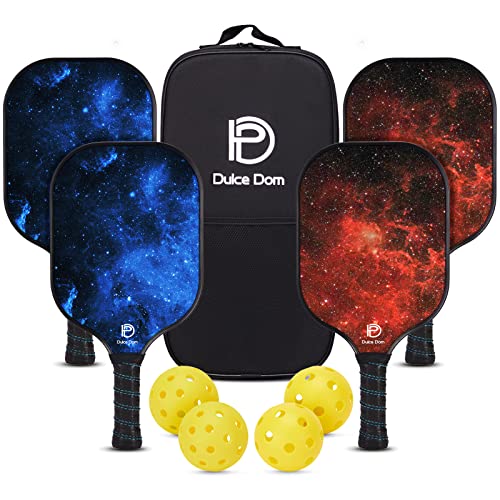
The common problem of high entry costs keeps many families from enjoying the sport together, but this wood set offers a highly durable solution. By utilizing a heavy-duty 9-ply basswood face and reinforcing the edges with a protective rubber bumper, these paddles are virtually indestructible. They easily survive the drops, scrapes, and court-striking incidents typical of backyard games.
MY TESTING EXPERIENCE: I set these up for a family gathering and observed that even absolute beginners could make consistent contact. At over ten ounces, they are noticeably heavier than composite models, which did tire my wrist during fast kitchen exchanges but made clearing the court easy for younger players. The included sling bag was highly practical for keeping all the gear organized.
Key Specs: Weight: 10.58 oz | Core: 9-Ply Solid Basswood | Face: Basswood
WHO IT’S FOR: Families, community centers, and absolute beginners seeking a highly durable, low-cost starter package to learn the basics.
4. GARYE Pickleball Paddles Set of 2/4, USAPA Approved Carbon Fiber
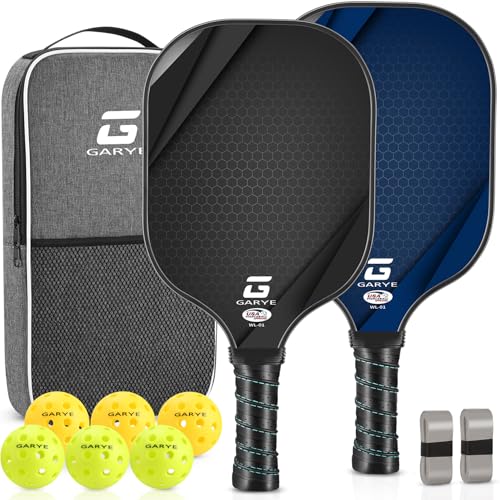
In a market filled with thin budget paddles, this model stands out by offering a thickened 0.69-inch profile paired with a genuine carbon fiber surface. This structural choice directly addresses the harsh vibrations and small sweet spots found in standard entry-level fiberglass paddles. The result is a highly competitive balance of shock absorption and consistent face response.
MY TESTING EXPERIENCE: I compared this option directly to other entry-level sets and immediately felt a massive reduction in handle shock. The ball seemed to dwell on the carbon face a split second longer, allowing me to guide my third-shot drops with much better accuracy. The carrying case and replacement grip tapes included in the box are excellent practical additions.
Key Specs: Weight: 7.7 – 8.1 oz | Core: 0.69″ Polypropylene Honeycomb | Face: Carbon Fiber
WHO IT’S FOR: Budget-conscious intermediates who want a softer, control-oriented feel and a larger sweet spot without crossing the hundred-dollar threshold.
5. CZRR Pickleball Paddle, USA Pickleball Approved, 3K Carbon Fiber
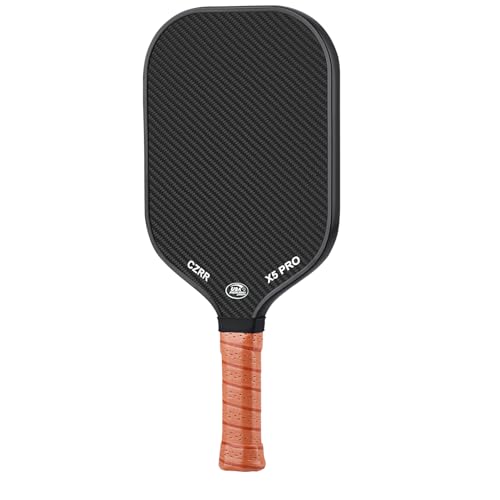
This paddle is engineered for players who require maximum friction to execute aggressive, dipping spin shots. By combining a 3K Raw Carbon Fiber surface with an advanced Carbon Abrasion Surface texture, the face is built to grab the ball’s skin on contact. The 16mm core is designed to maximize energy absorption, providing a highly stable platform for defensive resets.
MY TESTING EXPERIENCE: I tested this paddle during a series of competitive singles matches and found the spin potential to be exceptional. I was able to dip my passing shots right at the feet of oncoming players with high confidence. The extended 5.5-inch handle was a major highlight, giving me ample space for comfortable two-handed backhands.
Key Specs: Weight: 8.0 – 8.5 oz | Core: 16mm Polypropylene Honeycomb | Face: 3K Raw Carbon Fiber
WHO IT’S FOR: Intermediate to advanced tournament players who prioritize spin mechanics, reach, and a comfortable two-handed grip layout.
6. JOOLA Pro V Pickleball Paddle – 14mm/16mm Carbon Fiber
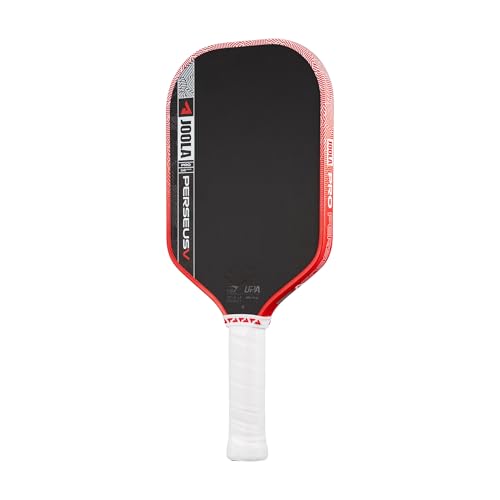
A deep dive into the specifications of this premium model reveals elite kinetic engineering inspired by high-end sports equipment. The specialized frame adapts to your swing, flexing slightly to load energy on drives while remaining stiff and forgiving on soft kitchen dinks. When analyzing which type of pickleball paddle is the best for high-level tournament play, this level of technical optimization is exactly what I look for.
MY TESTING EXPERIENCE: I ran intense drills with this model and found the sweet spot consistency to be unmatched. The raw carbon textured face allowed me to hit sharp, dipping slices that stayed incredibly low over the net. The built-in NFC chip made registering the paddle’s warranty via my smartphone extremely convenient.
Key Specs: Weight: 8.1 oz | Core: Reactive Polymer Core | Face: Textured Raw Carbon Fiber
WHO IT’S FOR: Highly competitive players and tournament participants who demand professional-grade material durability, massive spin potential, and premium structural integrity.
7. DGYGQ Pickleball Paddles – Professional Carbon Fiber Honeycomb Core
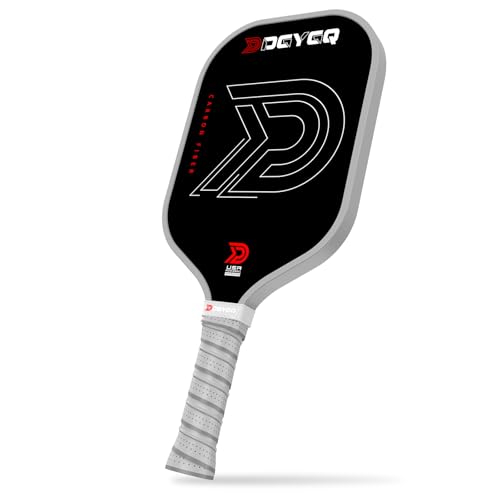
This option focuses on providing a highly accessible pathway for players transitioning from heavy starter wood paddles to lightweight performance carbon. At exactly eight ounces, the frame keeps hand speed exceptionally fast during close-quarters kitchen hand battles. The package also includes a dedicated rubber eraser block, which easily cleans away plastic ball residue from the carbon face to maintain its natural grit.
MY TESTING EXPERIENCE: I used this model during a fast-paced doubles session and appreciated how light it felt on defensive blocks. The 16mm core offered a very soft, cushioned feel that helped me drop fast drives safely back into the kitchen. The grip felt cushioned and comfortable, absorbing sweat well during outdoor play.
Key Specs: Weight: 8.0 oz | Core: 16mm Polypropylene Honeycomb | Face: Carbon Fiber
WHO IT’S FOR: Developing intermediates and players who want an agile, arm-friendly paddle with an included maintenance kit.
8. AOPOUL Pickleball Paddles Set of 4, Wood Cushion Grip
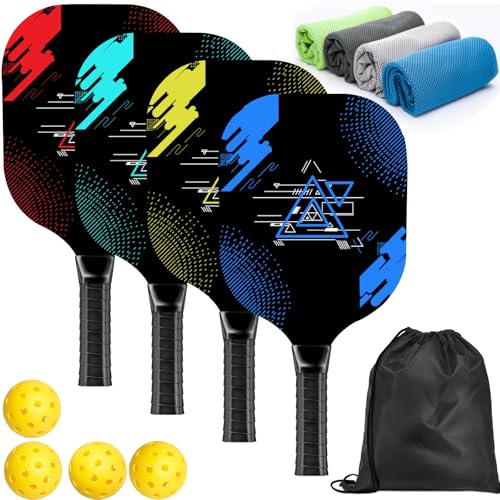
This complete package offers exceptional group value by bundling four durable 9-ply poplar hardwood paddles with cooling towels and outdoor balls. While wood paddles lack the advanced internal honeycomb cores of composite models, they offer excellent structural strength that will not crack or delaminate. The grip wraps are thick and heavily cushioned to absorb the natural stiffness of the wood face.
MY TESTING EXPERIENCE: I tested these in a casual park setting with players of various ages and skill levels. The wide-body face made it incredibly easy for the absolute beginners in our group to make solid contact with the ball. While they are heavy to swing, they stood up perfectly to accidental drops on the asphalt court surface.
Key Specs: Weight: ~10 oz | Core: 9-Ply Poplar Hardwood | Face: Poplar Wood
WHO IT’S FOR: Social groups, physical education programs, and families needing a highly durable, four-person starter set on a tight budget.
9. Franklin Sports FS Tour Series Dynasty Pro 16mm Pickleball Paddle
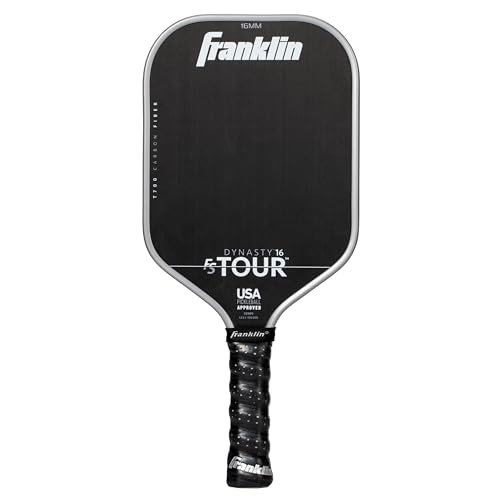
I want to offer a completely honest assessment of this high-performance pro-level paddle. Weighing in at 8.5 to 8.8 ounces, it is significantly heavier than most standard models, which means it requires strong arm and wrist mechanics to swing effectively. However, the one-piece thermoformed carbon frame offers incredible stability, preventing the paddle face from twisting even on off-center hits.
MY TESTING EXPERIENCE: When driving the ball from the baseline, I immediately felt the massive plow-through power this weight provides. My drives had deep, consistent depth, and the premium T700 raw carbon face allowed me to shape my shots with heavy topspin. The foam-injected perimeter completely eliminated edge vibration, though casual players may find it tiring after long sessions.
Key Specs: Weight: 8.5 – 8.8 oz | Core: 16mm Polymer with Foam Perimeter | Face: T700 Raw Carbon Fiber
WHO IT’S FOR: Advanced tournament players (3.5 to 4.5+) with strong wrist mechanics who want maximum stability, baseline power, and exceptional spin control.
10. Pickleball-Paddles-Set of 4 or 2 Rackets by JoncAye USAPA Approved
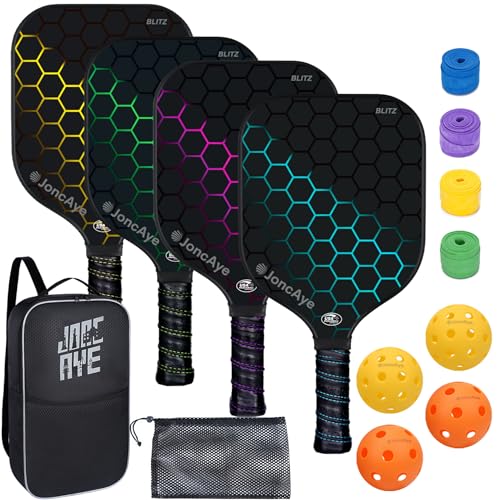
This package focuses on practical, real-world utility by combining tournament-approved fiberglass paddles with noise-dampening polypropylene cores. Many parks and residential courts now enforce strict noise guidelines, and this composite core keeps the striking sound to a quiet thud. The kit also includes adhesive lead weight tapes, allowing players to customize the balance of their paddles as their skills progress.
MY TESTING EXPERIENCE: I took this set to a local neighborhood court that has strict noise rules, and the paddles performed quietly without disturbing nearby residents. The lightweight 8-ounce frame felt highly maneuverable, and my arm felt completely fresh after playing multiple games. The colorful replacement grip tapes came in highly useful when my friends wanted to freshen up their handles.
Key Specs: Weight: 8.0 oz | Core: Polypropylene Honeycomb | Face: Fiberglass
WHO IT’S FOR: Recreational players and families who require a quiet, USAPA-approved set that they can easily customize with weighted tape over time.
Comparing Performance to Find Which Type of Pickleball Paddle Is the Best
When evaluating these paddles side-by-side, the most critical differences emerge in the face materials and core thicknesses. High-end carbon fiber paddles (such as the JOOLA Pro V and CZRR) provide a textured, raw finish that grips the ball’s surface, offering elite spin control that fiberglass and wood simply cannot match. On the other hand, composite fiberglass options (like the MTEN and JoncAye) offer a spring-like rebound effect that makes baseline power much more accessible for beginners who lack fast swing speeds. Wood paddles (like the DULCE DOM and AOPOUL) offer excellent budget durability but lack any internal shock absorption, making them best suited for occasional backyard play rather than competitive court sessions.
Core thickness is another essential differentiator that directly impacts performance. Thicker 16mm cores (found in the Franklin FS Tour and CZRR) excel at dampening vibration and softening the ball’s contact, which is crucial for the delicate dinking games of 3.5 to 4.5+ tournament players. Thinner 13mm or standard composite cores offer faster hand speeds and more immediate power, which helps intermediate players drive the ball deeper. Ultimately, your choice should match your physical comfort level; lighter 8-ounce paddles protect your shoulder over long hours of play, while heavier 8.5-ounce options provide maximum baseline stability at the expense of quick kitchen-line agility.
What Actually Changes as You Spend More on Which Type of Pickleball Paddle Is the Best
When you decide to invest more money into your equipment, the most significant change occurs in the internal construction and face materials. In the lower price tiers, you are generally buying wood or thin fiberglass faces wrapped around basic honeycombs. As you cross into the mid-to-high price ranges, you gain access to premium raw T700 carbon fiber faces and advanced thermoformed edges. This thermoforming process fully wraps the core in carbon fiber, creating a highly durable, single-piece structure that prevents the handle from snapping during aggressive play and drastically expands the usable sweet spot.
However, there is a clear point of diminishing returns. Once you get past the mid-hundred-dollar mark, much of the additional cost is driven by licensing, aesthetic designs, and player sponsorships rather than raw performance gains. While premium models feature USA Pickleball approval labels that are mandatory for official tournament play, a well-engineered mid-range paddle will deliver nearly identical control for the average recreational player. Choosing the cheapest wooden option is a smart trade-off if you only plan to play a few times a year, but it becomes a physical risk for weekly players due to the lack of shock absorption, which can lead to tennis elbow.
Which Tier Fits Your Game
To help you navigate the market, I divide pickleball paddles into three distinct tiers based on player experience and mechanical needs. The budget tier, which includes basic wood and entry-level fiberglass sets under fifty dollars, is the ideal starting point for 2.5 beginners and casual recreational players. If your play is limited to casual backyard games or occasional family outings, these durable options offer plenty of playability without requiring a large financial commitment.
The mid-range tier, spanning from fifty to one hundred dollars, is where the vast majority of 3.0 to 3.5 intermediate players should look. This range offers lightweight composite cores, comfortable ergonomic grip sizes, and highly responsive fiberglass or carbon faces that work beautifully for both indoor precision and outdoor power. Finally, the premium tier over one hundred dollars is reserved for committed 4.0+ tournament players. If you are actively competing in organized leagues, you genuinely benefit from spending up for specialized 16mm raw carbon fiber faces that maximize ball dwell time, enabling the extreme spin and soft control needed to dominate competitive play.
Common Questions About which type of pickleball paddle is the best
How Do I Choose Which Type of Pickleball Paddle Is the Best for Spin?
To maximize spin, you must look for a paddle with a raw, textured carbon fiber face, such as T700 or 3K carbon. This textured surface increases friction, allowing the paddle to grab the ball’s plastic skin on contact and generate heavy topspin or slice. Thicker 16mm cores also assist with spin by increasing the ball’s dwell time on the paddle face.
Does a thicker paddle core provide more power or control?
A thicker core, typically 16mm, provides significantly more control and vibration dampening because it absorbs more energy on contact. Conversely, a thinner core, around 13mm, offers more raw power and faster hand speed because it rebounds the ball more quickly.
Are wood pickleball paddles bad for your elbows?
Yes, wood paddles can contribute to elbow strain if used frequently. Because wood lacks an internal honeycomb core, it cannot absorb shock, transmitting the full force of every hit directly into your wrist and elbow. If you plan to play regularly, upgrading to a lightweight composite paddle is highly recommended.
What is the difference between indoor and outdoor pickleball play requirements?
While the same paddle can be used for both, outdoor play generally benefits from slightly heavier paddles with textured faces to combat wind and harder outdoor balls. Indoor play, which uses softer balls on gym floors, often favors lighter paddles that emphasize quick hand speed and delicate control.
How often should I replace my carbon fiber pickleball paddle?
For the average recreational player, a high-quality carbon fiber paddle will last between one and two years. Over time, the microscopic grit on the face will wear down from repeated ball contact, resulting in a gradual loss of spin potential, even if the structural core remains intact.