

Pickleball is a fun sport played by many people worldwide. It has a special area on the court called the “kitchen.” But why do players call it the kitchen? Let’s explore the story and rules behind this interesting name.
What is the Kitchen in Pickleball?
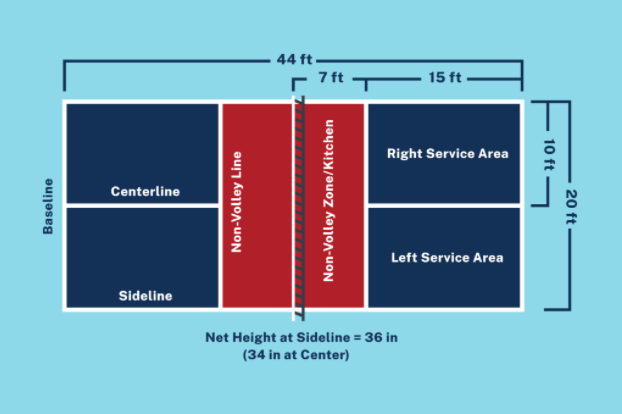
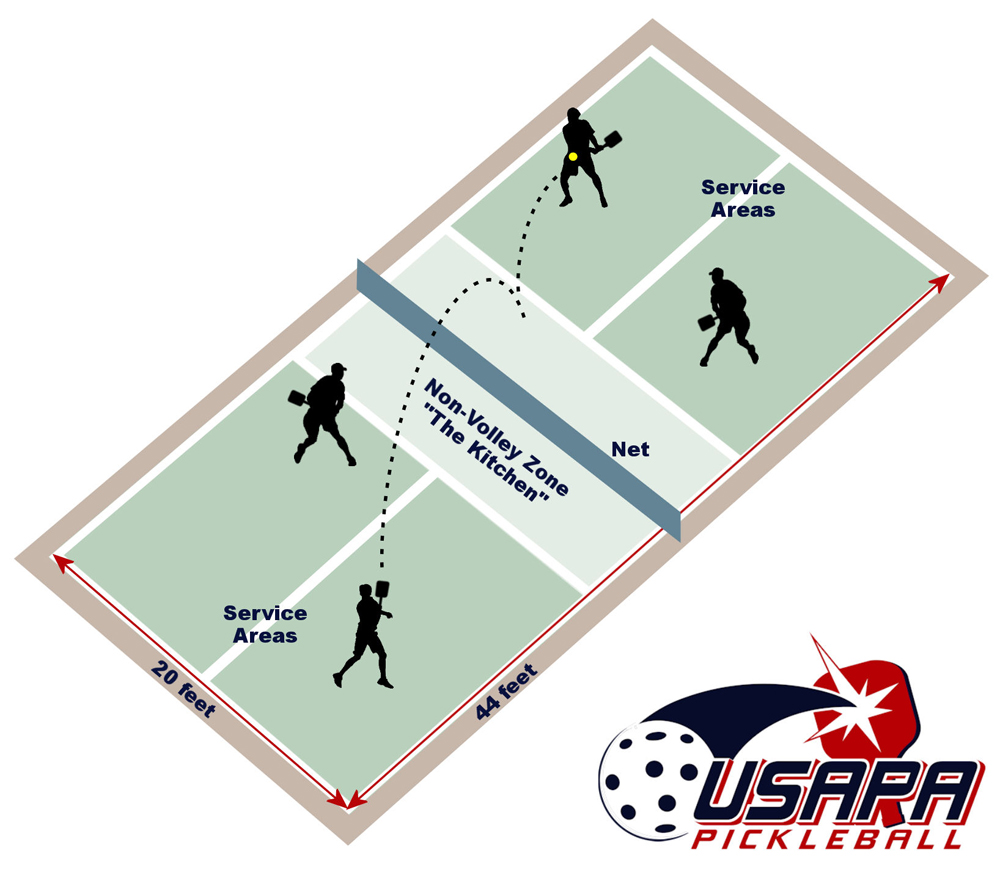
The kitchen is the nickname for the non-volley zone in pickleball. It is a 7-foot area on each side of the net. Players cannot hit the ball in the air while standing in this zone.
This rule helps make the game fair and fun. It stops players from standing close to the net and smashing the ball quickly. Instead, players must let the ball bounce if they are inside the kitchen.
Where Is The Kitchen Located?
The kitchen is right next to the net on both sides of the court. It stretches 7 feet back from the net line. The kitchen includes the lines that mark it, so standing on the line means you are in the kitchen.
Key Rules About The Kitchen
- No volleying: You cannot hit the ball in the air while in the kitchen.
- Ball must bounce: You can only hit the ball if it bounces first while you are in the kitchen.
- Momentum fault: If you hit the ball outside the kitchen but your body moves into the kitchen after, it is a fault.
- Standing in the kitchen: You can stand inside the kitchen, but not hit a volley.
Why is it Called the Kitchen?
No one really knows exactly why pickleball calls this area the kitchen. The name is a fun nickname. It helps players remember the special rules of this zone.
Many people think the term comes from another sport called shuffleboard. In shuffleboard, there is also a “kitchen” area. Landing in the shuffleboard kitchen means a player can lose points.
Pickleball’s kitchen is similar. If a player volleys the ball while standing in the kitchen, it is a fault. This rule stops players from gaining an unfair advantage near the net.
Shuffleboard And Pickleball: The Kitchen Connection
Shuffleboard is a game where players slide discs down a long board. The “kitchen” in shuffleboard is an area where discs are out of play. It is called the kitchen because it is a penalty zone.
Pickleball borrowed this idea. The kitchen in pickleball is a penalty area where certain actions are not allowed. It helps keep the game fair and fun for all players.
Credit: northstateresurfacing.com
How the Kitchen Affects Pickleball Play
The kitchen changes how players play near the net. It makes the game less about power and more about skill and strategy.
Because players cannot volley in the kitchen, they must let the ball bounce. This gives the other player a chance to return the ball. It creates longer rallies and more exciting points.
Players also have to be careful about their body movement. If their momentum carries them into the kitchen after hitting a volley, it is a fault. So, players must control their steps.
Why Do Players Like The Kitchen Rule?
- Keeps the game safe by reducing fast smashes near the net.
- Makes players use better strategy and skill.
- Creates longer and more fun rallies.
- Helps beginners learn and enjoy the game without feeling overwhelmed.
Credit: pickleballcentral.com
Summary of Kitchen Rules in Pickleball
| Rule | What It Means |
|---|---|
| No Volleying in Kitchen | You cannot hit the ball in the air while standing in the kitchen. |
| Ball Must Bounce | If in the kitchen, wait for the ball to bounce before hitting. |
| Momentum Fault | If you hit the ball outside the kitchen but move into it, it is a fault. |
| Kitchen Line Included | Standing on the kitchen line means you are inside the kitchen. |
| Standing Allowed | You can stand in the kitchen but cannot volley the ball. |
Frequently Asked Questions
Who Named The Kitchen In Pickleball?
No one specifically named the “kitchen” in pickleball. The term likely comes from shuffleboard, where “kitchen” means a penalty area. This nickname stuck due to similar fault rules in both games.
What Does “in The Kitchen” Mean In Pickleball?
“In pickleball, ‘in the kitchen’ means standing in the non-volley zone near the net. Players cannot volley the ball here. The kitchen prevents smashes close to the net, ensuring fair play. The term likely comes from shuffleboard, where a similar penalty area is called the ‘kitchen.
‘”
Why Is It Called The Kitchen In?
The “kitchen” in pickleball refers to the non-volley zone near the net. The term likely comes from shuffleboard, where “kitchen” means a penalty area. Players cannot volley while standing in this zone, preventing smashes close to the net and ensuring fair play.
What Does The Kitchen Refer To In Pickleball?
The kitchen in pickleball is the non-volley zone near the net. Players cannot volley the ball here. The term likely comes from shuffleboard, where the “kitchen” area penalizes players. It prevents aggressive net play and promotes fair rallies.
Conclusion
The kitchen in pickleball is a special area near the net with unique rules. It stops players from hitting the ball in the air too close to the net.
The name “kitchen” likely comes from shuffleboard. Both sports use the kitchen to mean a penalty or no-play zone.
This rule helps keep pickleball fair, safe, and fun. It makes players use skill and strategy. The kitchen is an important part of pickleball’s charm and challenge.
Next time you play pickleball, remember the kitchen is not a place for quick smashes. It is a place to play smart and enjoy the game.